How to Prepare for Injuries During Hiking, Camping, and Outdoor Activities
The pleasure of sitting down, enjoying the environment, keeping fit through hiking, taking part in family camping, or exploring unfamiliar areas – all outdoor experiences offer excitement in their own ways.
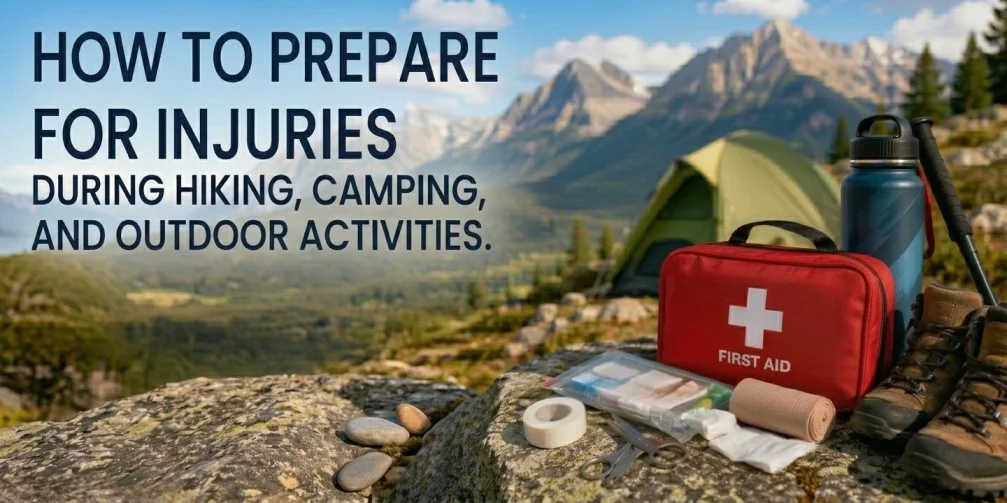
However, there are always inherent risks involved in outdoor environments. You can, for example, fall over an uneven path during hiking; you can injure yourself cutting some meat in a camp; or you could end up getting hurt even taking a stroll.
With Axiostat, we understand the importance of being ready for anything when engaging in outdoor activities. It is vital to know the kind of gear needed, especially if nobody is around to assist you when injuries occur.
Why Injury Preparedness Matters Outdoors
In contrast to accidents in cities or urban environments, outdoor accidents can be very remote from the aid required. Small injuries can turn into major problems if they are not dealt with immediately.
When you are outdoors, you might find yourself facing:
- Minor cuts and wounds
- Skin abrasions
- Sprains from falls
- Burns from campfires or kitchen gear
- Blood loss from wounds
Planning gives you an edge when it comes to managing the situation.
Pack a Well-Equipped First Aid Kit
One of the easiest ways to prepare for outdoor injuries is to carry a first aid kit.
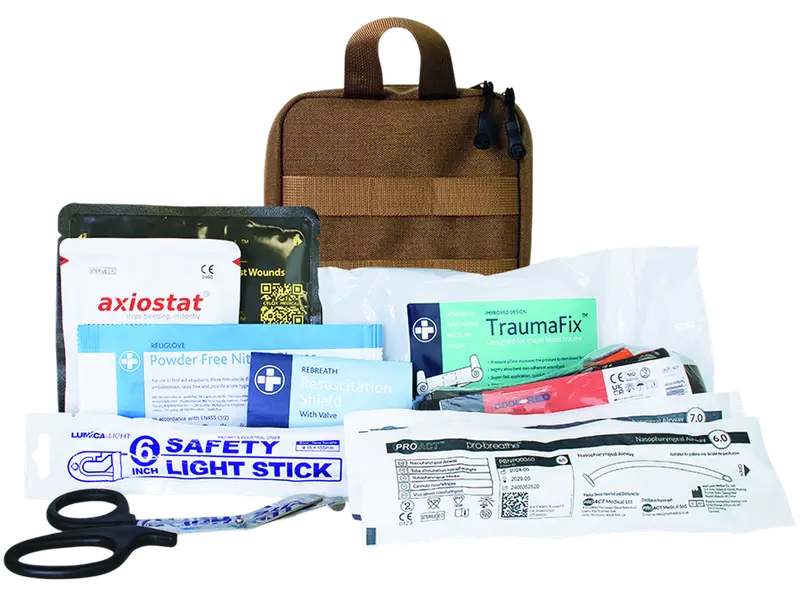
Your outdoor first aid kit should include:
- Adhesive bandages
- Sterile gauze pads
- Antiseptic wipes
- Medical tape
- Tweezers
- Gloves
- Scissors
- Pain relief medication
- Emergency blanket
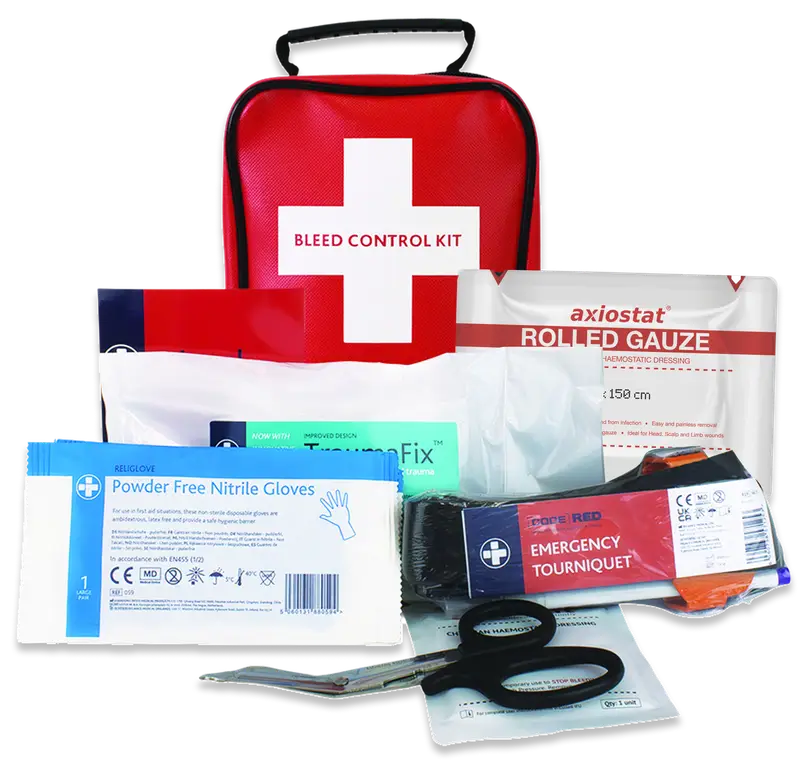
- Hemostatic dressing for severe bleeding
When making a first aid kit, most people focus on minor cuts and abrasions; however, being prepared for major injuries that can cause excessive bleeding is equally necessary. The best thing about having a complete first aid kit is that you can better respond to injuries without developing complications.
Learn the Basics of Bleeding Control
Knowledge of how to act in case of an emergency situation cannot be compared in importance to the availability of appropriate supplies.
The basics of bleeding control include:
- Restrain yourself and examine your wound carefully.
- Place direct pressure on the wound.
- Use a sterile dressing or gauze.
- Continue applying pressure until the bleeding stops.
- Get medical assistance if needed.
In case of more complicated injuries, advanced bleeding control products such as hemostatic dressings can come in handy.
Hemostatic dressings will enable you to stop bleeding rapidly and can become very helpful when travelling outdoors.
Get Ready to Deal with Frequent Outdoor Wounds
Not all injuries that occur outside necessarily involve massive blood loss. There are some wounds that one can handle easily with proper preparation.
Built with Care for People and the Planet
Axiostat is made by Axio Biosolutions, a company that values both innovation and ethics. Every product is made in ISO 13485 certified facilities. It uses biodegradable materials and is completely cruelty-free, supporting global efforts for a safer, cleaner world.
Cuts and Abrasions
Wash your wound and then use a clean bandage to wrap it so that you lower the chances of infection.
Sprains and Strains
Avoid further injuries by resting and reducing pressure from the wound. Having a compression bandage when going outdoors is quite useful.
Burns
Injuries that result from fire, campfires, hot cooking gear and machinery should be cooled using water and dressed appropriately.
Blisters
Blister formation can happen after long walks or trekking. Wear proper shoes and use blister plasters.
Severe Cuts and Heavy Bleeding
For injuries with significant bleeding, apply a hemostatic dressing to help control blood loss quickly and support clot formation until medical assistance is available.
Carry Emergency Supplies Beyond First Aid
A first aid kit is important, but it should not be the only safety item you bring.
Consider carrying:
- Extra drinking water
- Flashlight or headlamp
- Weather protection gear
- Communication device
These items can help you stay safe if an injury delays your return or changes your plans.
A Safer Outdoor Experience Starts with Preparation
Enjoyment is expected after engaging in outdoor activities, but sometimes one needs to deal with injuries sustained during them. This essay provides you with useful information about how to act in case you have planned a hiking and camping trip over the weekend. You must know how to act because it makes one feel better.
Proper use of safety gear, along with materials and knowledge of bleeding control, will help you feel safe when undertaking any outdoor activities.
Frequently Asked Questions (FAQs)
- What items will I pack in my first aid kit when hiking?
There need to be bandages, gauze, antiseptics, medical tapes, pain medications, gloves, and hemostatic dressings for any form of injury.
- Why is it necessary to learn how to control bleeding in the outdoors?
The reason why it is vital is that there may be a lack of access to help once you have suffered injuries, hence the importance of controlling bleeding.
- Is there an application of hemostatic dressings when hiking or camping?
Yes, since they are light, portable, and suitable for controlling bleeding cases during outdoor events.
- What are the most frequent injuries during hiking and camping?
Common injuries include cuts, scrapes, blisters, sprains, burns, and falls