What Are the 5 Ways to Control Bleeding During an Emergency?
Bleeding can occur at any time—when you are at home, travelling, working, or outdoors. Even though many wounds are small, serious bleeding can become life-threatening within minutes. You may be able to save a life by knowing the 5 ways to control bleeding. We believe everyone should know how to control bleeding and be able to use products designed for this purpose.
Why Bleeding Control Matters
Excessive blood loss is one of the leading causes of preventable deaths following traumatic injuries. The sooner the bleeding stops, the greater the chances of avoiding complications and stabilising the patient’s condition.
Regardless of whether you are a parent, educator, construction worker, or emergency service provider, knowing the 5 ways to control bleeding is essential knowledge.
1. Apply Direct Pressure Immediately
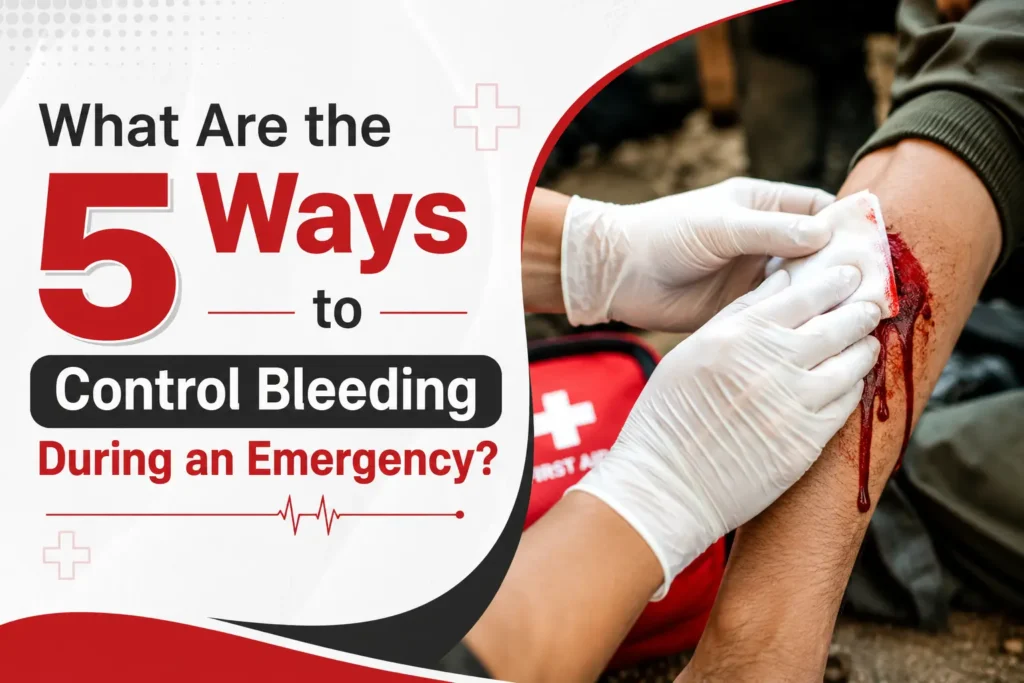
The first and most important step is applying firm pressure directly over the wound.
Use:
- A clean cloth
- Sterile gauze
- Hemostatic dressing
Keep steady pressure without constantly checking the wound.
Direct pressure helps the body begin forming a clot naturally.
2. Use a Hemostatic Dressing
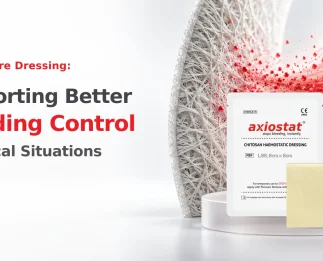
When direct pressure alone is not enough, a hemostatic dressing is needed for better bleeding control.
Unlike traditional gauze bandages, a hemostatic dressing promotes rapid clot formation.
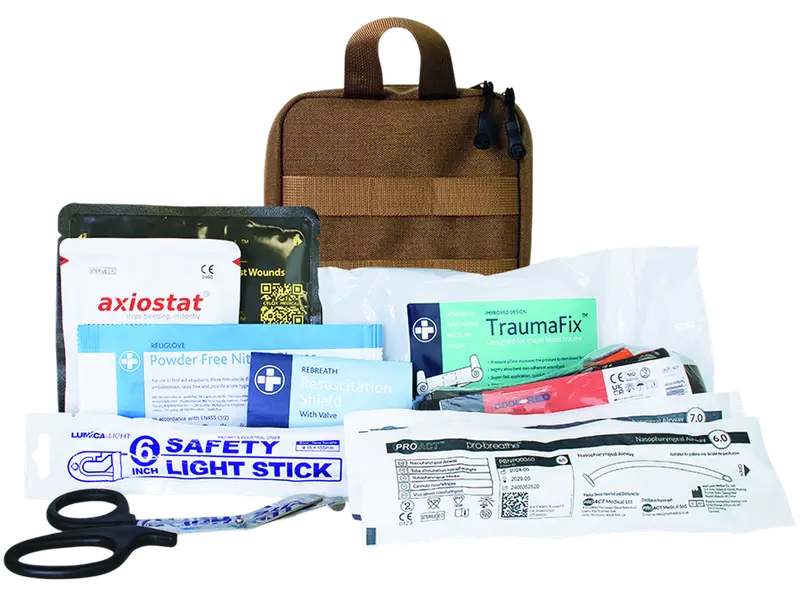
At Axiostat, our hemostatic dressings made from chitosan work with blood cells to help form a strong clot quickly. They are a valuable addition to emergency kits, workplaces, ambulances, and homes.
3. Pack Deep Wounds Correctly
Some injuries involve deep cuts or puncture wounds.
In these cases:
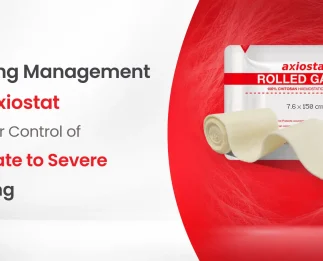
- Place the hemostatic gauze directly into the wound.
- Fill the wound cavity carefully.
- Continue applying firm pressure.
Proper wound packing helps control bleeding from deeper injuries that surface dressings alone may not manage.
4. Apply a Tourniquet for Severe Limb Bleeding
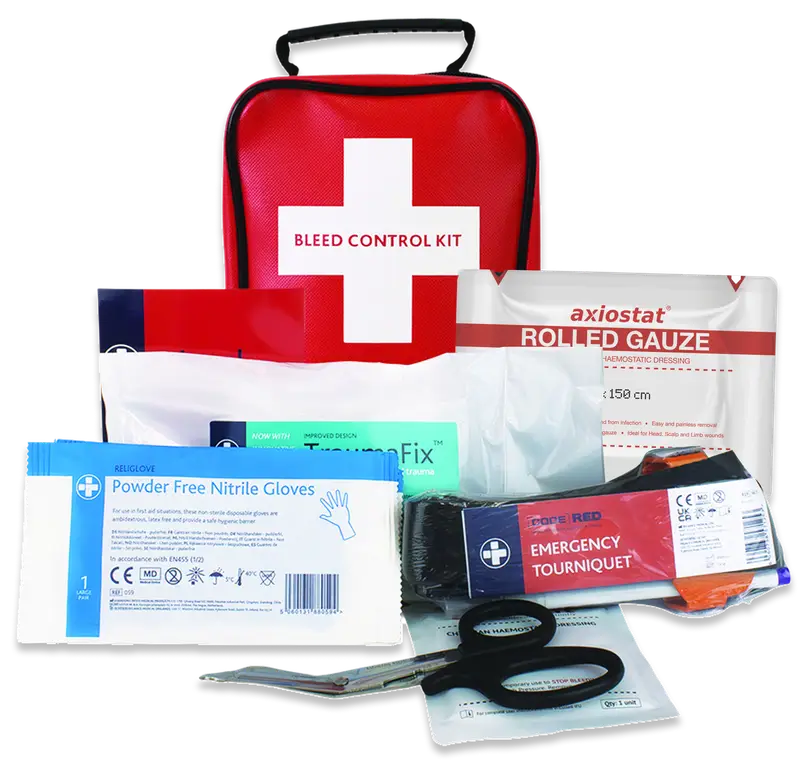
If bleeding from an arm or leg cannot be controlled with direct pressure and wound packing, a tourniquet may be necessary.
Place it:
- Several inches above the wound
- Not over a joint
- Tight enough to stop the bleeding
Tourniquets should only be used for life-threatening extremity bleeding.
5. Get Medical Help and Continue Monitoring
Even after bleeding slows or stops, the injured person still needs medical evaluation if the wound is serious.
Continue to:
- Watch for renewed bleeding.
- Keep the person warm.
- Monitor for signs of shock.
- Avoid removing the dressing unnecessarily.
Bleeding control is the first step—not the final treatment.
Why Traditional Gauze Isn't Always Enough
Many people believe ordinary gauze can handle every injury.
While it’s useful for:
- Minor cuts
- Small scrapes
- Everyday wounds
It simply absorbs blood.
It doesn’t actively help blood clot.
That’s why modern trauma care increasingly uses advanced hemostatic dressings.
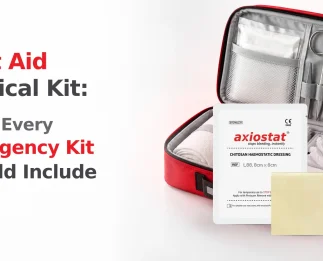
Where Should You Keep Bleeding Control Supplies?
You never know when an emergency may happen.
Keep bleeding control supplies in:
- Home first aid kits
- Cars
- Workplaces
- Schools
- Hiking bags
- Sports kits
- Construction sites
Preparedness begins before the emergency.
The Importance of Having the Right Products to Manage Bleeding
Apart from knowing the 5 ways to control bleeding, it is equally crucial to have the necessary products for this procedure. While direct pressure on wounds may work, advanced solutions should be used when bleeding is too severe. Hemostatic dressings from Axiostat can help facilitate rapid blood clotting and bleeding management. Thus, it is vital to keep a product to manage severe bleeding at hand in your house, at work, in your car, and in your first-aid kit until help arrives.
Be Prepared Before an Emergency Occurs
Prepare yourself for controlling bleeding in advance. Considering that any emergency can happen anytime and anywhere, it is recommended to always be prepared in terms of proper education and necessary equipment. The Axiostat team is happy to present you with advanced bleeding control products, which are compact, efficient, and highly appreciated by medical staff and emergency services all around the globe.
Conclusion
Knowing the above 5 ways to control bleeding will certainly help prepare you well in times of emergencies. Simple first aid procedures are indeed valuable, but the presence of modern-day hemostatic devices does give you an extra edge whenever there is a case of bleeding. At Axiostat, our focus is on bringing about innovation in the field of bleeding management using advanced chitosan-based hemostatic dressings that help people respond confidently when every second counts.
Axiostat is more than a hemostatic dressing—it’s a tool that saves lives. With global trust and proven results, it’s changing how we manage emergency bleeding control, one life at a time.
Frequently Asked Questions
- What are the 5 ways to control bleeding?
The five key ways include direct pressure, hemostatic dressing, wound packing, tourniquets, and medical help while keeping an eye on the patient. - When should I use a hemostatic dressing?
This is recommended when dealing with moderate and heavy bleeding, which can be difficult to handle using gauze. - Can Axiostat products substitute for professional medical help?
Not necessarily, since the dressings will only act to help you stop the bleeding before you get to the professionals. - Why is it critical to control bleeding quickly?
It will minimise blood loss and reduce the chances of going into shock.