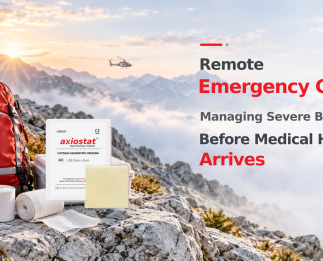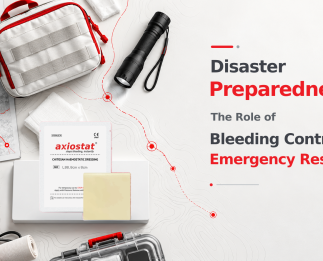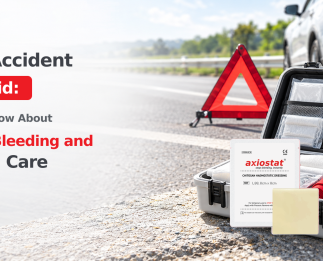
Remote Emergency Care: Managing Severe Bleeding Before Medical Help Arrives
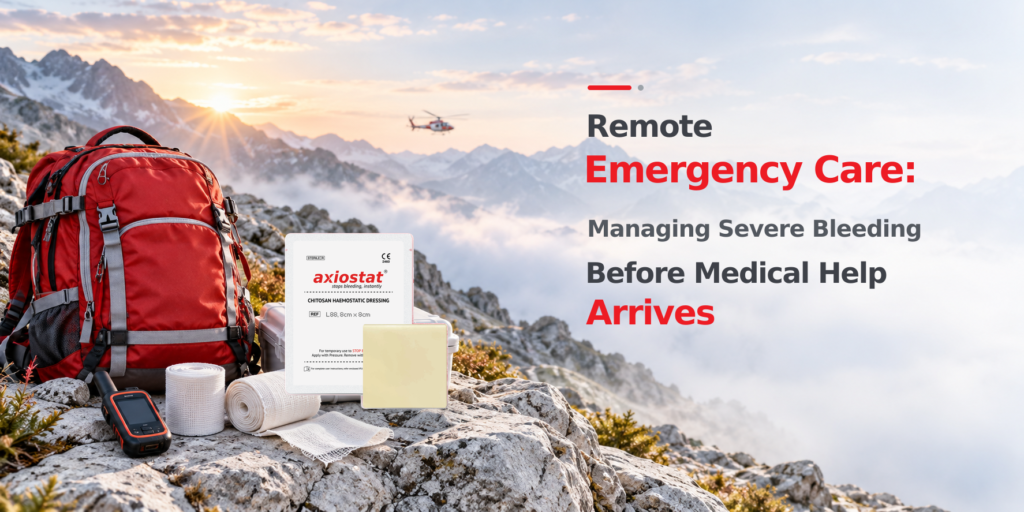
Trekking, camping, and outdoor adventures can take people far from hospitals and emergency services. Although these activities offer memorable experiences, accidents such as falls, cuts, and other traumatic injuries can become serious when medical assistance is delayed. In such situations, knowing basic first aid and carrying suitable medical supplies can help people respond more effectively.
A Hemostatic Dressing may be a useful addition to an appropriate first-aid kit for managing certain bleeding injuries. Understanding how to recognise severe bleeding, provide immediate care, and prepare for rescue is especially important when exploring remote locations.
Why Is Bleeding Control Important in Remote Locations?
Accessing medical services from remote locations often takes longer due to challenging terrain, limited communication facilities, and inadequate transport. Time is of the essence when dealing with severe injuries since loss of blood can lead to a life-threatening condition.
Common warning signs include
- Constant or heavy bleeding from a wound
- Blood saturating clothing or bandages
- Deep cuts, injuries, or loss of limbs
- Very pale, cold, or sweaty skin
- Rapid breathing, loss of consciousness, dizziness, or unusual fatigue
It is important to note that internal bleeding could take place without a visible wound or injury. After experiencing an injury, the patient may encounter abdominal pain, swelling, excessive drowsiness, or indications of shock.
How Can You Prepare for Outdoor Emergencies?
1. Carry Essential First-Aid Supplies
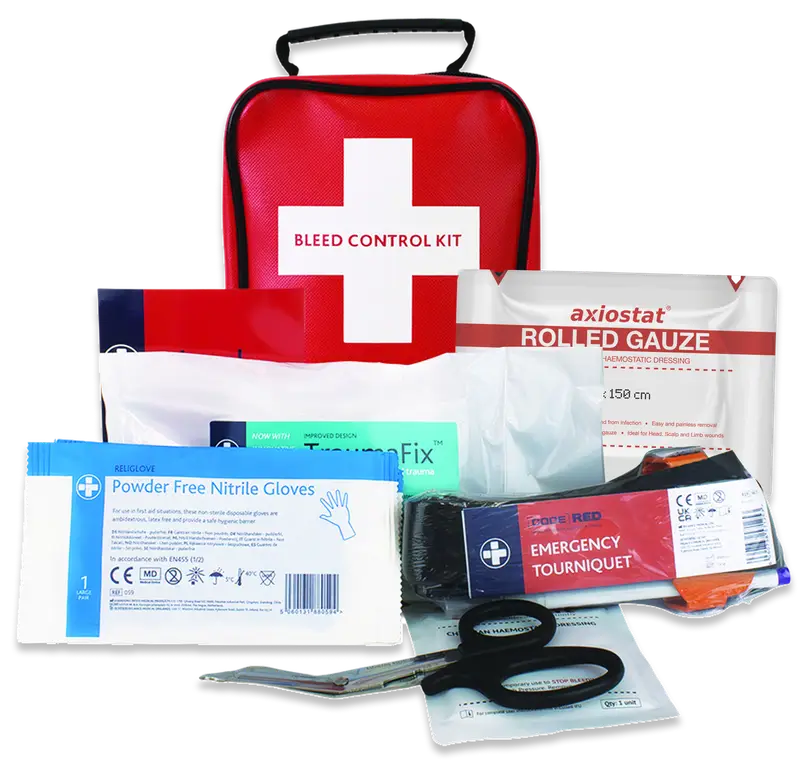
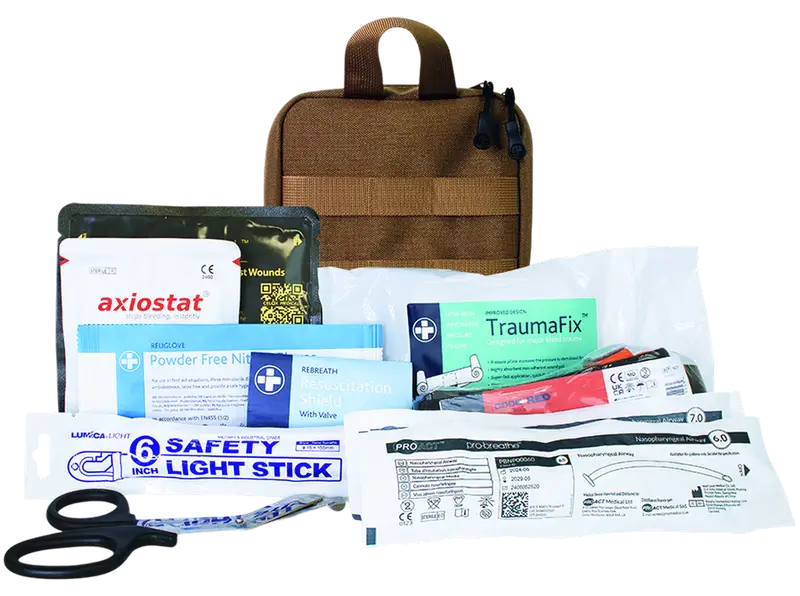
It is essential to prepare a first-aid kit considering some factors such as the nature of the activity, group size, duration, and the risk factors involved in the trip. The first-aid kit must contain essential items like gloves, sterile gauze, appropriate wound dressing, bandages, and any other necessary items. The expiry dates and packaging of the items must be checked before departure.
For appropriate bleeding-control applications, consider carrying a suitable Hemostatic Dressing and learning how to use it according to the manufacturer’s instructions.
2. Plan Communication and Rescue Arrangements
Let someone who is not going with you know the route you will take and the anticipated time of return, along with emergency contact details. Make sure your mobile phone will work and investigate other forms of communication if needed.
If you are going on a remote trek, bring equipment that allows for communication and know how you can inform emergency services of your location. A clear rescue plan will help lower the chance of confusion in a situation in which time and access are limited.
3. Learn Basic First-Aid Skills
First aid courses teach individuals to understand the symptoms of serious injuries and correctly administer first aid, including stopping the bleeding using adequate medical supplies and recognising symptoms of shock. Participants must be made aware of scene security and when it is appropriate to call for help.
In group excursions, it is always necessary to make sure that there are trained first-aiders in the group and agree at the very start who will call for help in case of an emergency.
What Should You Do If Someone Has Severe Bleeding?
1. Check the Scene for Safety
Take note of any hazards, including unstable ground, falling rocks, fire and fast-moving water before approaching the injured person. Be deliberate in avoiding greater risk to yourself and others
- Contact Emergency Services
Call the Emergency Services. Upon identifying the location of an injury, contact Emergency Services right away. Share your location, the nature of the injury, and any obstacles to travelling to that person. If you do not have cell phone reception, follow the established communication and rescue protocol.
3. Apply Firm, Direct Pressure
If a wound is bleeding externally, apply the clean dressing or sterile gauze firmly and without letting go until medical help arrives.
If a foreign object is present in the wound, avoid removing it or placing any pressure directly on it, but ensure that you place pressure on the areas around it instead and get medical assistance immediately.
4. Use Appropriate Bleeding-Control Supplies
If a wound is bleeding externally, apply the clean dressing or sterile gauze firmly and without letting go until medical help arrives.
If a foreign object is present in the wound, avoid removing it or placing any pressure directly on it, but ensure that you place pressure on the areas around it instead and get medical assistance immediately.
How Does Axiostat Support Bleeding Control?
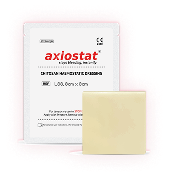
Axiostat is a medical dressing designed to help control moderate to severe bleeding in appropriate emergency and trauma applications. It features 100% Chitosan and is powered by Protonated Bioadhesive Technology(PBT)Ⓡ.
This technology supports interaction between the dressing and blood components at the bleeding site, contributing to the body’s natural hemostatic response. Its material and technology are relevant considerations when selecting products for suitable bleeding-control applications.
Axiostat should be selected and used according to its locally approved indications and Instructions for Use. It does not replace emergency medical assistance, professional assessment, or definitive treatment.
Building Better Preparedness for Remote Emergencies
Effective remote emergency care begins before an outdoor activity. Carrying suitable first-aid supplies, checking equipment, learning essential skills, sharing travel plans, and preparing for delayed evacuation can help people respond more confidently when accidents occur.
Preparedness cannot eliminate every risk, but it can support timely action while professional help is arranged.
Frequently Asked Questions
1. What is Hemostatic Dressing?
It is a medical dressing designed to help control bleeding in specific types of wounds. Its suitability depends on the injury and the product’s approved instructions.
2. What should a trekking first-aid kit include?
A suitable kit may include gloves, sterile gauze, wound dressings, bandages, and other supplies appropriate to the activity and potential risks.
3. How should severe bleeding be managed in a remote area?
Contact emergency services, apply firm direct pressure to an external wound, and follow emergency operator guidance while arranging medical assistance.
4. What technology does Axiostat use?
Axiostat features 100% Chitosan and is powered by Protonated Bioadhesive Technology(PBT)Ⓡ.
5. Can a dressing replace emergency medical care?
No. A dressing may help control bleeding in appropriate injuries, but serious wounds require prompt professional medical assessment and treatment.
Conclusion
Controlling serious blood loss in hard-to-reach areas necessitates planning, quick first aid, and an effective evacuation strategy. Having the right healthcare materials on hand, practising critical techniques for stopping bleeding, and knowing how to reach help can greatly assist individuals in being able to respond as they wait for professional help.
Hemostatic dressing might be one item to consider in a comprehensive outdoor first-aid kit, but it must be used in accordance with its approved directions and in conjunction with seeking out appropriate medical assistance.
Disclaimer: For informational purposes only. Product availability, indications, and regulatory status may vary by country. Refer to locally approved labelling and instructions for use.
Related Insights
- All Posts
- Blog