How to Control Bleeding When Traditional Bandages Fail
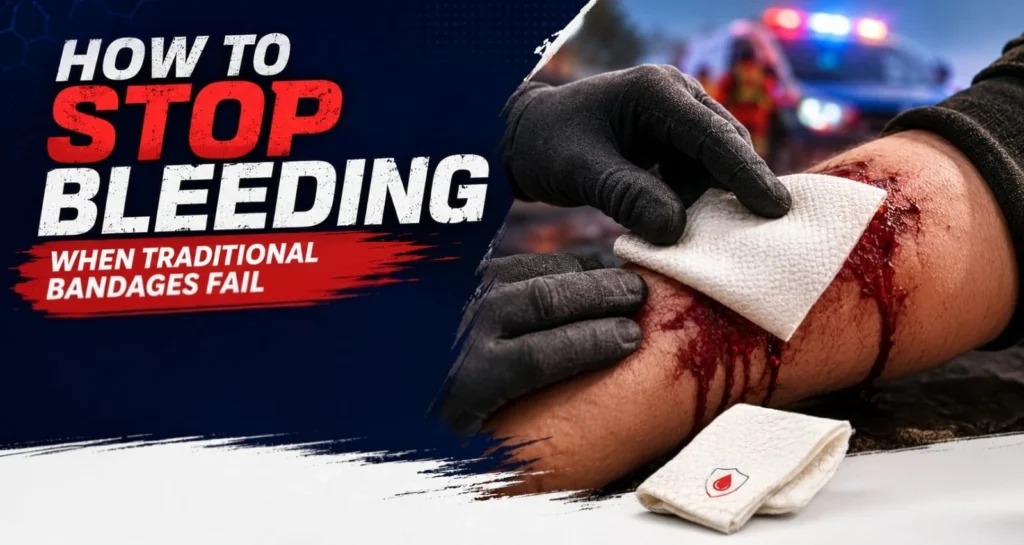
In any injury, bleeding is one of the most critical problems. In most common injuries, a normal bandage or gauze can be used. They will cover the wound, absorb a little bit of blood, and protect the injured site until the situation stabilises. However, not all injuries are like that. There are cases when the wound bleeds so heavily or too fast that ordinary bandages cannot handle it anymore. Then comes the question: how to control bleeding when the usual first aid supplies are not enough.
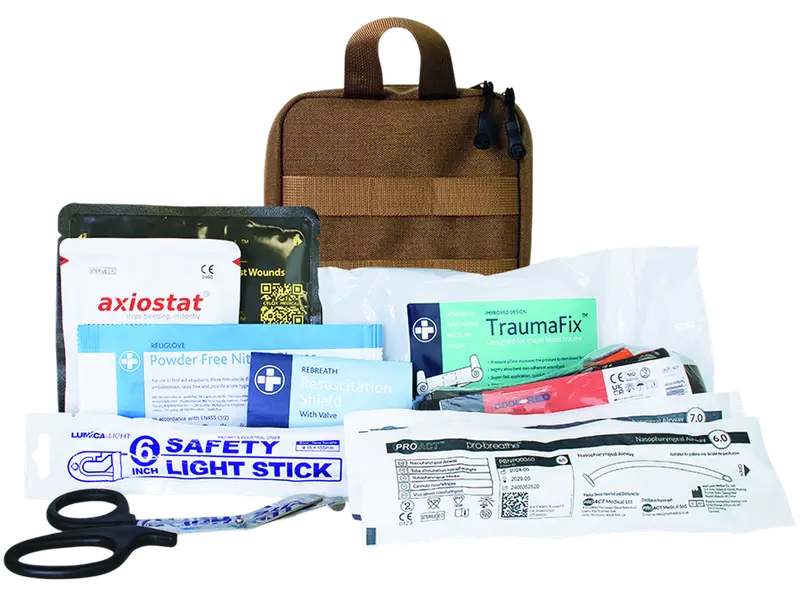
Axiostat specializes in products that are developed for the most difficult bleeding cases. We know that if bleeding continues, then people require more than just covering the wound. They need an active approach to managing their bleeding problem. Hemostatic dressings are the answer to such situations.
Why Traditional Bandages Do Not Always Work
Regular bandages are efficient in dealing with most of the small wounds. They form the basis of a first-aid kit at home, in the office and while traveling. Regular bandages can be used for small cuts, abrasions, and slight bleeding. However, their role is limited only to covering up the wound and absorbing the blood that flows. They cannot stimulate clotting process in the same way as a hemostatic dressing.
Such a dressing is essential in scenarios like:
- Dangerous cuts made by instruments and machines
- Bleeding injuries at the workplace
- Trauma sustained in road accidents
- Bleeding caused by any outdoor activity like hiking, camping, or field research
- In case of continuous oozing of blood through the dressing material
In all these scenarios, a regular bandage will become saturated with blood rather soon and still will not be able to control bleeding. One will have to repeatedly change the gauze and apply pressure to control bleeding. At this stage, it becomes vital to know how to control bleeding.
What Makes Severe Bleeding Different?
Not all bleeding behaves the same way. A shallow cut on a finger is very different from a deep wound on the arm or leg. Serious bleeding can happen faster than many people expect. It can also become dangerous if it is not controlled quickly.
A wound may need more than a regular bandage if:
- Blood is flowing steadily and does not slow down
- The cut is deep or wide
- Blood soaks through multiple layers of gauze
- The injury happened in a high-risk setting such as a construction site or roadside accident
- The person becomes weak, pale, or dizzy from blood loss
In these situations, the goal is not just to cover the wound. The goal is to control blood loss as quickly as possible and help stabilize the person until medical care is available.
How Hemostatic Dressings Help
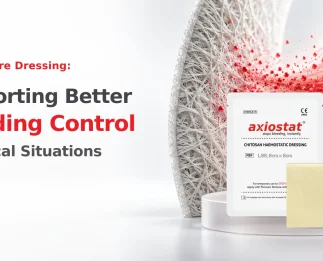
A hemostatic dressing differs from ordinary gauze in that it is designed to facilitate faster bleeding control. Instead of only absorbing blood, it works with the body’s natural response to help form a clot and seal the wound more effectively.
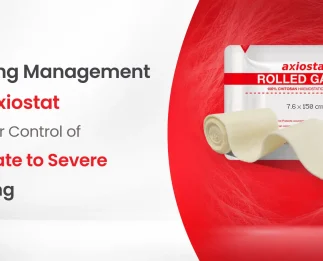
Our hemostatic dressings are designed for rapid bleeding control in emergency and trauma situations. They use chitosan-based technology to help the dressing interact with blood cells and support clot formation at the wound site. This makes them a more practical option when traditional bandages fail to do the job.
In simple terms, a hemostatic dressing helps by:
- Acting quickly at the bleeding site
- Supporting clot formation
- Creating a protective barrier over the wound
- Helping reduce ongoing blood loss
- Offering a better response in moderate to severe bleeding situations
This is why knowing how to control bleeding is not just about applying pressure. It is also about using the right product for the right type of wound.
Signs It Is Time to Move Beyond a Regular Bandage
People often begin with whatever is closest to them, usually a normal bandage or plain gauze. That makes sense in the first few moments of an injury. But there are clear signs that the situation may require something more advanced.
A regular bandage may not be enough if:
- The wound keeps bleeding after direct pressure
- The gauze becomes soaked very quickly
- The injury is deep and hard to cover properly
- The bleeding restarts when pressure is removed
- You are in a setting where medical help may take time to reach you
When this happens, switching to a hemostatic dressing can give you a much better chance of controlling the situation.
How to Control Bleeding with a Hemostatic Dressing
If you are dealing with a more serious wound, it helps to know the basic steps for using a hemostatic dressing properly. The exact instructions may vary depending on the product and the wound, but the general approach is simple.
Basic steps to control bleeding:
- Find the source of the bleeding
Expose the wound so you can see where the blood is coming from. - Place the hemostatic dressing directly on the wound
If the wound is deep, gently pack the dressing into the wound area if the product is intended for that use. - Apply firm pressure
Press directly over the dressing to help it work effectively. - Hold pressure for a few minutes
Do not keep lifting the dressing to check too early. Give it time to support clot formation. - Secure the dressing if bleeding is controlled
Use a wrap or bandage to hold it in place until medical help is available.
These steps are simple, but they can be very important in an emergency. Learning how to control bleeding before a crisis happens can help you act with more confidence when time matters.
Where Axiostat Can Be Useful
We design products for situations where bleeding control needs to happen fast and reliably. Our dressings can be useful in many real-world environments where serious injuries may occur.
Common settings where hemostatic dressings may help:
- Construction and industrial worksites
- Roadside emergency kits
- Outdoor and adventure gear
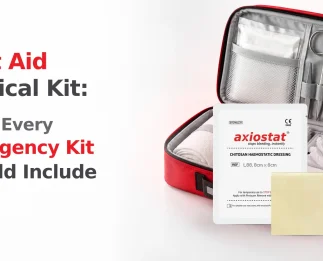
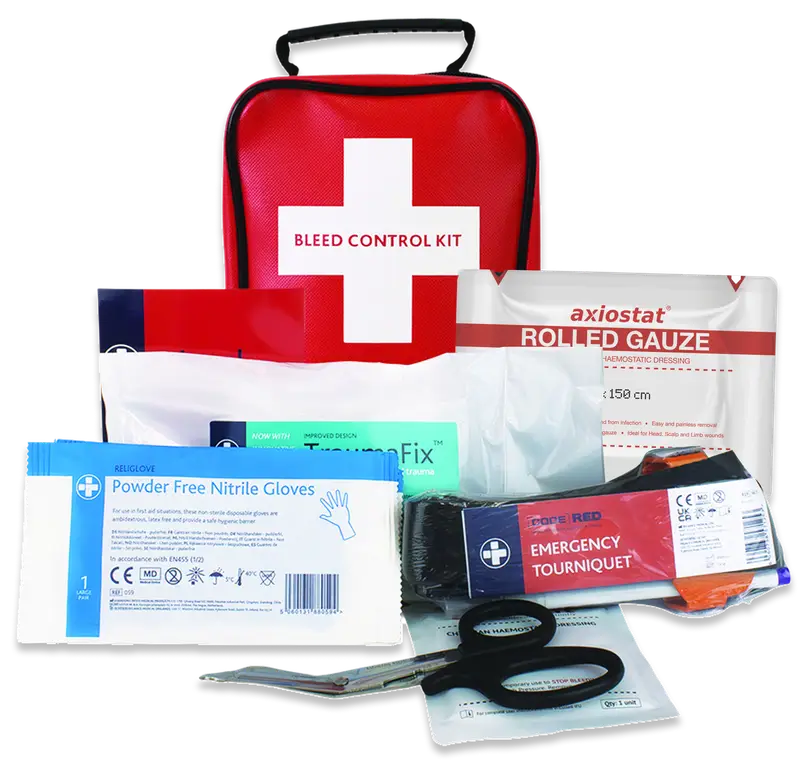
- Home emergency preparedness kits
- Ambulance and first responder kits
- Military and tactical trauma care settings
In all of these places, the problem is often the same: a regular bandage may not be enough when bleeding is heavy. Having a hemostatic dressing available gives people another level of preparedness.
Conclusion
Traditional bandages still have an important place in first aid. They are useful for everyday cuts and small wounds. But when bleeding becomes heavier, deeper, or harder to control, they may not be enough. That is when it becomes essential to understand how to control bleeding with a solution designed for more serious situations.
A hemostatic dressing offers more than simple wound coverage. It helps support clotting, reduce blood loss, and improve the chances of controlling the injury before it gets worse. At Axiostat, we believe that better bleeding control starts with better preparedness. Knowing when to move beyond a regular bandage can make a real difference when every minute counts.
Frequently Asked Questions
- How do I know if a regular bandage is not enough?
In case of constant bleeding through the bandages or if the wound is deep and bleeding doesn’t cease after applying strong pressure, a regular bandage will probably not help.
- What to do to control bleeding in case of severe wounds?
Use pressure and hemostatic dressings if they are available. The hemostatic dressing is supposed to assist in controlling bleeding faster than plain gauze.
- Could one apply the hemostatic dressing at home?
Yes. It could be handy to have it at home as part of an emergency set for those who need to be more prepared.
- Could Axiostat be used only by professional doctors?
No. Our products should be convenient for emergencies according to their instructions and types of wounds.