How Hemostatic Dressings Like Axiostat Are Changing First Aid for Bleeding
Home injuries occur more often than one would think. A slip with a knife while in the kitchen, an accident in the yard, a shattered glass, or do-it-yourself projects may cause a bleeding injury. Bleeding from a cut is not usually serious, but certain cuts may result in heavy blood loss, especially when untreated.
In an emergency bleeding situation at home, knowledge of appropriate first aid for bleeding can save the day. At Axiostat, we strongly believe that every home must be prepared with effective solutions for bleeding injuries.
In this guide, we’ll explain how to manage bleeding at home, when regular bandages may not be enough, and why advanced hemostatic dressings are becoming an important part of modern first aid kits.
Why Quick Action Matters
Bleeding is always an emergency, and every moment counts. Minor cuts tend to stop bleeding by themselves, but major cuts may keep on bleeding continuously. The excessive loss of blood may cause dizziness, weakness, shock, and other complications.
Giving proper first aid for bleeding will help you to:
- Minimize the loss of blood
- Guard the wound from dust and bacteria
- Support the process of blood clotting
- Maintain the stability of the victim until professional help arrives.
Common Causes of Bleeding Injuries at Home
Many everyday activities can result in unexpected injuries.
Some common examples include:
- Kitchen knife cuts
- Broken glass injuries
- Cuts from gardening tools
- Falls around the house
- DIY and home repair accidents
- Power tool injuries
- Pet scratches and bites
While many of these injuries are minor, some may require more than a standard adhesive bandage.
How to Tell If Bleeding Is Serious
Not every cut requires emergency treatment, but some wounds need immediate attention.
Watch for signs like:
- Blood that continues flowing after several minutes
- Deep cuts exposing tissue
- Blood is soaking through multiple dressings
- Spurting blood
- Large wounds caused by sharp objects
- The injured person becomes pale, weak, or dizzy.
These situations require immediate first aid for bleeding and professional medical evaluation.
Step-by-Step First Aid for Bleeding at Home
- Stay Calm and Protect Yourself
Before helping someone else, make sure the area is safe.
If possible:
- Wash your hands.
- Wear disposable gloves.
- Keep the injured person calm.
Remaining calm allows you to think clearly and provide better care.
- Identify the Source of Bleeding
Take off or shift away any clothing to identify the injury site.
The accurate location of the bleeding allows you to put on the bandage correctly.
- Apply Direct Pressure
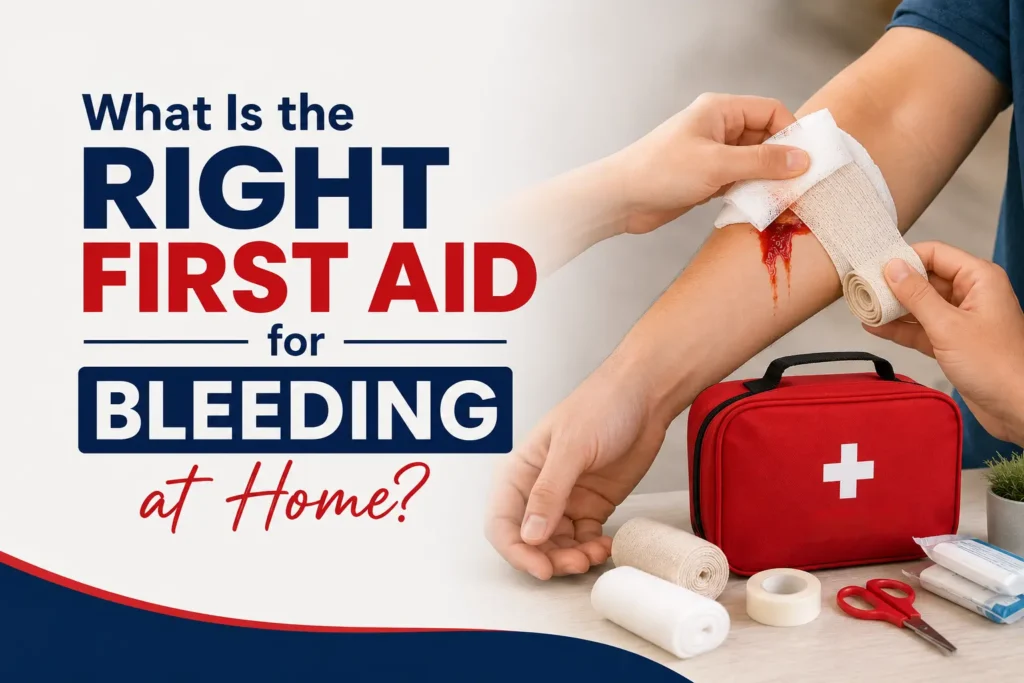
Put the clean bandage right onto the injury spot.
Press hard and continuously.
Do not remove the bandage every few seconds to check the bleeding; it will disrupt clot formation.
- Apply a Hemostatic Dressing for Severe Bleeding
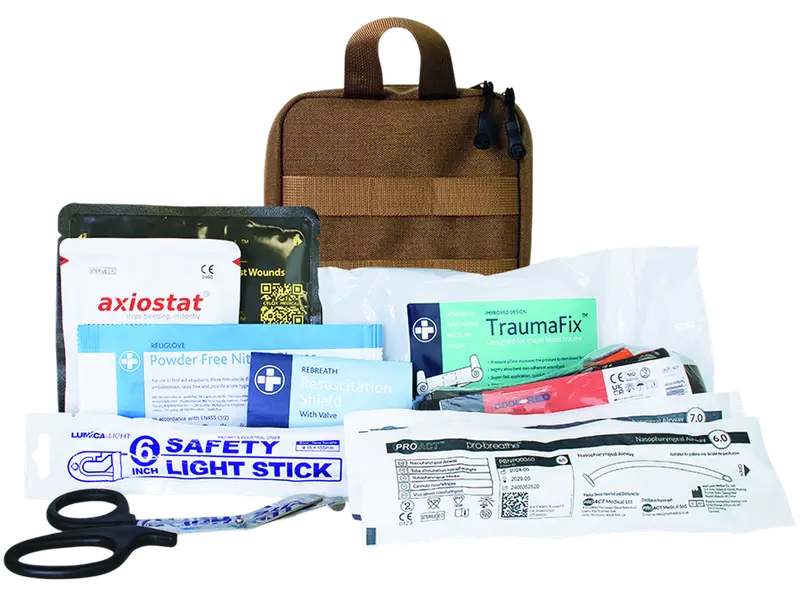
In cases of moderate and heavy bleeding, a hemostatic dressing may help control the bleeding more efficiently compared to regular gauze. We develop hemostatic dressings that use chitosan technology to speed up clot formation. Unlike simple blood absorption, they interact with the body’s physiological processes to control bleeding.
- Secure the Dressing
Once the bleeding begins to slow, wrap the dressing with a bandage to keep it in place.
This helps maintain steady pressure while the person receives further medical care if needed.
- Monitor the Person
Continue observing the injured person.
Watch for:
- Continued bleeding
- Weakness
- Dizziness
- Pale skin
- Difficulty staying awake
If symptoms worsen, seek immediate medical attention.
When Regular Bandages May Not Be Enough
Most homes have adhesive bandages or cotton gauze available.
These products work well for:
- Small cuts
- Minor scrapes
- Light bleeding
However, regular bandages have limitations.
They mainly absorb blood and protect the wound. They do not actively promote clotting.
When bleeding is heavy, relying only on ordinary gauze may not provide enough bleeding control.
This is where advanced hemostatic dressings offer an important advantage.
Why We Developed Axiostat
Our mission is to make bleeding control easier, faster, and more effective.
Our products are designed for use across:
- Emergency medical services
- Hospitals
- Military medicine
- Industrial workplaces
- Ambulances
- Personal first aid kits
By combining simple application with advanced clotting technology, we help improve bleeding control when every minute matters.
Why Every Home First Aid Kit Should Include Axiostat
Normally, households will always have medications, bandages, and antiseptics available at home in case any emergency occurs. However, few individuals have ever thought about severe bleeding until that moment. Incorporating our products into your home first aid kit will make you feel more prepared for any case of bleeding.
Common Mistakes People Make During Home Bleeding Emergencies
During stressful situations, it’s easy to make mistakes that slow bleeding control.
Avoid these common errors:
- Removing the dressing repeatedly
- Using dirty towels or a cloth
- Applying weak or inconsistent pressure
- Waiting too long before seeking medical care
- Assuming all bleeding will stop on its own
Knowing proper first aid for bleeding helps you avoid these mistakes and respond with confidence.
Preparing Your Family for Bleeding Emergencies
Being prepared doesn’t require medical training.
Simple steps include:
- Learning basic bleeding control
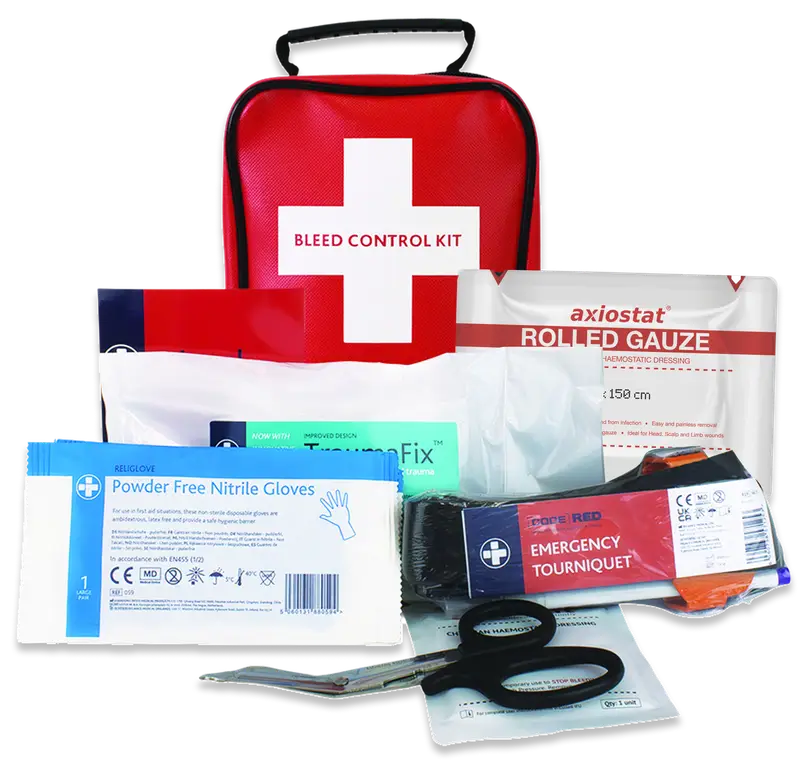
- Keeping a complete first aid kit
- Including a hemostatic dressing like Axiostat
- Replacing expired supplies regularly
- Teaching family members where emergency supplies are stored
Prepared families can respond more quickly when accidents happen.
Conclusion
Home accidents cannot be predicted, but preparation is something that is entirely up to you. Understanding the right first aid procedures for bleeding allows you to act fast, stop the bleeding, and assist the victim before any medical help arrives.
Though conventional bandages can still be used for minor cuts, they are insufficient for severe cases of bleeding emergencies. We produce bleeding dressings that work with the body’s blood cells to help control bleeding much more efficiently Including Axiostat products in your first aid for bleeding means making one more step towards readiness for unforeseen emergencies, because when it comes to bleeding, time really counts.
Frequently Asked Questions
- What is the right first aid for bleeding at home?
First aid in cases of bleeding consists of using direct pressure, placing a dressing and a hemostatic dressing, and securing the wound; also, it is important to go for medical help if there is heavy bleeding that does not stop.
- In which cases can I use a hemostatic dressing?
Hemostatic dressing can be used when there is moderate or severe bleeding, a deep wound, or injury, when standard gauze cannot help to stop the bleeding.
- Can I keep Axiostat products in my home first aid kit?
Yes, because they are light, sterile, and easy to carry, it is ideal for carrying in home emergency kits.
- Why is a hemostatic dressing better than regular gauze for severe bleeding?
A. While regular gauze mainly absorbs blood and protects the wound, a hemostatic dressing is designed to help blood clot more quickly, making it more effective for controlling moderate to severe bleeding. As part of proper first aid for bleeding, using a hemostatic dressing like Axiostat can help reduce blood loss and provide valuable time until professional medical care is available.