Disaster Preparedness: The Role of Bleeding Control in Emergency Response
Disasters such as floods, earthquakes, cyclones, and tsunamis can lead to severe injuries and difficulties accessing healthcare services. In such situations, emergency service responders may have to assist multiple victims, face a lack of resources, and have problems accessing healthcare centres. To cope with such challenges, one needs to have suitable first aid materials, trained staff members, and an emergency plan.
Emergency bleeding control is an important part of disaster preparedness because severe bleeding requires prompt attention. The right equipment and the knowledge and training to use it could contribute to early injury management before professional health services are made available.
Why Is Bleeding Control Important During Disasters?
In case of an emergency situation, the response team might have to deal with a number of injured people and also organise transport and medical help. Proper preparation will allow responders to identify the severity of the situation and apply proper first aid.
However, first aid alone cannot address every injury.
Internal bleeding, severe trauma, and any other serious injury require immediate professional medical evaluation and treatment. Disaster management will thus involve controlling bleeding and evacuating the injured person to the hospital.
What Should an Emergency Bleeding Control Kit Include?
A well-thought-out first aid kit should have items which suit the expected dangers, the environment, as well as the competency level of the users.
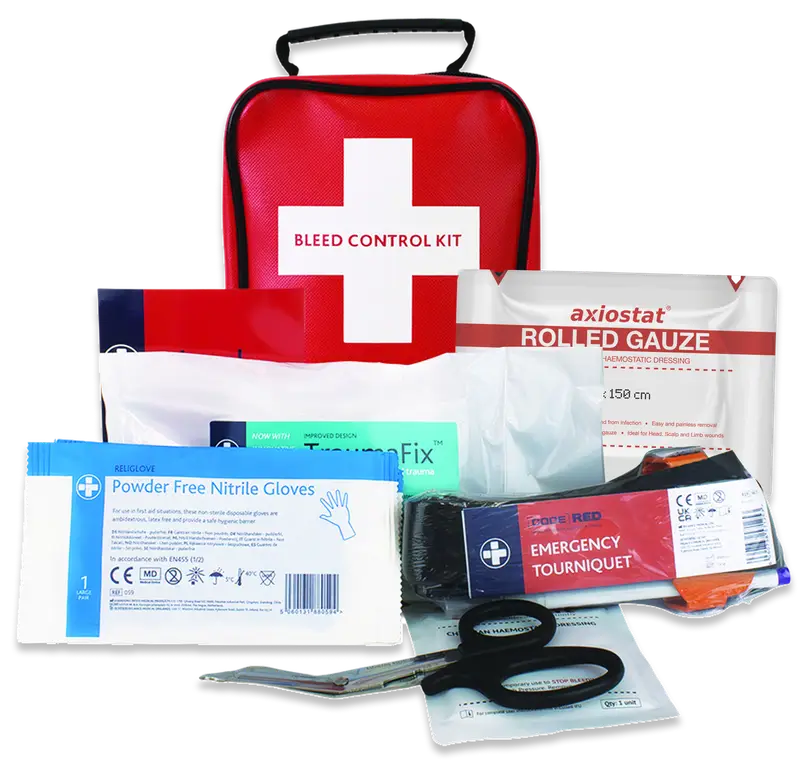
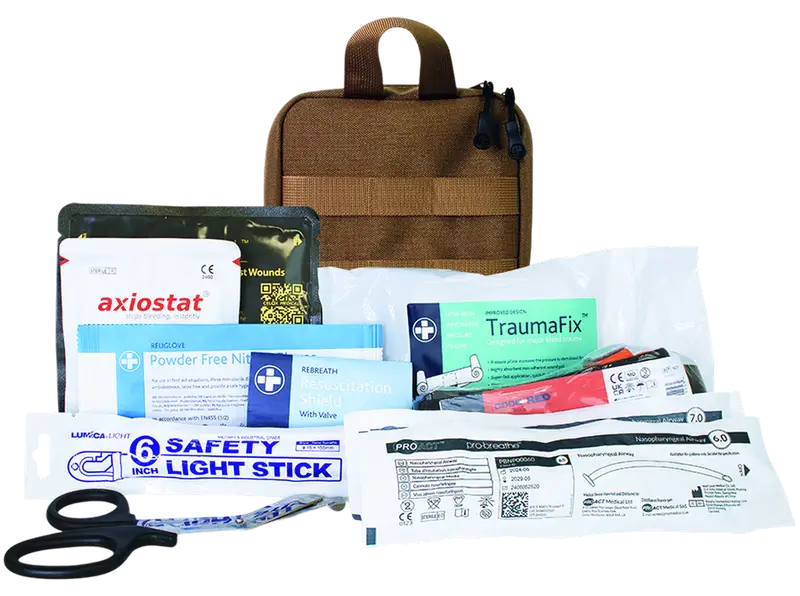
Some important first aid items include:
Sterile gauze and wound dressings: Used for covering wounds and controlling bleeding.
Pressure dressings: Used for maintaining pressure on wounds.
Tourniquet: For life-threatening bleeding from an arm or leg, used by trained responders.Hemostatic Dressing: An advanced type of dressing used for controlling bleeding.
Protective gloves: Used for avoiding exposure to blood and other body fluids.
Trauma shears: used to cut clothing so the wound can be seen and reached.
The first aid kits must be placed in accessible places. They should also be checked for expiry dates, broken packets, and missing items. It is also important to evaluate the contents of the kit based on the risks in the area.
How Does a Hemostatic Dressing Support Emergency Preparedness?
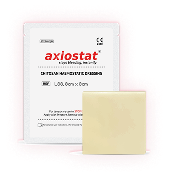
A Hemostatic Dressing can be a useful addition to selected emergency and trauma kits. These dressings are designed to support bleeding control in appropriate applications, but their suitability depends on the wound, the product’s approved indications, and the user’s training.
Axiostat is a Hemostatic Dressing featuring 100% chitosan, powered by Protonated Bioadhesive Technology(PBT)Ⓡ. Its technology supports interaction with blood components at the bleeding site, helping support the body’s natural hemostatic response.
Including suitable bleeding-control products in emergency supplies can help organisations prepare for situations requiring prompt wound management. However, no single dressing can address every type of injury or replace emergency medical assessment and definitive treatment.
How Should Emergency Kits Address Different Disaster Scenarios?
It does not mean that all kinds of disasters will result in the same kind of injuries; hence, there is a need to make emergency plans based on the specific environment and the expected challenges. For instance, earthquakes might result in injuries caused by the fall of objects and damage to buildings, while floods and tsunamis may cause drowning, wound infections, and injuries caused by debris.
The bleeding control materials may be helpful in handling some kinds of injuries during the initial response; however, they are only a few of the many things required in an entire disaster plan, which includes rescue, evacuation, communication, infection control, and health services. The choice of emergency kits and materials should be based on the particular risks and how to use them.
Why Is Training Important Alongside Emergency Supplies?
However, having the necessary tools does not guarantee readiness. People who are part of the procedure for addressing the situation should understand how to recognise the signs of life-threatening bleeding and how to respond with pressure, correct bleeding control products, and seek professional medical assistance.
Such training will help individuals familiarise themselves with the equipment they have and understand the kinds of interventions they can use. There should also be a set procedure on how to inspect the kit, replace used items, and contact the EMS team.
Frequently Asked Questions
1. What is emergency bleeding control?
Emergency bleeding control is immediate action taken to control bleeding after an injury before providing appropriate medical aid. The method used depends on the injury and the responder’s training.
2. What should a disaster first-aid kit contain?
A disaster first-aid kit may contain items like sterile gauze, dressings, bandages, blood stoppers, disposable gloves, and instructions for giving first aid. Contents should reflect local risks and responder training.
3. What is the role of a Hemostatic Dressing in disaster response?
The Hemostatic Dressing is meant for aiding bleeding management under suitable circumstances. It should be used in accordance with the indications and Instructions for Use as provided by the manufacturer.
4. How does Axiostat support bleeding control?
Axiostat features 100% Chitosan and uses Protonated Bioadhesive Technology(PBT)Ⓡ to support interaction with blood components at the bleeding site. Its suitability depends on the clinical situation and approved product indications.
5. Can a Hemostatic Dressing treat all disaster-related injuries?
No. A hemostatic dressing is designed to help control bleeding in specific situations. It does not address other injuries or replace medical care.
Conclusion
Disaster readiness goes beyond just having an emergency kit. This entails awareness of possible injury threats, adequate first aid supplies, trained personnel, and having a process to seek help when needed.
Inclusion of suitable products to treat bleeding during disasters is another aspect of disaster readiness that should be considered. Axiostat, which is made of 100% chitosan and Protonated Bioadhesive Technology(PBT)Ⓡ, is one such product that can be considered by healthcare providers and emergency response professionals for use in bleeding control during emergencies.
Disclaimer: For informational purposes only. Product availability, indications, and regulatory status may vary by country. Refer to locally approved labelling and instructions for use.
Related Insights
- All Posts
- Blog