Axiostat Trauma

How to Use a Bleed Control Kit: Step‑by‑Step Instructions to Stop Severe Bleeding

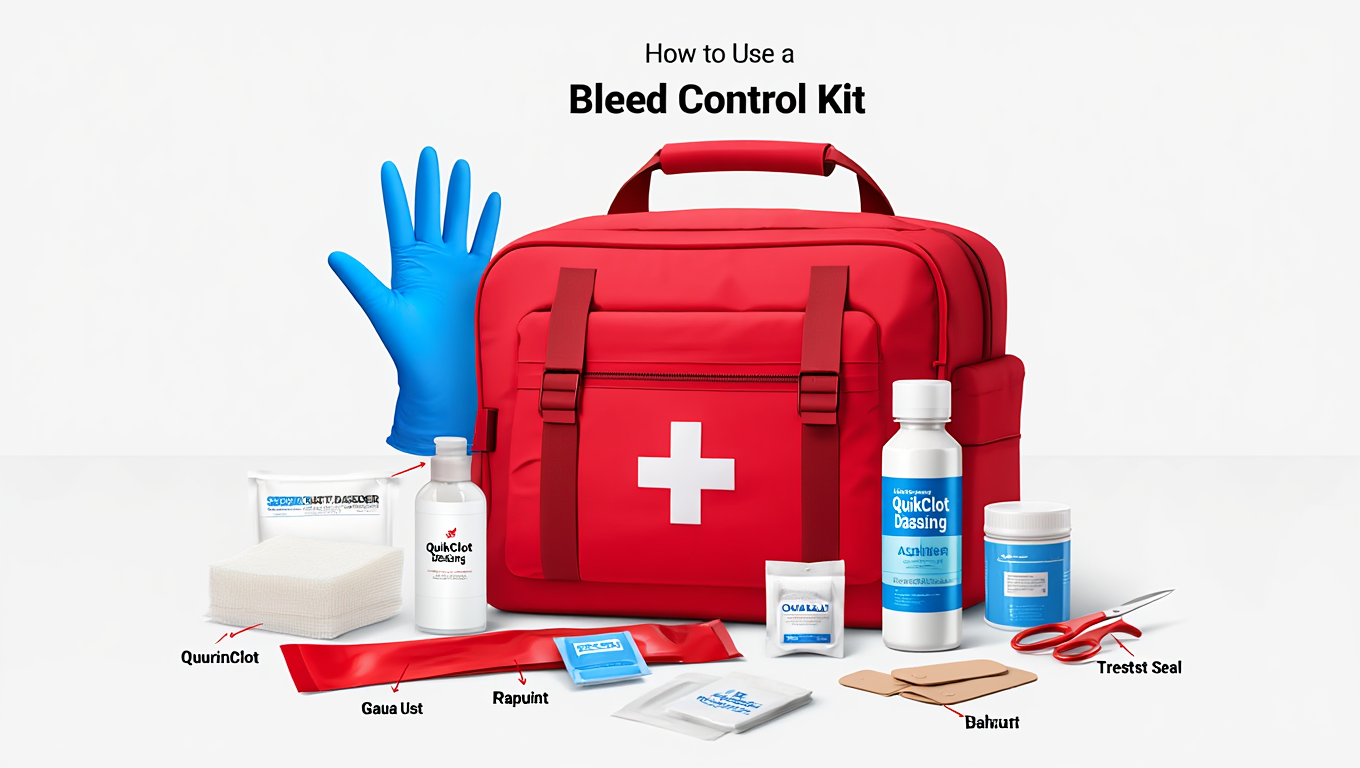
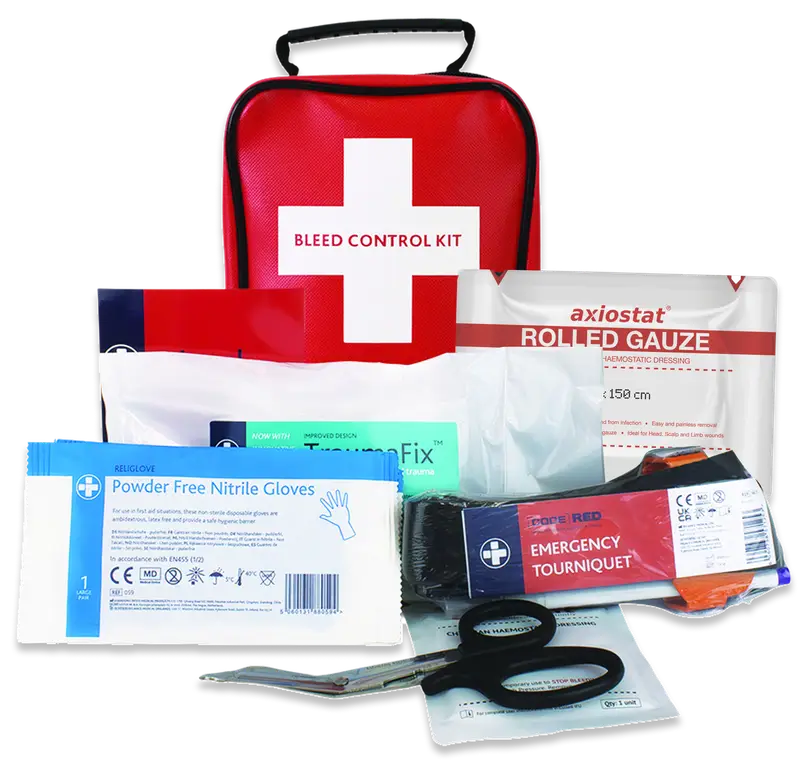
How to Use a Bleed Control Kit: Step‑by‑Step Instructions to Stop Severe Bleeding Timely training in the proper use of bleeding control kits during an emergency may be life-saving. The number one cause of avoidable death in traumatic injuries is excessive bleeding. Depending on how severe the trauma was, this amount of blood loss could result in death within minutes of sustaining an injury. Everyone needs to learn how to use emergency bleeding control kits correctly, irrespective of whether or not he/she has any training, because one can lose his/her life within just 1 minute if he/she loses 50% of their blood supply! Proper knowledge of how to use equipment can help anyone responding in an emergency act immediately. With easy access to bleeding control kits that contain all the needed equipment, you will be able to control bleeding right away and provide proper assistance to your patients. What Is a Bleed Control Kit? A bleed control kit is the general term used to describe any kit with a specific set of equipment used to control excessive bleeding due to serious injury. They are also known as haemorrhage bleeding control kits, depending on where the kit is used. Bleeding control kits are designed for use in life-threatening emergencies, unlike first aid kits, which are designed for minor injuries. Examples of life-threatening emergencies that would require a bleeding control kit include severe traumatic wounds, advanced (large amounts) bleeding from wounds, and/or wounds that a basic bandage cannot contain. Bleed control kits are also commonly used in the following scenarios: Motor vehicle accident Industrial accident and/or public emergency procedures Emergency Sports Activities Stabbings or shootings Natural disasters As a result of growing demands for emergency preparedness, many organizations and public places have begun adding stop the bleed kits to their current inventory of medical supplies to allow non-medical personnel to help in the event of an emergency (i.e., by using the kit contents). What’s Inside a Bleed Control Kit? Before using any bleeding control kit, it is important to understand what tools are inside and how they help. Each item has a specific purpose in managing severe bleeding. Axiostat Hemostatic Gauze This is a fast-acting gauze that helps blood clot quickly. It is especially useful for deep wounds and can work even in patients on blood thinners. It plays a key role in bleed control by actively stopping blood flow rather than just absorbing it. Combat Medical Training: Stopping Severe Parental Bleeding: An EMT’s Quick Reference Guide to Immediate Treatment – Tourniquet—a device used to control bleeding when standard controlling measures fail to stop bleeding. – Trauma Dressing/Pressure Dressing – maintains pressure on a bleeding area. – Gloves serve to protect the responder and the patient from infection. Always be sure to protect yourself first when controlling bleeding. – Trauma Shears – allow you to quickly cut through clothes to expose the wound; unless you can see the injury, you cannot treat it. – Bleeding Control Instruction Card – a simple guide to help you understand how the bleeding control kit works and use it properly, especially in a stressful situation. Step-by-step Guide to Control Severe Bleeding Act fast and remain calm. Follow the following procedures for bleeding control: Make sure that you are safe: Check for traffic or fire hazards. Before touching the victim, always put on gloves. Your safety is always the priority when attempting to control bleeding. Identify the Source of Bleeding Use trauma shears to expose the wound. • Look for heavy blood flow, deep cuts, or pooling blood. Locating the exact source helps you apply the right bleed control method quickly. Apply Direct Pressure with Hemostatic Gauze Open the Axiostat Hemostatic Gauze. • Pack it firmly into the wound. • Apply steady pressure for at least three minutes. This is one of the most critical bleeding control steps. Direct pressure combined with hemostatic gauze can stop bleeding effectively. Secure a Pressure Dressing Cover the injury using a trauma dressing. Bandage it tightly to ensure the pressure continues. This will make sure the control of the bleeding continues after your hands are no longer pressing on the site. Put on a Tourniquet (as needed) Use a tourniquet in cases of massive bleeding of the limbs. Make sure to position the tourniquet above the injury, away from the joints. Tighten the tourniquet until the bleeding stops. A tourniquet is an essential part of any hemorrhage control kit. Observe and Comfort the Victim Ensure that the victim is warm and calm. Look for any signs of shock. Make sure not to take off the dressing. Continued management is as important as the above-mentioned steps. Real‑Life Situations Where Bleed Control Saves Lives In many places, someone may get critically injured, which would increase their chance of survival when a bleeding control/stop the bleed kit is nearby. Several examples of instances when someone could experience life-threatening bleeding are: Involved in an automobile crash that caused severe or fatal injury to them Involved with machinery When there is a mass shooting/stabbing incident in a public space Outdoor injuries during hiking or sports Natural disasters (earthquakes, tornadoes) If you know how to control bleeding effectively, then the injured person does not go into shock, giving them a much better chance to survive. Conclusion Having a bleeding control kit can make the difference between a life lost and a life saved. Consequently, by knowing what type of bleeding control kit to use, you can properly aid anyone in your environment if they need assistance due to an emergency. To be able to help save someone’s life at any time is reason enough to store your bleeding control kit in a place where you will always have easy access to it (whether at home, at work, or while travelling). Frequently Asked Questions (FAQ) What is a bleed kit? Bleed kits are several different tools used in handling severe (massive) haemorrhaging during an emergency. Are there any important considerations for the use of a bleeding control … Read more

How to Choose the Right Trauma Kit for Your Environment

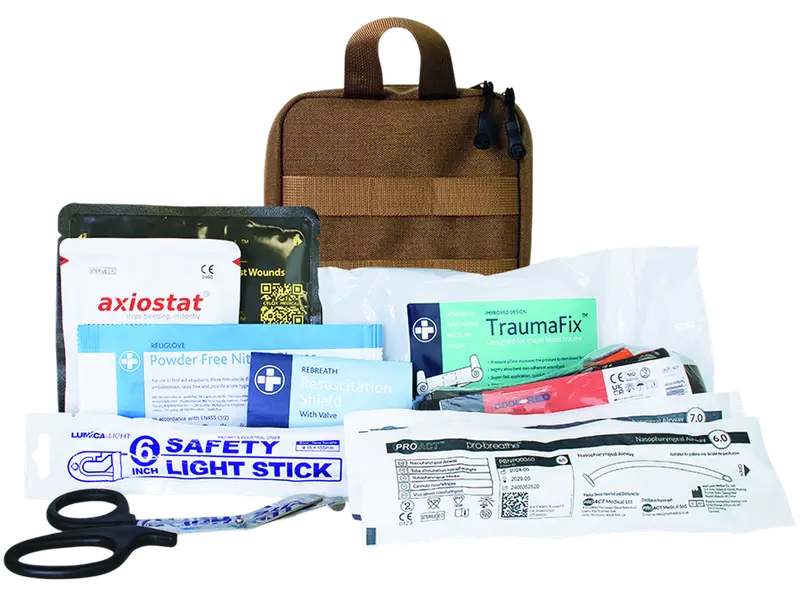
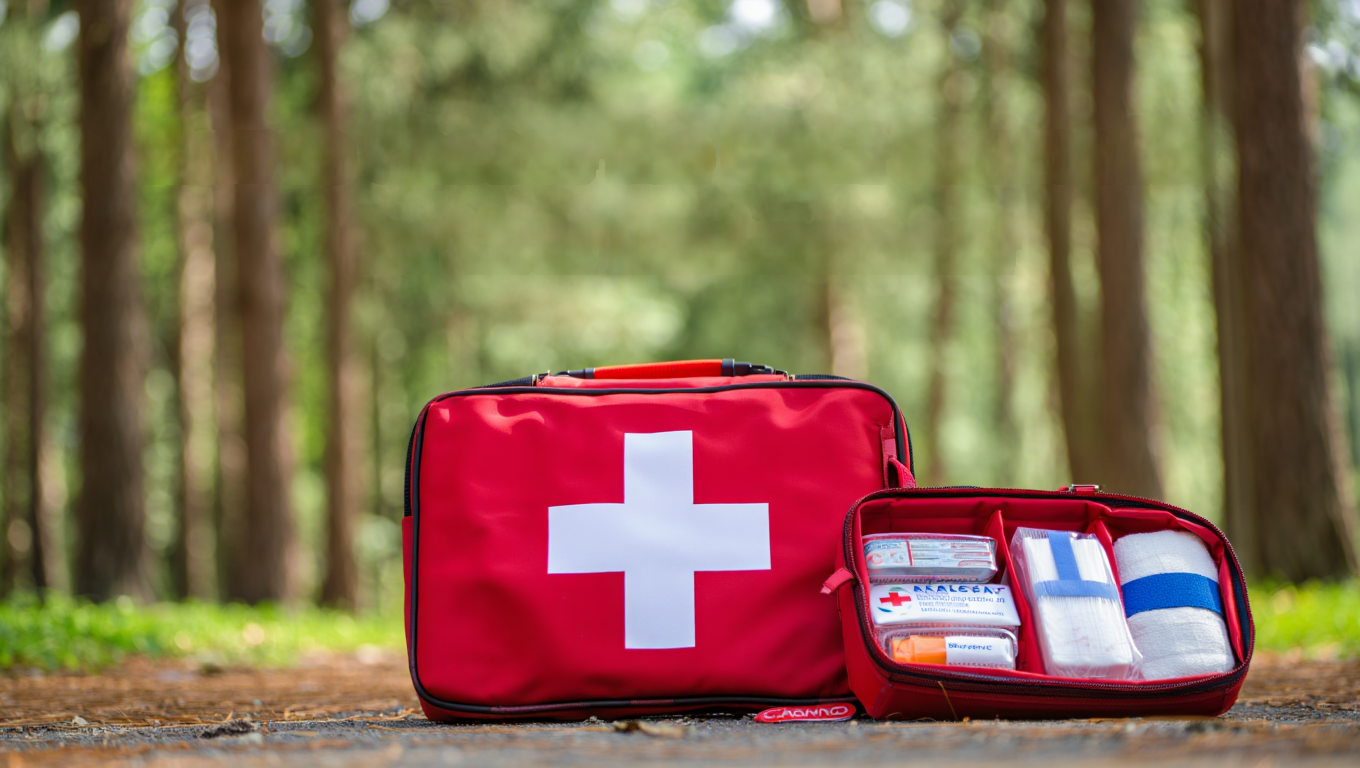
How to Choose the Right Trauma Kit for Your Environment Emergencies can happen at home, at work, or outdoors. Having the right tools on hand can save lives—so choosing the best trauma kit for your environment is crucial. This guide will help you understand the types of trauma kits, their key components, and how to pick the right one for your needs. Why Trauma Kits Are Essential Unlike basic first-aid kits, trauma kits are built to handle life‑threatening injuries—severe bleeding, airway obstructions, penetrating wounds, burns, and fractures. These injuries can cause death or permanent disability if not treated immediately. A proper trauma kit lets you respond quickly, deliver critical care, and save lives, especially in high‑risk settings. What Makes a Trauma Kit Different from a First‑Aid Kit? Axiostat is a chitosan-based hemostatic dressing trusted by trauma care teams around the world. Chitosan is a natural substance made from shellfish and has a positive charge. When you apply Axiostat to a bleeding wound, it attracts red blood cells and platelets, which are negatively charged. This helps form a strong clot faster and stops the bleeding First‑aid kits address minor injuries: small cuts, bruises, insect stings, and minor burns. Trauma kits are designed for serious, potentially fatal injuries that require rapid intervention. A comprehensive trauma kit usually includes: Hemostatic gauze for controlling severe bleeding Tourniquet for arterial bleeding in limbs Trauma dressings Chest seals for penetrating chest wounds Airway management tools Splints for fractures Gloves and trauma shears How to Choose the Best Trauma Kit for Your Environment 1. Assess Your Environment’s Risk Level High‑Risk Environments (construction sites, industrial plants, warehouses, remote outdoor areas, military or tactical operations, schools, public‑event venues)  Multiple tourniquets  Advanced hemostatic gauze (e.g., Axiostat Hemostatic Gauze)  Trauma dressings and chest seals  Splints and airway‑management tools  Moderate‑Risk Environments (offices, retail shops, small businesses, homes)  Single tourniquet  Hemostatic gauze  Trauma dressings  Optional airway‑management tools  Remote Environments (camping, hunting, wilderness expeditions)  Compact, lightweight supplies  Portable gear designed for longer‑duration wound management  2. Prioritize Life‑Saving Components Ensure your kit includes: Hemostatic Gauze (e.g., Axiostat) to stop bleeding quickly—even in patients on blood thinners  Tourniquet designed for rapid application under stress  Chest Seals to prevent air entry into chest‑wound cavities  Trauma Dressings to apply pressure and protect wounds  Airway‑Management Tools (nasopharyngeal airways, etc.)  Trauma Shears & Gloves for safe access and protection  3. Match Portability to Your Needs Vehicle Kit: Compact to medium, fits under a seat or in the glove box  Home Kit: Medium, stored centrally and accessibly  Workplace Kit: Multiple kits positioned throughout the facility  Outdoor Kit: Lightweight, waterproof, backpack‑ready  Tip: Choose a kit you’re willing to keep with you. Avoid bulky or hard‑to‑carry options. 4. Verify Quality and Compliance Look for certified, medical‑grade components.  Choose trusted brands used by professionals and the military (e.g., Axiostat).  Confirm compliance with local or national safety regulations.  Inspect your kit every 3–6 months: check expiration dates and replace expired or missing items. Why Axiostat Hemostatic Gauze Should Be in Every Trauma Kit Axiostat Chitosan Hemostatic Gauze is globally trusted for its: Proven effectiveness at quickly stopping severe bleeding Ability to work even on patients with impaired clotting Easy application—ideal for non‑medical users Battle‑tested performance in military and civilian settings Including Axiostat can mean the difference between life and death in critical emergencies. Final Thoughts Choosing the best trauma kit is simple when you: Understand the risks in your environment Select essential life‑saving components Ensure portability and ease of use Rely on trusted products like Axiostat Hemostatic Gauze Emergencies are unpredictable. Being prepared with the best trauma kit ensures you can act fast and save lives. Check your readiness today and equip yourself or your team with the right kit. Frequently Asked Questions (FAQ) What is the best trauma kit? One that includes Axiostat Hemostatic Gauze, tourniquets, trauma dressings, chest seals, airway tools, gloves, and trauma shears—and matches your environment’s risk level. Should I have a trauma kit at home? Yes. Serious injuries can occur anytime, and a trauma kit helps manage them before EMS arrives. How do I choose the best trauma kit for the workplace? Assess workplace hazards and select a kit with supplies suited to those risks—more advanced for higher‑risk industries. Why is Axiostat Hemostatic Gauze recommended? It stops bleeding fast, works on patients with clotting issues, and is trusted worldwide. How often should I check my trauma kit? Every 3–6 months. Replace expired items and restock any missing tools. Related Insights All Posts Blog How to Choose the Right Trauma Kit for… Workplace Safety: How Bleed Control Kits Can Save… Why Every School Should Have a Bleed Control… Get in touch today! We are happy to provide you with assistance and support regarding any inquiries or questions you may have. [email protected] (+91) 88607 86067 Axio Biosolutions Private Limited, Ahmedabad, Gujarat, India
Workplace Safety: How Bleed Control Kits Can Save Lives in Industrial Accidents

industrial safety kit

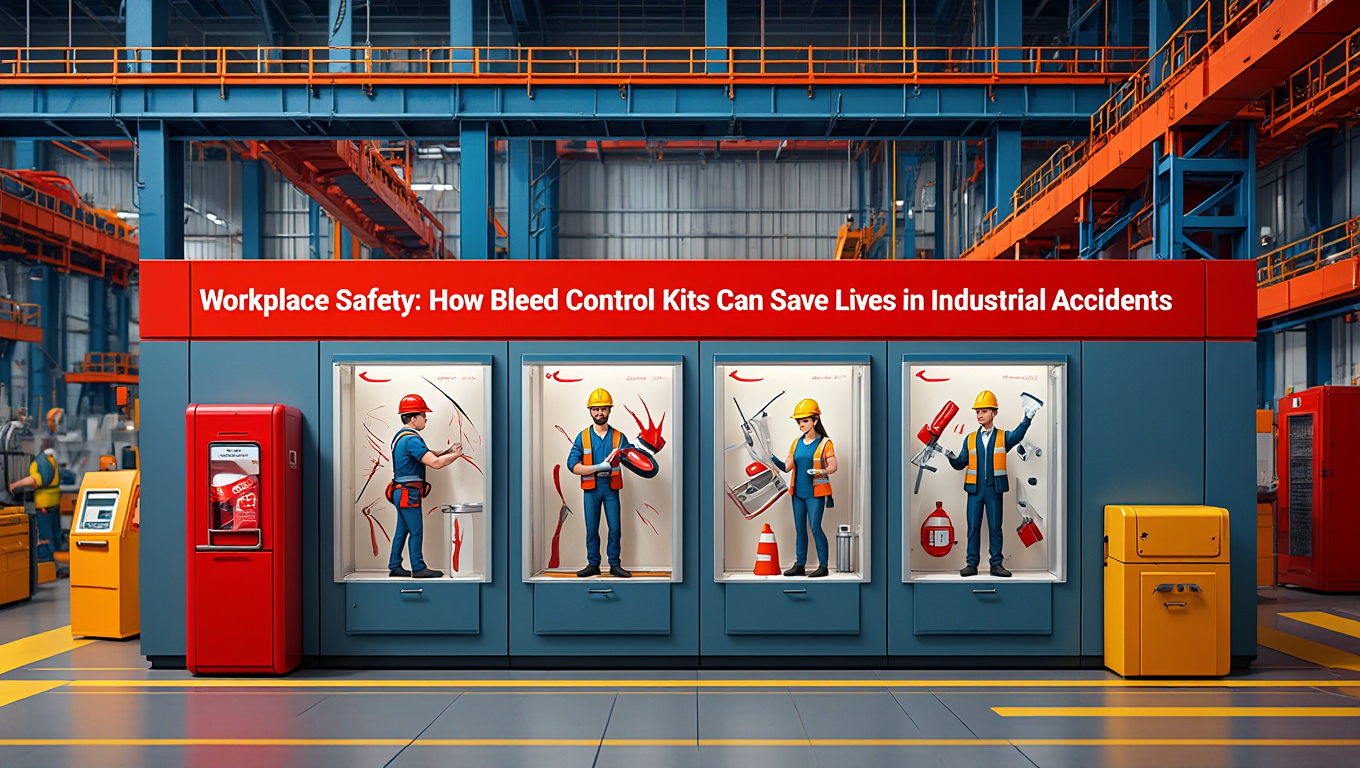
Workplace Safety: How Bleed Control Kits Can Save Lives in Industrial Accidents Having a well‑equipped industrial safety kit or workplace trauma kit is critical in high‑risk environments like factories, warehouses, and construction sites. These workplaces are full of hazards such as heavy machinery, sharp tools, and dangerous materials, which can lead to serious accidents in no time. Among the most life‑threatening outcomes is severe bleeding, also called traumatic hemorrhage. In such cases, time is everything. Without immediate intervention, even a treatable injury can become fatal. That’s why bleed control kits aren’t just useful—they’re essential. In this blog, we’ll explore how adding bleed‑control tools to your emergency response plan can strengthen workplace safety, empower your team, and potentially save lives when every second matters. The Reality of Industrial Accidents Every year, thousands of workers suffer serious injuries in industrial environments due to: Machinery entanglements Sharp‑tool injuries Falls from height Electrical burns Penetrating injuries Crushed limbs or amputations In high‑risk workplaces like factories, warehouses, and construction sites, severe bleeding is a leading—but often preventable—cause of death. Many fatalities result from uncontrolled hemorrhage, but quick action can save lives. That’s why every industrial safety kit should include a workplace trauma kit with bleeding‑control tools for a fast, effective response. What Is a Bleed Control Kit? A bleed control kit is a specialized set of medical tools designed to stop life‑threatening hemorrhages, especially from serious injuries. Unlike a basic first‑aid kit that treats small cuts and burns, a bleed control kit is intended for severe injuries involving major arteries or veins. When you add this kit to your industrial safety supplies, you’ll have essential items such as: Hemostatic dressings Tourniquets Trauma dressings Airway‑support tools (optional) Gloves, shears, and easy‑to‑follow instructions These tools save lives and often meet international safety standards for high‑risk workplaces. Why Every Industrial Safety Kit Should Include a Bleed Control Kit Accidents Can Happen Anytime, Anywhere In industrial settings, accidents often occur without warning. When they do, there’s no time to wait for emergency responders: Severe bleeding can cause death in just three to five minutes. Emergency response times may exceed that, especially in remote or large facilities. Without fast action, victims can go into shock or suffer long‑term damage. Having a bleed control kit as part of your workplace trauma kit enables on‑site responders—team leads, coworkers, or safety officers—to act immediately and potentially save lives. Empowers Employees to Save Lives Providing your team with a bleed control kit, along with basic training, helps: Employees stay calm and act fast during emergencies. Build a culture of safety, responsibility, and teamwork. Increase trust and morale across the workforce. With tools like Axiostat Hemostatic Gauze or a quality tourniquet, trained staff can take action while waiting for medical help. Meets Occupational Health & Safety Standards Many industries now require or recommend bleeding‑control tools in their emergency supplies. Staying compliant can: Reduce legal risks and liabilities. Help pass safety inspections or audits. Lower injury claims and insurance costs. Improve safety ratings from regulatory bodies. Upgrading your industrial safety kit to include a bleed control kit demonstrates your commitment to worker safety and preparedness for real emergencies. What to Include in a Workplace Trauma Kit When updating your workplace trauma kit, include the right bleeding‑control tools. Here are the essentials: Tourniquet A high‑quality, easy‑to‑use tourniquet is essential for stopping severe limb bleeding. Trauma/Pressure Dressing These dressings apply firm pressure to control bleeding after applying gauze. Gloves and Trauma Shears Protect responders and facilitate clothing removal around the wound. Quick‑Reference Instruction Guide Even trained staff benefit from a clear, step‑by‑step guide during emergencies. These tools turn your industrial safety kit into a life‑saving resource. Where Should Bleed Control Kits Be Placed? Place bleed control kits in key areas for fast access during emergencies, such as: Near heavy machinery On production floors In warehouse zones At site entrances and exits In supervisor offices or first‑aid rooms Quick access can save lives. Ensure your team knows each kit’s location and receives basic training to use it effectively. Real‑World Scenarios: When a Bleed Control Kit Makes the Difference Industrial saw incident: A worker cuts a major artery; a tourniquet from the nearby trauma kit is applied immediately, saving his life. Machine crush injury: Axiostat Hemostatic Gauze helps stop severe bleeding until emergency services arrive. Forklift accident: Coworkers use pressure dressings and elevate the injured leg to reduce blood loss. In each case, having the right tools on hand made a life‑saving difference. Final Thoughts In industrial settings, every second counts during severe injuries. A basic first‑aid kit cannot handle massive bleeding or traumatic wounds. Upgrading your industrial safety kit with a complete workplace trauma kit—including Axiostat Hemostatic Gauze, tourniquets, and trauma dressings—can help you: Increase survival chances Boost team confidence Meet safety standards Promote a strong safety culture Don’t wait for an emergency. Be prepared and protect your people now. Frequently Asked Questions (FAQ) Why is a bleed control kit important in industrial settings? Industrial sites feature heavy machinery and sharp tools. Bleed control kits help manage severe injuries like arterial bleeding, improving survival chances before emergency help arrives.  What should be in a workplace trauma kit? A complete workplace trauma kit should include:  Axiostat Hemostatic Gauze  Tourniquet  Trauma dressing  Gloves  Trauma shears  Clear instruction guide  How is a bleed control kit different from a first‑aid kit? First‑aid kits treat minor injuries; bleed control kits handle serious hemorrhages with advanced tools not found in standard kits.  Where should we place bleed control kits in our facility? Place them near heavy machinery, production zones, and entry/exit points. They should be clearly marked and easy to reach.  Is Axiostat Hemostatic Gauze safe and effective? Yes. Axiostat is a proven, military‑grade gauze that quickly stops bleeding. It’s safe, easy to use, and perfect for industrial trauma care. Related Insights All Posts Blog How Does a Hemostat Stop Bleeding Choosing the Right Hemostatic Gauze for Trauma Management:… The Hidden Power of Hemostatic Dressing in Modern… Get in touch today! We are happy … Read more

Why Every School Should Have a Bleed Control Kit

Why Every School Should Have a Bleed Control Kit School is not just a place for studying—it’s also a space for personal growth, self‑empowerment, and discovering extracurricular talents. However, we can’t expect everything to go smoothly every day. Emergencies can happen—such as severe bleeding during playtime or sports events. In such situations, having a dedicated bleed‑control kit on campus is essential. In this blog, we’ll explain why bleed‑control kits are crucial, what they typically contain, and how they can be lifesaving in critical bleeding emergencies. The Importance of Bleed Control in Schools Massive blood loss or hemorrhage can lead to death. In some cases, a victim can bleed to death in as little as three to five minutes if life‑saving intervention isn’t provided. Sadly, schools can experience incidents that cause serious blood loss, such as: Playground injuries Sports accidents Lab or workshop mishaps Acts of violence Natural disasters (earthquakes, storms) How a Bleed‑Control Kit Complements Student Safety Kits Adding a bleed‑control kit helps teachers and staff respond immediately during emergencies, protecting students in a smart, caring way. While regular first‑aid supplies aren’t effective for massive or internal bleeding, a bleed‑control kit is designed for serious situations like deep cuts or heavy hemorrhage. Even older students can use the Axiostat kit quickly and easily. Including these kits in schools demonstrates genuine responsibility and a true commitment to student safety. What Should Be in a Bleed‑Control Kit for Schools? A good kit should be user‑friendly—even without extensive training—yet equipped with the right tools to save lives: Axiostat Hemostatic Gauze Works rapidly in emergency bleeding situations and is easy for anyone to apply.  Tourniquet Essential for controlling severe limb bleeding.  Trauma Dressing & Pressure Bandages Apply sustained pressure to wounds, helping control bleeding and protect the injury.  Disposable Nitrile Gloves Protect responders from bloodborne pathogens.  Trauma Shears Cut through clothing quickly to access wounds.  Quick‑Reference Instruction Guide Clear, simple steps to help staff stay calm and respond correctly. Why Every School Needs a Bleed‑Control Kit Schools Are High‑Risk Environments Active, high‑energy places where accidents and emergencies can happen anytime—on sports fields, in gymnasiums, playgrounds, science labs, art rooms, or during field trips. Having a bleed‑control kit on hand means being ready to respond immediately to serious bleeding injuries.  EMS Response Times Vary Emergency responders can take five to ten minutes (or longer in rural areas) to arrive. Since severe bleeding can be fatal within three to five minutes, on‑site kits save crucial time.   Empowers Teachers & Staff When staff know where kits are located, how to use them, and when to deploy them, they feel confident and ready to respond effectively.  Builds Confidence Among Parents & Community Including bleed‑control kits in your safety plan reassures parents, builds trust within the community, and aligns with best practices used worldwide. Final Thoughts Severe bleeding emergencies are rare, but when they occur, having the right tools—like a bleed‑control kit—can save lives. Adding one to your school’s safety equipment is a smart, proactive step. With trusted tools such as Axiostat Hemostatic Gauze, staff can act swiftly and confidently. Don’t wait—prepare your school today. Frequently Asked Questions (FAQ) Where should bleed‑control kits be placed? In high‑traffic or high‑risk areas, such as: School offices  Gymnasiums  Cafeterias  Playgrounds  First‑aid stations  Student safety kits in classrooms  What’s in a bleed‑control kit? A reliable kit includes: Axiostat Hemostatic Gauze  Tourniquet  Trauma dressing  Disposable gloves  Trauma shears  Easy‑to‑follow instructions  Who can use a bleed‑control kit? With basic training, anyone—teachers, coaches, or staff—can use it. They’re often the first responders in emergencies.   Should bleed‑control kits be part of student safety kits? Absolutely. They enhance safety by ensuring a fast, effective response to bleeding emergencies. Related Insights All Posts Blog How Does a Hemostat Stop Bleeding Choosing the Right Hemostatic Gauze for Trauma Management:… The Hidden Power of Hemostatic Dressing in Modern… Get in touch today! We are happy to provide you with assistance and support regarding any inquiries or questions you may have. [email protected] (+91) 88607 86067 Axio Biosolutions Private Limited, Ahmedabad, Gujarat, India
Top 5 Situations Where a Bleed‑Control Kit Can Be a Life Saver

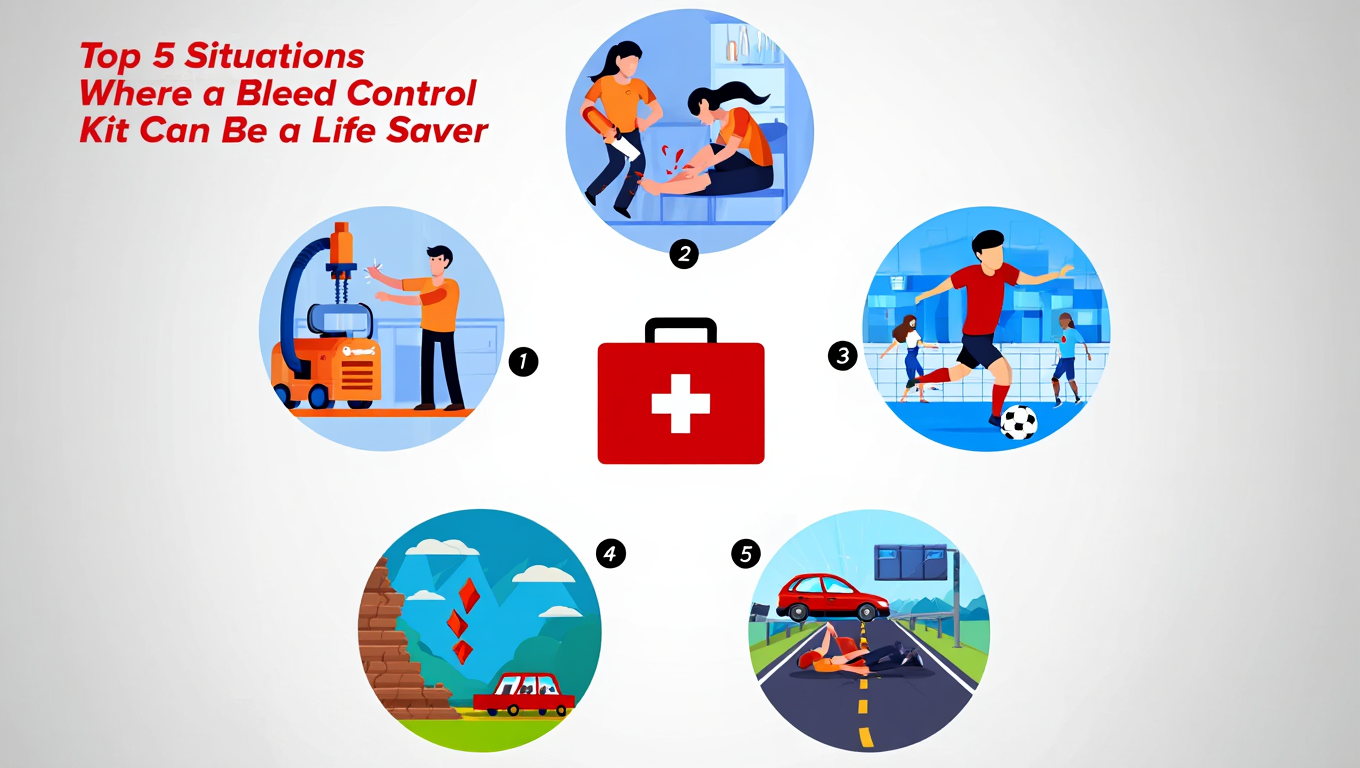
Top 5 Situations Where a Bleed‑Control Kit Can Be a Life Saver Accidents and emergencies can strike without warning. In those moments, severe bleeding becomes one of the most urgent threats to life. Whether you’re a trained responder or someone nearby, knowing when to use a bleed‑control kit can mean the difference between life and death. Packed with essentials like Axiostat Hemostatic Gauze, tourniquets, and trauma dressings, these kits stop bleeding fast. So when are they most critical? In this blog, we’ll cover five life‑saving situations. Why Bleed‑Control Matters Rapid fatality risk: Severe bleeding (exsanguination) can cause death within minutes if not treated immediately. Critical blood loss: Losing over 40% of your total blood volume is often fatal. Time to death: A victim can bleed out in just 3–5 minutes without effective control. Delayed responders: Emergency teams may not arrive in time. That’s why bleed‑control kits are now recommended for schools, workplaces, public venues, and personal emergency packs. What’s in a Bleed‑Control Kit? Before exploring those five situations, here’s what you’ll typically find inside: Axiostat Chitosan Hemostatic Gauze — controls severe bleeding and promotes rapid clot formation Tourniquet — for managing critical limb bleeding Gloves — to protect the responder Trauma shears — to cut clothing and access wounds Airway tools (in advanced kits) Quick‑reference guide — for fast, effective action Top 5 Situations Where a Bleed‑Control Kit Can Be a Life Saver Road‑Traffic Accidents Vehicle crashes often produce traumatic bleeding—both external and internal. Victims can suffer:   Deep cuts and lacerations Life‑threatening arterial bleeding Amputations Penetrating wounds caused by glass, metal, or debris In these emergencies, every second counts. Equipping police cars, ambulances, and personal vehicles with bleed‑control kits means you can:   Pack wounds quickly with hemostatic gauze Apply a tourniquet to stop severe limb bleeding Use trauma dressings to maintain firm pressure Every minute saved can mean a life saved. Industrial & Workplace Accidents Worksites with heavy machinery and sharp tools are prone to serious bleeding injuries, such as:   Deep lacerations Severed fingers or limbs Crush injuries Penetrating wounds Industries like construction, manufacturing, warehousing, mining, and oil & gas are especially high‑risk. A bleed‑control kit in every safety station helps reduce blood loss before first responders arrive. Acts of Violence & Mass‑Casualty Incidents Public‑violence events (shootings, stabbings) often overwhelm emergency services, which may be delayed while securing the area. Placing bleed‑control kits in airports, malls, stadiums, schools, and transit hubs empowers trained bystanders to:   Pack wounds with Axiostat Hemostatic Gauze Apply tourniquets to stop limb bleeding Battlefield & Tactical Environments Military personnel face blast wounds and gunshot injuries. A military‑grade bleed‑control kit is part of every soldier’s personal gear, enabling them to:   Pack and seal blast injuries Control hemorrhage from gunshot wounds Apply tourniquets for amputations or severe limb trauma Stabilize multiple casualties Axiostat Hemostatic Gauze is trusted in combat for its rapid clotting—even when patients are on blood thinners or in shock. Outdoor & Adventure Emergencies Hikers, climbers, hunters, and adventurers often find themselves far from help. Common injuries include:   Falls from heights Animal attacks Hunting accidents Severe cuts from terrain or tools In remote settings, a bleed‑control kit lets you:   Pack deep wounds with hemostatic gauze Apply tourniquets for critical limb injuries Every wilderness guide and expedition leader should carry a compact bleed‑control kit. Preparedness can prevent a minor injury from becoming life‑threatening. Final Thoughts Severe bleeding is one emergency anyone can address with the right tools and training. Now that you know when to use a bleed‑control kit, consider how these kits help in: Vehicle crashes Workplace accidents Violent incidents Battlefield scenarios Outdoor emergencies Axiostat Bleed‑Control Kits—trusted by military, first responders, and civilians—work when it matters most. Frequently Asked Questions (FAQ) When should I use a bleed‑control kit?Any time you encounter severe bleeding that basic first aid won’t stop—car crashes, workplace injuries, violent events, combat wounds, or outdoor trauma.   What’s the first step when using a bleed‑control kit? Ensure your safety, don gloves, locate the bleeding source, and apply hemostatic gauze or a tourniquet as needed.   Who should carry a bleed‑control kit? Police, EMS, military, workplace safety officers, school staff, and trained civilians.   What makes Axiostat Hemostatic Gauze effective? Its chitosan polymer rapidly forms clots—even in patients on blood thinners or with clotting difficulties.   How often should kits be inspected? Check every 3–6 months to ensure all components are present, sterile, and unexpired. Related Insights All Posts Blog How Does a Hemostat Stop Bleeding Choosing the Right Hemostatic Gauze for Trauma Management:… The Hidden Power of Hemostatic Dressing in Modern… Get in touch today! We are happy to provide you with assistance and support regarding any inquiries or questions you may have. [email protected] (+91) 88607 86067 Axio Biosolutions Private Limited, Ahmedabad, Gujarat, India
Why Chitosan-Based Dressings Are the Future of Hemostasis: A Deep Dive into Axiostat

Why Chitosan-Based Dressings Are the Future of Hemostasis: A Deep Dive into Axiostat The Critical Role of Hemostasis in Trauma and Emergency Care Stopping bleeding—also known as hemostasis—is one of the most important steps during a medical emergency. Whether it’s a battlefield injury or a roadside accident, controlling blood loss quickly can mean the difference between life and death. In the past, people used pressure dressings, regular gauze, or chemical agents like kaolin to stop bleeding. These methods often came with issues—slow clotting, higher infection risk, or not working well for all wound types. That’s why chitosan-based dressings are gaining global attention as a better solution. What Is Chitosan and Why Is It Great for Hemostasis? The first thing to mention about chitosan is that it is a natural compound extracted from chitin, the substance contained in the shells of shrimps and crabs. The conversion process is simple enough to be used in medicine. Although it originates from a common product, chitosan possesses many unique qualities that make it an excellent agent for managing bleeding. First, chitosan can boast a significant advantage associated with its positively charged nature. In turn, red blood cells and platelets have a negative charge. Thus, the moment chitosan contacts blood, it starts attracting its components and causing them to aggregate. This process accelerates coagulation and leads to faster blood flow cessation compared to ordinary materials. Furthermore, chitosan is capable of creating an effective physical barrier at the site of the wound. Thus, in addition to helping clot formation, chitosan forms a protective layer covering the lesion. Chitosan has intrinsic antimicrobial activity. This means that it could help minimize infections by preventing bacterial proliferation on the injury site. This is particularly vital in emergencies when injuries may be contaminated with dirt or other foreign bodies. Moreover, it has excellent biocompatibility and biodegradability. The substance does not damage the biological tissues or systems and decomposes on its own eventually. Thus, it can be safely utilized for therapeutic purposes. Finally, the most significant benefit of chitosan lies in its independent mechanism of action from the physiological processes in the human body. In particular, it means that chitosan can help stop bleeding even in individuals with certain bleeding disorders or those under anticoagulant medications. In such instances, conventional treatments would require more time; however, chitosan is capable of addressing the problem much faster. For all these reasons, chitosan has been recognized as one of the main components in contemporary hemostatic dressings and wound care products. Meet Axiostat: India’s Leading Chitosan-Based Hemostatic Dressing Axiostat, created by Axio Biosolutions, is an advanced wound dressing that uses chitosan to stop bleeding fast. Unlike traditional bandages, Axiostat can control bleeding in under 3 minutes—no harsh pressure or added chemicals required. It has already been used in over 2 million procedures—in ambulances, battlefield situations, and emergency care in over 40 countries. Axiostat is CE-certified, CDSCO-approved, and trusted by trauma specialists around the world. Why Axiostat Stands Out Real-World Use Cases: Axiostat in Action Axiostat isn’t just for hospitals. Here’s how it helps in real emergencies: Military and DefenseUsed by the Indian Armed Forces to manage battlefield injuries. It’s reliable when time and resources are limited.  Road Accidents and Ambulance CareParamedics and first responders use Axiostat to stop bleeding quickly and keep patients stable until they reach the hospital.  Because it’s simple, safe, and portable, Axiostat is now one of the most trusted hemostasis solutions in both civilian and military emergencies. Chitosan vs Traditional Hemostasis Products: A Quick Comparison Feature Chitosan Dressings (Axiostat) Traditional Gauze Kaolin-Based Agents Time to Hemostasis 2–3 minutes 5–10 minutes 3–5 minutes Antimicrobial Yes No No Residue-Free Yes No No Biocompatible Yes Yes Variable Requires Pressure Moderate High Moderate As the chart shows, chitosan-based hemostasis solutions are quicker, cleaner, and more effective for emergency use. Environmental and Clinical Advantages of Chitosan Chitosan is not only effective, it’s also eco-friendly. It’s made from discarded shrimp and crab shells, turning waste into a life-saving material. It also biodegrades naturally, which supports more sustainable healthcare practices. Medically, chitosan works independently of the body’s natural clotting ability. That makes it especially useful for people on blood thinners or those with clotting problems. In addition, chitosan-based dressings are known for their safety and compatibility with human tissue. They are gentle on the skin and reduce the risk of irritation, making them suitable for a wide range of patients. Because they also help limit bacterial growth, they support cleaner wound care and better healing outcomes in both emergency and clinical settings.  FAQs: Everything You Need to Know About Chitosan Dressings Are chitosan dressings safe for all skin types?Yes! Axiostat is hypoallergenic and biocompatible, making it safe for sensitive skin. How quickly does Axiostat stop bleeding? Usually within 2–3 minutes, even for moderate to severe injuries. Can Axiostat be used on arterial bleeding? Yes, it is designed to work on arterial, venous, and capillary bleeding. What is the shelf life of chitosan dressings?Axiostat generally has a shelf life of 3 years, if stored properly. Do I need a prescription to buy Axiostat?No. Axiostat is available without a prescription and can be used by paramedics, first responders, or even trained civilians. 6. How is Axiostat different from kaolin-based dressingsUnlike kaolin dressings, Axiostat leaves no residue, has antimicrobial action, and does not require constant pressure. Conclusion: The Future Is Now with Chitosan Dressings Like Axiostat When every second counts, you need a wound dressing that works fast, safely, and effectively. Chitosan-based dressings, especially Axiostat, are changing the way we control bleeding during trauma and emergencies. Whether you’re a soldier, paramedic, or someone who wants to be prepared, Axiostat gives you the power to save lives anytime, anywhere. It is meant to be easy to use, especially during emergencies when speed is of the essence. Having the correct solution readily available can prove essential in achieving positive results and potentially save many lives. Want to learn more or buy Axiostat?Visit the official website: https://axiostat.com Related Insights All Posts Blog Hemostatic … Read more

What’s Inside a Bleed Control Kit & How to Use It

what’s in a bleed control kit

What’s Inside a Bleed Control Kit & How to Use It Sometimes, professional help might take time to arrive. In those few minutes, you or someone nearby may need to act. A bleed control kit gives you the tools to control severe bleeding and keep the person alive until help arrives. Because of this, many public places like schools, malls, and airports are now keeping bleed control kits in visible, easy-to-access spots. What’s in a Bleed Control Kit? Let’s go step by step and look at what’s in a bleed control kit. Most kits come with basic items that help stop bleeding fast. Some may have extras, depending on the type of place or user. Axiostat Hemostatic Gauze This is one of the most important things inside. It’s not just regular gauze. It’s made with a special material called chitosan that helps your blood clot quickly. Axiostat Hemostatic Gauze is trusted by doctors, paramedics, and even the military. It works well on deep wounds and doesn’t need your body to start clotting—it helps the process happen faster. Tourniquet This tool is used when the bleeding is too heavy and from an arm or leg. You place it above the wound and tighten it to stop the blood flow. It’s especially helpful for serious injuries. Gloves Gloves protect both you and the person you’re helping. You don’t want to touch blood with bare hands. Most kits include strong nitrile gloves. Airway Tools (Optional) Some advanced kits may also have tools to keep a person’s airway open. These are more common in kits used by trained professionals. Instruction Card Emergencies are stressful. A simple step-by-step card inside the kit can help guide you, even if you’re nervous. Compact Case Everything is packed inside a durable, compact case that makes transportation and handling convenient even in difficult conditions, such as in industrial facilities, in cars, or outdoors. How to Use a Bleed Control Kit Having learned about the components of a bleed control kit, now let’s learn how to properly use the components of a bleed control kit. Here is the step-by-step process consisting of 6 steps. Step 1: Safety First Before doing anything else, survey the environment and ensure your safety. Do not expose yourself to potential dangers. Use gloves before contacting any blood. Step 2: Locate the Source of Bleeding Search for any spurting, pooling blood, and blood-stained clothing. It is indicative of the bleeding site. Step 3: Use Axiostat Gauze Unwrap the Axiostat Hemostatic Gauze and pack it into the wound deeply. Put pressure on it for at least 3 minutes. Step 4: Use Tourniquet (if required) If the bleeding comes from an extremity and doesn’t stop, apply a tourniquet a few inches above the wound and compress it tightly till the bleeding stops. Don’t forget to note the time of application. Step 5: Watch the Person Closely Look for signs of shock like pale skin, weak pulse, or fast breathing. Keep the person calm and warm. Wait with them until help arrives. Where Should You Keep a Bleed Control Kit? A bleed control kit is only helpful if it’s nearby when something happens. Here are the best places to keep one: In schools, classrooms, and staff rooms At workplaces and factories Inside police vehicles or fire trucks At malls, train stations, and event venues In personal cars, especially during road trips With outdoor adventure groups or construction teams Why Axiostat Hemostatic Gauze Makes a Difference Not all gauze works the same. Axiostat Hemostatic Gauze is known for a few clear advantages: Works even if the person has blood clotting issues Safe for everyone, including children and elderly people Doesn’t stick to the wound—easy to remove later Used by military and doctors all over the world No complicated steps—just pack and press Kits that include Axiostat are considered high-quality and more reliable in serious emergencies. Why Bleed Control Training Is Becoming More Common Numerous cities around the United States are recommending that their teachers, workplace employees, security personnel, and citizens undertake a bleed control class that will enable them to identify serious bleeding and deal with it while waiting for medical aid. A little bit of bleed control done earlier than it should can significantly decrease blood loss and ensure that recovery takes place. It is important that, in case a bleed control kit is present, people can easily react to emergencies due to the knowledge they have regarding the usage of such kits. Conclusion  Bleed control kit components and their application can make you a lifesaver in times of emergency. Such kits are useful not only for professionals but also for anyone else who wants to be prepared to help. Preparation time has arrived. Do not wait for emergencies to find out about the importance of bleed control kits and keep one of them in your car, house or place where you work. While choosing one, remember to opt for Axiostat Hemostatic Gauze. Frequently Asked Questions (FAQs) 1. What’s in a bleed control kit? A typical bleed control kit includes: Axiostat Hemostatic Gauze Tourniquet Gloves Airway management tools (optional) Quick reference guide Rugged carry case 2. How to use bleed control kit on a severe wound? Use hemostatic gauze to pack the wound, apply firm pressure for 3+ minutes, then cover with a trauma dressing. For limb injuries with massive bleeding, apply a tourniquet above the wound. 3. Who should have access to a bleed control kit? Everyone should know where bleed control kits are located: Emergency responders Workplace safety officers Teachers and school staff Public venue operators Military and tactical teams Trained civilians 4. Can I use a bleed control kit without medical training? Yes! Bleed control kits are designed for use by both trained professionals and the general public. Many kits include clear, easy-to-follow instructions for use. Related Insights All Posts Blog How Long Does It Take a Hemostatic Dressing… How to Prepare for Injuries During Hiking How to Stop Severe Bleeding Before Paramedics Arrive? Get … Read more

Why the Axiostat Bleed Control Kit is Essential for Every Emergency Response Team

Why the Axiostat Bleed Control Kit is Essential for Every Emergency Response Team In emergencies involving severe bleeding, such as road accidents, industrial mishaps, natural disasters, or combat situations, time is everything. A victim can lose their life in just a few minutes without immediate intervention. That’s why every emergency bleeding kit should include the Axiostat Bleed Control Kit. This purpose-built solution is designed to control severe bleeding rapidly and effectively, even in the most critical moments. Trusted by first responders, military personnel, police, and safety officers, the Axio Bleeding Kit empowers users to act fast and save lives when it matters most. It’s a vital addition to any emergency preparedness plan. What Is the Axiostat Bleed Control Kit? The Axiostat Bleed Control Kit is a compact, ready-to-use solution designed to help emergency responders handle massive bleeding and trauma effectively at the scene. Created by Reliance Medical, it features the advanced Axiostat Chitosan Hemostatic Gauze, which helps stop bleeding quickly especially when conventional methods fall short. Designed for fast deployment, the kit includes essential tools such as: Axiostat Chitosan Hemostatic Gauze Hemorrhage control supplies Airway management tools Key trauma care essentials Lightweight, tough, and highly reliable, the Axiostat Bleed Kit is ideal for high-risk situations. Its proven effectiveness makes it a critical addition to any emergency or trauma response plan—when every second matters. Why Bleed Control Is Critical in Emergencies Severe bleeding is a top cause of preventable death in trauma, responsible for over 30% of trauma-related fatalities. With only minutes to act, quick bleeding control is crucial. In emergencies where hospital access is delayed—like natural disasters or industrial accidents—the Axiostat Bleed Control Kit provides first responders and trained bystanders with the tools needed to stop bleeding fast and stabilize victims, greatly improving survival chances. Key Features of the Axiostat Bleed Control Kit Why the Axiostat Bleed Control Kit Is a Must-Have for Every Emergency Response Team Compact & Easy to Carry Anywhere The Axiostat Bleed Control Kit is designed to be lightweight, compact, and highly portable. Whether it’s a school, office, industrial facility, remote outdoor setting, or even an active combat zone, this kit is built for easy deployment wherever it’s urgently needed. Includes Essential Bleeding & Trauma Care Tools This all-in-one emergency solution is packed with the critical components needed to handle massive bleeding and traumatic injuries effectively: Axiostat Hemostatic Gauze for fast clotting Pressure dressings Airway management tools Other trauma care essentials Each item is carefully chosen to ensure immediate, lifesaving support during high-stress incidents. Hemorrhage Control & Airway Management Severe bleeding and blocked airways are the top causes of preventable deaths in trauma cases. The Axiostat Bleed Control Kit gives responders the ability to handle both threats at once—helping to greatly improve survival chances in the field. Organized for Instant Deployment In an emergency, speed is everything. That’s why the Axiostat Bleed Kit is clearly organized with a logical layout, allowing users to quickly locate and access the right tools—even in chaotic, high-pressure environments. Built Tough for Unpredictable Conditions Emergencies don’t happen in perfect settings. From war zones to disaster areas, this kit is designed to withstand the harshest environments, ensuring durability when it matters most. Dedicated Bleeding Control Kit Unlike general first aid kits, the Axiostat Bleed Kit is purpose-built for hemorrhage control. It ensures responders have access to effective, specialized tools for managing trauma and heavy bleeding control in critical moments. Why Every Emergency Response Team Needs the Axiostat Bleed Control Kit Complements Natural HemostasisThe body’s natural clotting helps with minor wounds, but severe trauma needs more. The Axiostat Hemostatic Gauze in the Axiostat Bleed Control Kit accelerates clotting and seals wounds quickly—even in patients on blood thinners or with clotting issues—giving responders a critical advantage when every second counts. Saves Lives in the FieldSeconds matter in trauma care. Having the Axiostat Bleed Control Kit at hand means that paramedics, police officers, soldiers, or bystanders can take immediate action—potentially saving lives before an ambulance arrives. Increases Public PreparednessAcross the globe, health authorities are advocating for public access to bleeding control tools. The Axiostat Bleed Control Kit fits perfectly into these programs, making it an excellent addition to various locations such as: Schools and universities Workplaces Public spaces and transport stations Military and law enforcement units Industrial and high-risk job sites Having these kits available helps communities stay better prepared to respond in emergencies. Meets International RecommendationsThe Axiostat Bleed Kit meets these standards, providing essential tools to reduce preventable deaths and improve survival in emergencies. It’s more than a recommendation—it’s a critical life-saving solution. Ideal Use Cases for the Axiostat Bleed Control Kit This kit is perfectly suited for: Military & battlefield environments Police and tactical teams Fire and rescue services Paramedics and ambulances Industrial and construction zones Schools, workplaces, and public venues like stadiums or airports Final Thoughts In emergencies involving massive bleeding, every second matters. The Axiostat Bleed Control Kit empowers both responders and civilians to act fast and effectively. Compact, reliable, and life-saving, it’s a must-have for any emergency plan. Don’t wait—equip your team today and be prepared when it counts most. Frequently Asked Questions (FAQs) What is the Axiostat Bleed Control Kit?The Axiostat Bleed Control Kit is a compact, purpose-built kit designed to help first responders and civilians control severe bleeding and manage trauma injuries in emergency situations.  What does the Axiostat Bleed Control Kit contain?The kit includes: Axiostat Hemostatic Gauze Hemorrhage control tools Pressure dressings Airway management tools Essential bleeding and trauma care supplies  Who should use the Axiostat Bleed Control Kit?The kit is ideal for: Emergency response teams (paramedics, firefighters, police) Military and tactical personnel Industrial and workplace safety officers School and university staff Public venue operators Civilians trained in first aid How does the Axiostat Hemostatic Gauze work?Axiostat Hemostatic Gauze uses chitosan, a natural polymer, to interact with blood cells and promote rapid clot formation. It seals wounds quickly and remains effective even in patients with clotting issues. Why is bleeding control important in emergenciesUncontrolled bleeding is … Read more

What is Hemostasis? A Complete Guide to the Body’s Response to Bleeding

What is Hemostasis

What is Hemostasis and Why Does It Matter in Wound Care? What is Hemostasis? Have you ever noticed how a cut or open injury gradually settles down on its own after a while? This happens because your body has a built-in defence system powered by a process called hemostasis. So, what is hemostasis really? It is the body’s natural and immediate response to an injured blood vessel. When the skin or tissue is damaged, the body reacts quickly by controlling blood flow and beginning the repair process. This entire response works quietly in the background, helping the wound stabilise and move toward healing. Knowing what hemostasis is becomes very important when dealing with trauma, surgical procedures or accidental injuries.It’s just not a natural reaction,it’s a survival mechanism.In this blog, we’ll explore the different stages of hemostasis,why it’s crucial in wound management, and how advanced products like Axiostat enhance and support this critical function. Why Understanding Hemostasis is Crucial In simple terms, Hemostasis will always help your body to control bleeding after any cut or wounds happens.It helps your body keep in control and prevent complications after any injury. If hemostasis fails to occur properly uncontrolled bleeding will lead to a risk of severe health issues or death.In modern wound care management,especially in emergency and trauma situations, speeding up the hemostasis process can save lives. That’s where advanced dressings like Axiostat step in. Unlike normal traditional gauze that merely covers a wound, but,Axiostat accelerates hemostasis, giving the body a much-needed advantage when every second counts. The Three Main Stages of Hemostasis To better understand what is hemostasis, let’s break down the process into its three main stages: 1. Vascular Spasm Right after an injury, the blood vessels narrow to reduce blood flow. This is called vascular spasm.this is the body’s immediate reaction to help control and minimize blood 2. Platelet Plug Formation Following the initial platelets response (a  particular type of blood cell) rush into the injury site. They all linked to the harmed vessel walls and stuck together,forming a temporary clot that acts as a defense against bleeding. 3. Coagulation (Blood Clotting) In the final stage, the body functions are stimulated to convert fibrinogen into fibrin,which stabilizes the platelet plug into a firm clot.This stabilized clot covers the injury.Until the area is healed. In each of these stages it is essential to control bleeding and initiate the healing process. When this system completely breaks down, wounds may bleed longer or fail to clot properly. What Happens When Hemostasis Fails? If you’re asking what is hemostasis in an urgent medical emergency, its role becomes crystal clear when it doesn’t work properly. A failure in Hemostasis can result from: Blood disorders such as hemophilia Taking medications that thin your blood Liver problems Major injuries causing extensive tissue injury In such cases like these, even a small cut or wound can become dangerous. Medical professionals frequently use hemostatic agents to help the body to control the bleeding. Axiostat is one such innovation that has proven effective in supporting rapid and safe hemostasis. Axiostat and Its Role in Hemostasis Axiostat is a bioactive hemostatic dressing engineered to prevent bleeding quickly and very effectively. When applied on a wound, it works with blood cells to fast-track the clotting process. It’s mainly useful in: Emergencies and trauma injuries cases. Military injury wounds Dental surgeries Critical first-aid situations What makes Axiostat truly special is its cutting-edge bioactive polymer technology, which helps blood clot much faster than traditional methods.If you’re wondering what is hemostasis in modern wound care, Axiostat is a perfect example of how smart science works hand in hand with the body’s natural healing power. How Axiostat Supports Natural Hemostasis Axiostat supports and amplifies the body’s natural hemostasis process by:: Helping the blood clot faster. Working without any external pressure Preventing blood loss even in severe bleeding Reducing the risk of infections By supporting the body’s own power to stop bleeding, Axiostat reduces the time needed for emergency care. This becomes even more vital when professional medical help isn’t immediately on hand. Real-Life Applications of Hemostasis with Axiostat Understanding what is hemostasis becomes more effective when you think about real-life scenarios: Road Accidents: First responders use Axiostat to manage bleeding instantly. Dental Procedures: Dentists apply Axiostat to control post-extraction bleeding. Outdoor Injuries: NatureTrekkers and adventure seekers include Axiostat in their first-aid kits. Indoor Emergencies: Parents can use it for kitchen cuts or minor injuries at home. In these situations, Axiostat helps begin and support fast hemostasis and also stops difficulties and promotes faster recovery. How to Use Axiostat for Effective Hemostasis Using Axiostat is simple and doesn’t require medical training: Open the sterile pack. Place Axiostat directly on the bleeding site. Apply light pressure (if needed). Leave it on until bleeding stops. Gently remove the dressing. Because it is designed for both professionals and the public, Axiostat makes advanced hemostasis technology accessible to everyone. Where to Buy Axiostat You can purchase Axiostat from: The official Axio Biosolutions website Available on online platforms like Amazon and Flipkart Selected pharmacies and medical supply stores Choose the right appropriate size based on the type of wound or emergency scenario you want to prepare for. Conclusion: Why Knowing What Is Hemostasis Could Save a Life So, what is hemostasis?It’s how the body halts bleeding and kicks off the healing process. In either case of daily injuries and life-threatening situations, realizing hemostasis is very crucial. And thanks to medical innovations like Axiostat, we now have dependable tools that work hand-in-hand with our body’s built in protection system. If you want to be prepared, don’t just stock up on bandages—upgrade your first-aid kit with Axiostat. Knowing what hemostasis is and having the right tools to support it might one day make all the difference. FAQ What exactly is hemostasis and why does it matter in wound care?  Hemostasis is the body’s natural way of stopping bleeding after an injury. It’s the body’s built-in survival mechanism. Understanding how it works helps us … Read more

Axiostat vs Traditional Bandages: Which One Saves More Lives?

Traditional Bandages

Axiostat vs Traditional Bandages: Which One Saves More Lives? Bleeding Control Can Be a Life-or-Death Matter Uncontrolled bleeding is one of the leading causes of preventable death in trauma cases. Whether it’s from a battlefield wound, a road accident, or a surgical procedure, rapid and effective bleeding control is critical.This raises a vital question: when it comes to life-saving performance, which is better—Axiostat or traditional bandages? In this article, we compare both options to help you understand which bleeding control devices offer the best chance of survival when seconds count. What Are Traditional Bandages? Traditional bandages are usually made of cotton or fabric and are designed to cover wounds and absorb blood. They are staples in first-aid kits and work well for: Minor scrapes or cuts Protecting wounds from dirt Providing basic wound coverage However, traditional bandages lack active clotting support, which becomes a serious drawback during major bleeding events. What Is Axiostat? Axiostat is an advanced bleeding control device made from chitosan—a biopolymer with hemostatic and antimicrobial properties. Designed by Axio Biosolutions, Axiostat helps control bleeding within minutes by actively encouraging clot formation. Used by military forces, emergency responders, hospitals, and even in home trauma kits, Axiostat is a next-generation tool for critical wound care. Axiostat vs Traditional Bandages: Side-by-Side Comparison Feature Axiostat Traditional Bandages Clotting Time 2–3 minutes 7–10+ minutes Material Chitosan-based Cotton/Fabric Active Bleeding Control Yes No Antimicrobial Yes No Effective for Arterial Bleeding Yes No Residue-Free Removal Yes No Certifications CE, CDSCO, ISO 13485 Usually non-medical grade Application Settings Trauma, Surgery, Military Basic First Aid Conclusion: Axiostat clearly outperforms traditional bandages in both speed and effectiveness—especially in trauma scenarios where every second counts. Why Traditional Bandages Fall Short in Life-Threatening Bleeds While gauze and cotton pads may help with small wounds, they aren’t designed to: Stop arterial or venous bleeding Prevent infections Adhere without external pressure Relying on traditional bandages in severe bleeding situations can delay care and worsen outcomes. Why Axiostat Is the Superior Bleeding Control Device 1. Stops Bleeding in Under 3 Minutes Thanks to ionic bonding with red blood cells, Axiostat promotes fast, natural clotting without relying on the body’s own mechanisms. 2. Works Without Constant Pressure Unlike bandages that require tight wrapping or holding, Axiostat stays in place and forms a mechanical seal on its own. 3. Built-In Infection Protection Chitosan is inherently antimicrobial, reducing the risk of infection in contaminated or outdoor environments. 4. Trusted in High-Stakes Environments Axiostat is used by the Indian Armed Forces, paramedics, and trauma surgeons. It’s certified and tested in life-threatening conditions—something traditional bandages were never built for. Real-World Use Cases That Prove the Difference Battlefield Trauma In war zones, time is critical. Soldiers carry Axiostat as part of their standard gear because it can control severe bleeding instantly, often without professional help. Roadside Accidents Paramedics use Axiostat to stabilize crash victims before they reach the hospital—significantly reducing blood loss and increasing survival rates. Surgical Procedures Hospitals use Axiostat in the operating room to manage intraoperative and postoperative bleeding more efficiently than gauze or pressure bandages. FAQs: Axiostat vs Traditional Bandages Can Axiostat replace traditional bandages completely? Not entirely. While Axiostat is superior for bleeding control, traditional bandages are still useful for wound coverage post-clotting. Is Axiostat reusable? No. It is a single-use sterile product for safety and effectiveness Can non-medical users apply Axiostat? Yes, it’s easy to use and perfect for civilians in emergencies How does Axiostat reduce infection risk? Its chitosan composition has natural antimicrobial properties that block bacteria. Does Axiostat work on deep wounds? Yes. It is effective for arterial, venous, and capillary bleeding. Does Axiostat require a prescription? No. It’s available over the counter and online. Conclusion: Axiostat Saves More Lives Than Traditional Bandages In emergencies, time equals survival. While traditional bandages serve a basic purpose, they cannot match the rapid, reliable, and clinically proven performance of Axiostat. As one of the most trusted bleeding control devices globally, Axiostat is redefining how we respond to trauma—at home, in the field, and in the OR. Related Insights All Posts Blog How Does a Hemostat Stop Bleeding Choosing the Right Hemostatic Gauze for Trauma Management:… The Hidden Power of Hemostatic Dressing in Modern… Get in touch today! We are happy to provide you with assistance and support regarding any inquiries or questions you may have. [email protected] (+91) 88607 86067 Axio Biosolutions Private Limited, Ahmedabad, Gujarat, India