Axiostat Trauma

Wound Care Dressing: Supporting Better Bleeding Control in Critical Situations
Wound Care Dressing

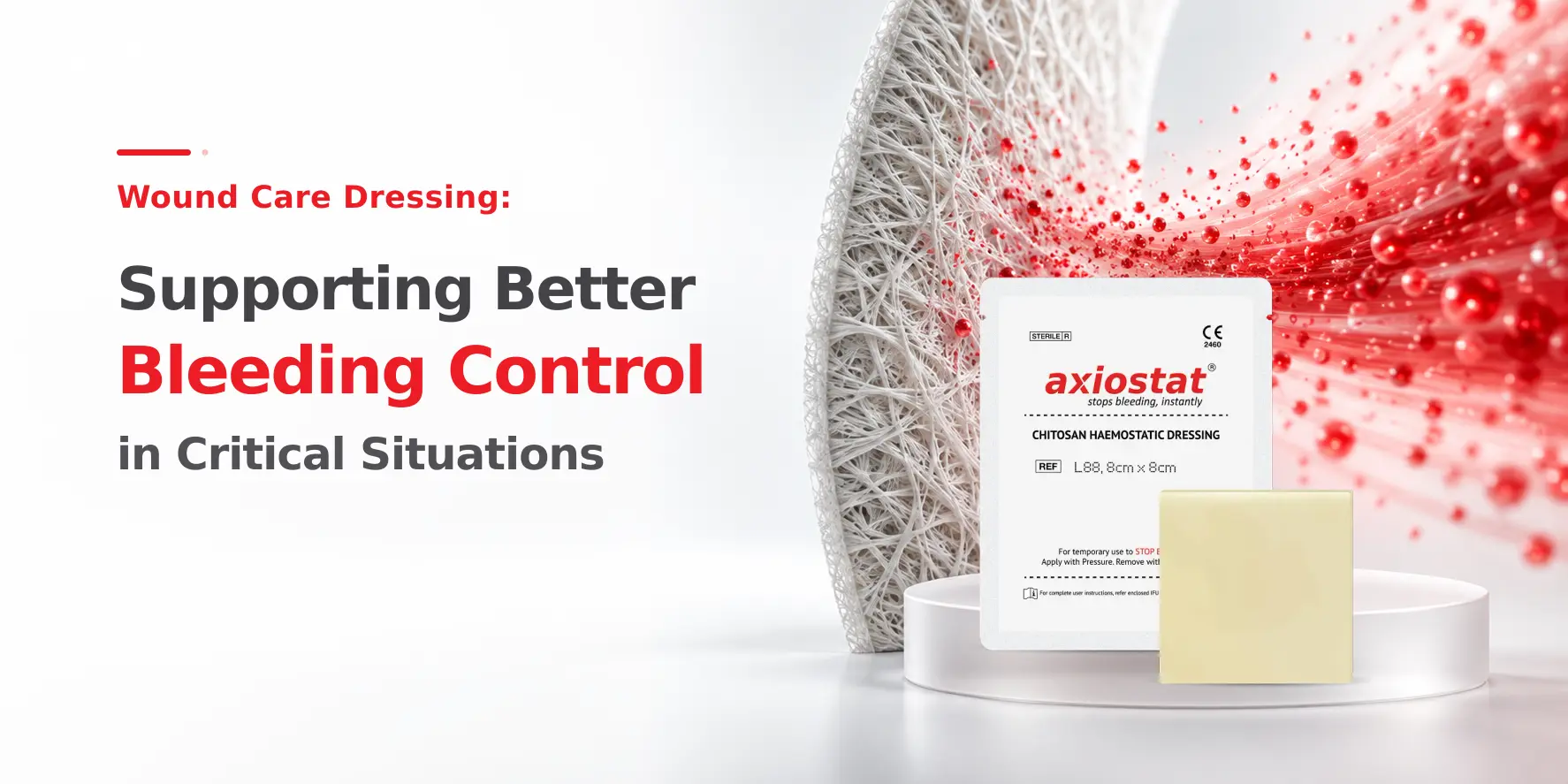
Wound Care Dressing: Supporting Better Bleeding Control in Critical Situations Effective wound care depends on the type, location, and severity of an injury. A traumatic wound with significant blood loss may require rapid and specialised intervention. A wound care dressing plays an important role in protecting the wound, supporting healing, and maintaining a suitable environment for recovery. Axiostat is a Hemostatic Dressing developed to help control moderate to severe bleeding. It is made with 100% Chitosan and uses Protonated Bioadhesive Technology(PBT)Ⓡ to interact with blood components at the bleeding site and support the body’s natural hemostatic process. With purpose-designed formats, Axiostat provides a targeted option for emergency and trauma bleeding control. What Should You Look for in a Wound Care Dressing? A suitable wound care dressing should do more than simply cover an injured area. For minor wounds, conventional dressings may provide protection from external contamination. However, wounds associated with substantial bleeding require a different priority:controlling blood loss and supporting hemostasis as quickly as possible. A Hemostatic Dressing is specifically designed to assist with bleeding control. Axiostat combines Chitosan with Protonated Bioadhesive Technology(PBT)Ⓡ to provide a purpose-designed option for moderate to severe bleeding. Axiostat: An Advanced Hemostatic Solution Axiostat is a Hemostatic Dressing made with 100% Chitosan and developed to help control moderate to severe bleeding. Its hemostatic mechanism uses Protonated Bioadhesive Technology(PBT)Ⓡ, which is designed to enhance interaction between the dressing and blood components at the bleeding site. The combination of Chitosan and Protonated Bioadhesive Technology(PBT)Ⓡ provides a purpose-designed approach to supporting rapid hemostasis. How Does Axiostat Support Hemostasis? When Axiostat touches blood, its positively charged chitosan surface interacts with negatively charged blood components at the site of injury. According to Axiostat’s technology information this interaction triggers key steps. These include charge-based attraction, activation of platelets, activation of the clotting cascade and the formation of a fibrin plug. Each of these steps plays a role in helping the body control bleeding.These processes are designed to support the body’s natural way of controlling bleeding. Axiostat is intended to work in moderate to severe bleeding situations where quick action is needed. Choosing the Right Axiostat Format Axiostat comes in formats to meet different bleeding-control needs. Axiostat Rolled Gauze is an option. It is useful in bleeding-control applications and fits easily into emergency kits. Axiostat Z-Fold Gauze is shaped to allow packing into wounds. It is especially useful when controlled wound packing is needed. Axiostat Patch is small and compact. It is ideal for targeting bleeding areas. It is important to choose the format and apply it as directed in the Instructions for Use. The official product information confirms that Axiostat offers rolled gauze, Z-Fold gauze and patch formats as part of its trauma product line. Applications in Emergency and Trauma Care Axiostat can be used in a range of emergency and trauma care settings. These include hospitals, emergency departments, pre-hospital services, military and defence operations, industrial sites and emergency response teams.A hemostatic dressing, like Axiostat can add another way to control bleeding when fast action is needed. It supports existing bleeding-control systems and can be used as part of a broader response. The Importance of Preparedness Emergency preparedness begins before an injury occurs. Appropriate supplies should be available, accessible, and within their usable shelf life.Healthcare facilities and organisations should establish bleeding-control protocols and ensure relevant personnel understand how to use available products. Axiostat products are sterile and designed for single-use applications. Product-specific instructions should always be followed.A Hemostatic Dressing can support bleeding control, but it does not replace definitive medical treatment or professional evaluation. Why Choose Axiostat? Axiostat combines advanced hemostatic technology with practical formats designed for emergency and trauma applications. Key features include: 100% Chitosan composition Protonated Bioadhesive Technology(PBT)Ⓡ Designed to help control moderate to severe bleeding Rolled gauze, Z-Fold gauze, and patch formats Sterile product formats Designed for appropriate emergency and trauma applications Removal according to product instructions Together, these features make Axiostat a focused solution when bleeding control is a critical priority. Official Axiostat product information also highlights bioadhesion, structural integrity, sterile formats, and removal using saline or water according to product instructions. When Every Second Matters A traumatic wound can change rapidly. The priority is to control significant bleeding while arranging appropriate medical care. Having an advanced Hemostatic Dressing available can help trained responders act promptly in appropriate situations. Axiostat is designed around this need. Its 100% Chitosan composition and Protonated Bioadhesive Technology(PBT)Ⓡ are intended to support interaction with blood components and promote hemostasis at the bleeding site. For emergency teams and organizations preparing for trauma situations, Axiostat provides a purpose-designed option for advanced bleeding control. Frequently Asked Questions 1. What is Hemostatic Dressing? A Hemostatic Dressing is designed to help control bleeding and support hemostasis when additional support is required. 2. What is Axiostat made of? Axiostat is made with 100% Chitosan and incorporates Protonated Bioadhesive Technology(PBT)Ⓡ to support its hemostatic action. 3. How does Axiostat work? Axiostat interacts with blood components at the bleeding site to support platelet activity, clotting cascade activation, and fibrin plug formation. 4. What Axiostat formats are available? Axiostat is available in rolled gauze, Z-Fold gauze, and patch formats. Each format is designed for specific applications and should be used according to its Instructions for Use. 5. Can Axiostat replace medical treatment? No. Axiostat supports bleeding control but does not replace professional medical evaluation or definitive treatment. 6. How should Axiostat be removed? Follow the product’s Instructions for Use for removal, including guidance on saline or water. 7. Where can Axiostat be used? Axiostat can be incorporated into appropriate emergency, trauma, hospital, pre-hospital, military, industrial, and emergency-response settings, subject to applicable protocols. Conclusion Choosing the right wound care dressing can be an important part of preparing for injuries where bleeding control is a priority. Axiostat brings together Chitosan and Protonated Bioadhesive Technology(PBT)Ⓡ in a purpose-designed Hemostatic Dressing for appropriate moderate to severe bleeding situations. With multiple formats and applications across emergency and trauma environments, Axiostat is designed to support rapid … Read more
First Aid Medical Kit: What Every Emergency Kit Should Include

First Aid Medical Kit

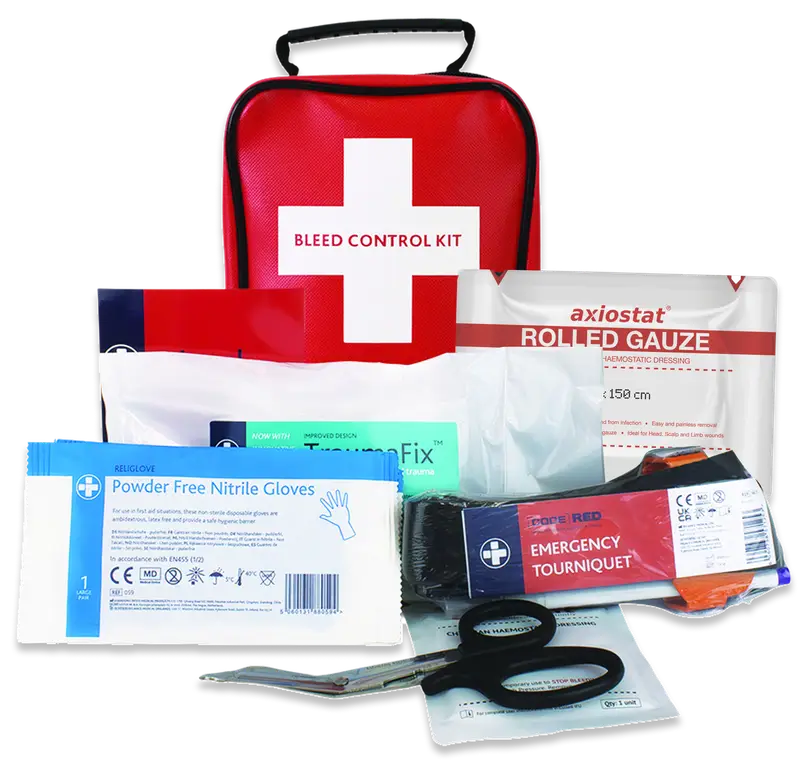
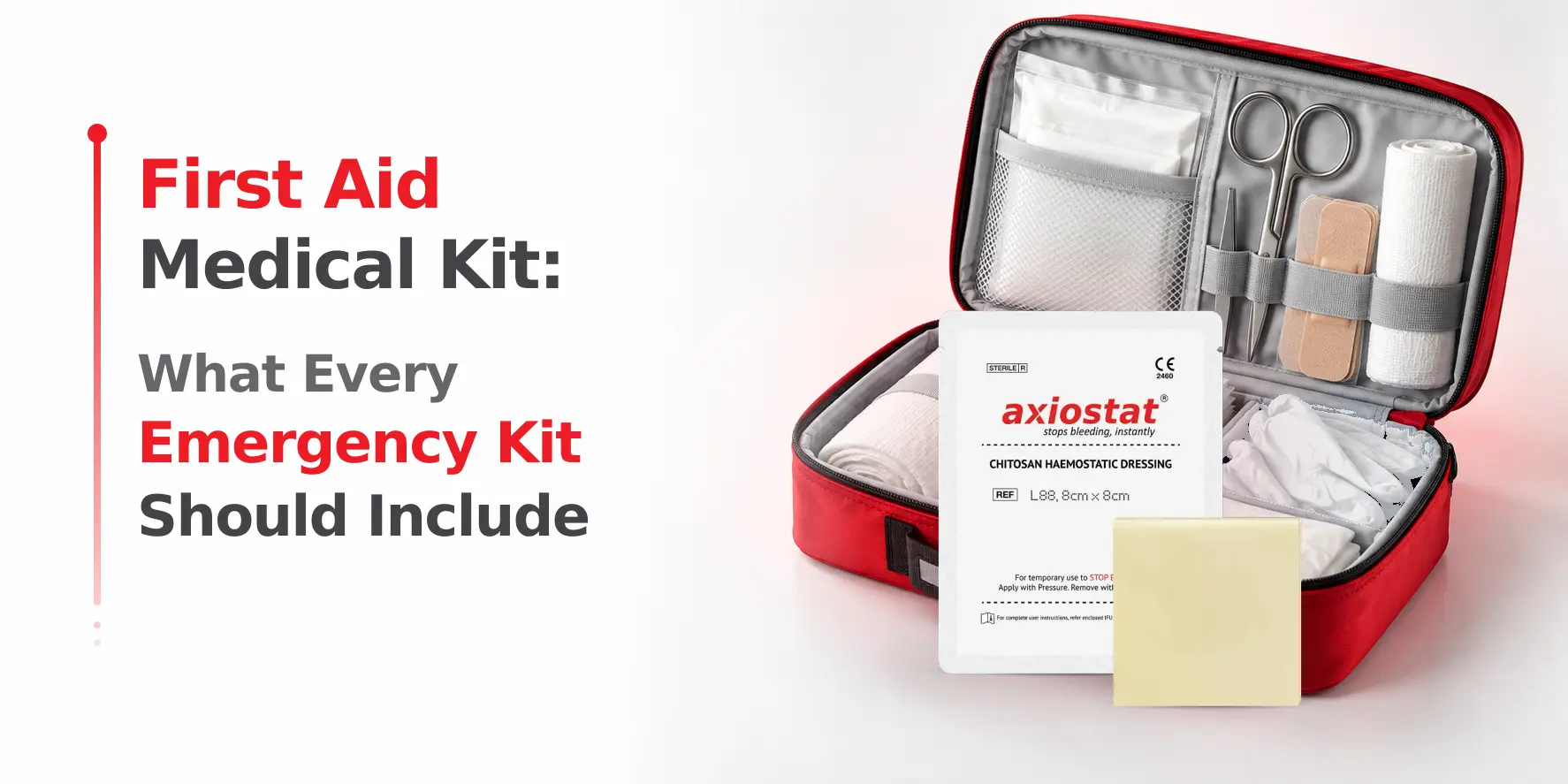
First Aid Medical Kit: What Every Emergency Kit Should Include Accidents and injuries can happen without warning. A minor cut at home, an injury at the workplace, or a more serious bleeding incident outdoors can quickly become an emergency. Having a first aid medical kit that contains the right supplies allows immediate care to begin while professional medical assistance is being arranged. The goal is not to replace medical treatment, but to ensure that essential first-aid resources are available when every second matters. Why Is First-Aid Preparedness Important? Emergencies often occur when there is little time to find the necessary supplies. Being prepared can help people respond quickly, calmly, and appropriately. First-aid preparedness is particularly important in places where injuries are more likely to occur, including: Homes and residential buildings Offices and workplaces Construction and industrial sites Schools and sports facilities Vehicles and travel bags Hiking, camping, and outdoor locations The contents of an emergency kit should be selected according to the environment, the activities involved, and the potential risks. A basic household kit may be sufficient for everyday minor injuries, while workplaces and high-risk environments may require more advanced trauma-care products. Essential Supplies for Everyday First Aid A well-equipped kit should contain supplies that can address common injuries while also providing support during more serious situations. Adhesive Bandages Adhesive bandages are useful for small cuts, scratches, blisters, and superficial abrasions. They provide a simple way to protect minor wounds from dirt and external contamination. Sterile Gauze Sterile gauze pads are important for covering wounds and absorbing blood. They can also be used with medical tape or bandages to secure a dressing over an injured area. Medical Tape Medical tape helps secure gauze, dressings, and other wound-care materials. Different types of tape may be suitable for different situations, so the selection should match the intended use. Disposable Gloves Disposable gloves are an important part of first-aid preparedness. They provide a protective barrier for the person providing assistance when there is contact with blood or other bodily fluids. Antiseptic Supplies Appropriate antiseptic wipes or solutions may be included for cleaning around minor wounds. Always follow the directions provided with the product and avoid using substances that are not intended for wound care. Scissors and Tweezers Small medical scissors can help cut tape, gauze, or clothing when necessary. Tweezers may be useful for removing superficial splinters or small visible debris. Cold Packs Instant cold packs can provide temporary relief from swelling and discomfort associated with certain minor injuries. They are particularly practical for sports kits, travel kits, and workplace emergency supplies. Preparing for Serious Bleeding Minor injuries are not the only situations that require first-aid preparedness. Serious bleeding can occur because of accidents, falls, sharp-object injuries, machinery-related incidents, or other forms of trauma. Severe bleeding requires immediate attention. Applying appropriate first-aid measures and seeking professional medical assistance as quickly as possible are critical. Hemostatic Dressing can be an important addition to emergency bleeding-control supplies, particularly in environments where the risk of traumatic injury is higher. Axiostat Hemostatic Dressing is made with 100% Chitosan and utilizes Protonated Bioadhesive Technology(PBT)Ⓡ. The technology is designed to promote adhesion at the bleeding site and support the body’s natural clotting process. Having an appropriate Hemostatic Dressing available can provide an additional option when managing serious bleeding until advanced medical care is available. Choosing the Right Kit for Different Environments Not every emergency kit needs to contain the same supplies. The items in the kit should match the dangers that are likely to occur in that specific place. Home A home kit should focus on injuries like small cuts, skin scrapes, burns and twisted ankles. Basic supplies for treating wounds like gloves, gauze, tape and cleaning products should be easy to reach. Workplace Workplaces can have dangers depending on the kind of job being done. Offices, storage areas, factories and building sites can all have types of injuries. Employers need to think about the dangers that exist in their workplace to decide what emergency items are needed. Vehicle A small emergency kit can be helpful when driving in a car or other vehicles. It should have supplies for treating wounds and items that can stay in good condition while being moved around and exposed to different weather. Outdoor Activities Hiking, camping walking through the woods and playing sports can lead to falls, cuts and other injuries. A small kit with supplies for treating wounds and controlling bleeding can be very useful when help might not be close by. How to Maintain Emergency Supplies Just buying an emergency kit is not enough. The supplies inside need to be checked to make sure they are still good to use. Think about these steps: Check the dates when products expire.Replace items after they are used. Look at the containers to see if they are broken or dirty. Keep the supplies stored as the maker says. Put the kit in a place that’s clean, dry and easy to find. Make sure people who are responsible know where it is. Check the items often, as the dangers may change. It is also important to know how each item is used. Learning some first-aid can help people do a better job when an emergency happens. When Should You Seek Professional Medical Care? First aid is intended to provide immediate support, not replace professional medical treatment. Medical assistance should be sought for serious or uncontrolled bleeding, deep or extensive wounds, suspected fractures, significant burns, loss of consciousness, breathing difficulties, or any injury that appears severe or life-threatening. For serious bleeding, emergency medical services should be contacted immediately while appropriate first-aid measures are provided. Frequently Asked Questions 1. What are the most important items to include in an emergency kit? Essential supplies typically include adhesive bandages, sterile gauze, medical tape, disposable gloves, antiseptic supplies, scissors, tweezers, cold packs, and appropriate bleeding-control products. 2. Why is a Hemostatic Dressing useful for emergency preparedness? A Hemostatic Dressing can provide an additional option for managing significant bleeding. It … Read more

Bleeding Management

bleeding management

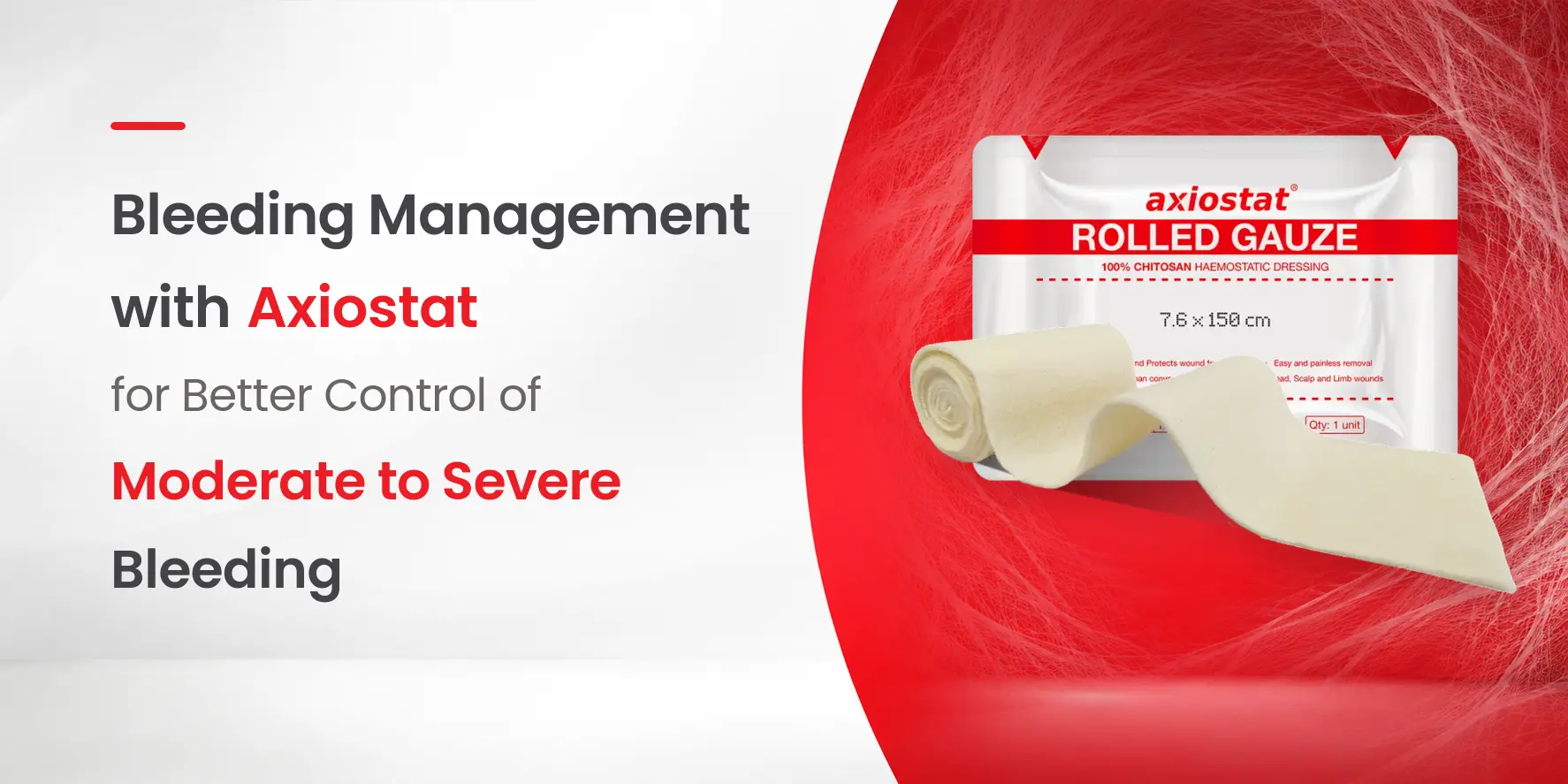
Management of Moderate to Severe Bleeding Using Axiostat Management of considerable blood loss is of high importance in emergency and trauma care settings. Uncontrolled bleeding caused by accidents, injuries, work-related incidents, or any other medical emergencies can become life-threatening extremely fast. Rapid measures, proper procedures and access to efficient means for controlling bleeding are vital in such cases.Axiostat is an innovative hemostatic dressing that can be used to manage bleeding of moderate or severe degree. Protonated Bioadhesive Technology (PBT)Ⓡ of this product is developed to interact with blood components and promote a natural process of hemostasis.With purpose-designed formats and efficient hemostatic technologies, Axiostat allows for the targeted approach to bleeding management for applicable emergency, trauma and pre-hospital settings. Bleeding Management: What Is It? Bleeding management implies identification, control, and reduction of blood loss resulting from an injury or other medical event. First of all, hemostasis needs to be achieved within the shortest period of time possible with the subsequent adequate medical care provided.Techniques used can vary depending on the severity, location and type of bleeding. Direct pressure, wound packing, dressings, hemostatic agents, tourniquet application and other measures can be utilised according to the situation.In case of moderate to severe bleeding, additional assistance can be obtained using purpose-designed hemostatic dressings that can provide extra help if traditional means of controlling the bleeding may prove to be insufficient. Axiostat can be considered as one such product. Axiostat: An Innovative Hemostatic Solution Axiostat is a 100% chitosan hemostatic dressing that is intended to assist in the control of moderate to severe bleeding. The technology is based on Protonated Bioadhesive Technology (PBT)Ⓡintended to improve the interaction of the dressing with the blood components at the bleeding site.Regular gauze just absorbs the blood and applies physical pressure. Axiostat is formulated to interact with the components of blood and help the body’s natural clotting process.Axiostat uses 100% Chitosan with Protonated Bioadhesive Technology(PBT)Ⓡ, which supports its bioadhesive activity at the site of bleeding. Together, they provide a purpose-designed approach to aid rapid hemostasis. Axiostat is designed to work alongside the body’s existing hemostatic mechanisms. When the dressing comes into contact with blood, its positively charged chitosan surface interacts with negatively charged blood components at the injury site.This interaction supports several processes involved in natural clot formation.Axiostat provides an advanced option for controlling moderate to severe bleeding. Interaction with blood cells Axiostat’s surface is protonated to interact with the components of blood at the site of injury. This interaction is an important part of its hemostatic mechanism. Platelet Activity This interaction promotes platelet activation and aggregation. Platelets are important for the body’s natural response to vascular injury and are involved in the formation of an initial clot. Support of Coagulation Axiostat supports processes involved in coagulation and formation of fibrin, thus contributing to development of a stable clot at the site of bleeding. Supporting Hemostasis These mechanisms work together to promote clot formation and hemostasis. Axiostat is designed to work with the body’s natural response and is a next-generation option for the control of moderate to severe bleeding. Axiostat and Fast Hemostasis Time is of the essence when there is a lot of bleeding. A long period of blood loss can lead to serious complications, making rapid intervention a vital part of emergency response. Axiostat is indicated for direct local hemostatic support  in the area of bleeding. Its chitosan composition, combined with Protonated Bioadhesive Technology (PBT)Ⓡ, helps interact with blood components and supports the coagulation process. This is what makes Axiostat more than a typical wound dressing. Designed for use by trained healthcare professionals and responders in appropriate situations where moderate to severe bleeding may require additional hemostatic support. Choose the Right Axiostat Format Bleeding injuries can vary considerably in location, size, depth, and severity. For this reason, having different dressing formats can help address different application requirements. Axiostat Rolled Gauze The rolled gauze format offers flexibility for appropriate bleeding-control applications. It can be used according to the product’s specific Instructions for Use. Axiostat Z-Fold Gauze The Z-Fold format is designed for wound-packing applications where packing is appropriate and medically indicated. Axiostat Patch The patch format provides a compact option for targeted bleeding-control applications and appropriate wound sites. The availability of different formats allows healthcare professionals and trained responders to select an appropriate Axiostat product based on the specific situation and applicable Instructions for Use. Applications in Emergency and Trauma Care Bleeding emergencies can occur in hospitals, ambulances, workplaces, industrial environments, military settings, and other high-risk situations. Axiostat can form part of an appropriate bleeding-control system in settings such as: Emergency and trauma care Hospital emergency departments Pre-hospital and ambulance services Military and defence operations Industrial and workplace environments Emergency response organisations Bleeding-control and trauma kits The product should always be used according to its Instructions for Use and applicable clinical protocols. When Normal Ways to Control Bleeding Aren’t Enough Putting direct pressure on a wound and using regular gauze are still key ways to control bleeding. But sometimes, a wound keeps bleeding even when you’re applying the right pressure. Wounds that are deep, cover a large area, or are hard to reach can be especially tricky. In these cases, a special kind of dressing that helps control bleeding might offer extra help. Axiostat is made for bleeding that’s moderate to severe. It works right at the wound to help the body’s own blood clotting process. This makes it a good choice when regular methods alone aren’t enough to control serious bleeding. Get Ready Before an Emergency Strikes Being ready for an emergency means preparing beforehand. Hospitals, health organizations, businesses, military groups, and first responders should all have the right equipment for controlling bleeding easily accessible. Keeping Axiostat in emergency or trauma kits means that an advanced bleeding-control dressing is available if someone experiences major bleeding.Being prepared also means having training. Medical staff and trained responders need to know the correct ways to control bleeding and how to follow the product’s instructions.Having the right technology, equipment, and … Read more

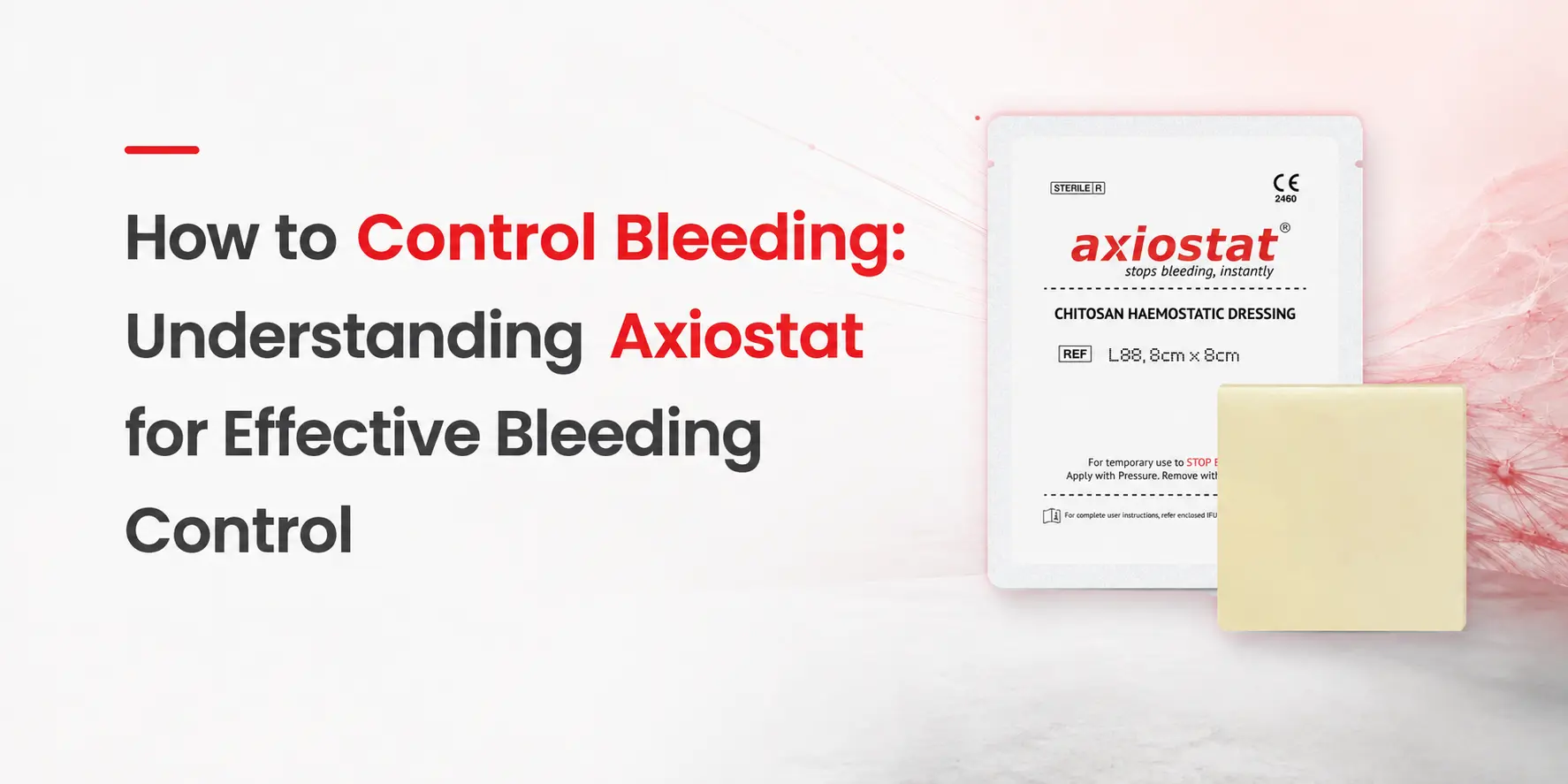
How to Control Bleeding: Understanding Axiostat for Effective Bleeding Control

How to Control Bleeding

How to Control Bleeding: Understanding Axiostat for Effective Bleeding Control Bleeding is one of the major injuries that require proper knowledge on how to control it. Bleeding can be caused by a small cut, large wound, accident, work-related, and other injuries. Minor injuries can easily be treated through first aid, but moderate and severe cases should be controlled. Time is critical when there is significant blood loss; therefore, using the right method and having an efficient bleeding control product is required to help control the bleeding until professional care comes. This is where the innovative technology known as Axiostat comes into play. It is a hemostatic dressing designed to manage blood loss caused by moderate to severe injuries using Protonated Bioadhesive Technology(PBT)Ⓡ  that interacts with blood and facilitates the natural healing process of the body. Why Is It Important to Know How to Control Bleeding? The human body has a natural way of controlling blood loss after an injury known as hemostasis. Hemostasis occurs due to the interaction between clotting factors and platelets to help clot the blood. Unfortunately, blood loss in severe cases is rapid, and in this situation, it causes dizziness, shock, fainting, and other life-threatening conditions. It is vital to learn how to control bleeding quickly. In most cases, applying direct pressure is one of the steps to be undertaken. However, for cases where the bleeding is serious to moderate, traditional approaches may not always yield the desired results. An advanced hemostatic dressing like Axiostat can assist in controlling bleeding fast. How to Control Bleeding: The First Response Safety is the first priority when it comes to the issue of bleeding. The environment should not be dangerous in any way; hence, there should be no fire, electricity, traffic, and glass among other things. After safety measures are put into place, the next step is to establish the cause and nature of the bleeding. In case of external bleeding, place direct and consistent pressure on the wound, utilizing proper gauze or dressings. Applying pressure will decrease blood flow and allow a clot to form. Do not keep taking off the dressing to check the injury, as this can interfere with the clot forming process. If there is minimal bleeding, this treatment can suffice. But, moderate to severe bleeding might necessitate the use of extra bleeding control methods. When Conventional Methods Are Not Enough Among the key things one should learn about controlling bleeding is the fact that not all injuries will respond to traditional gauze and pressure. Traditional gauze serves to absorb and create pressure only. With deep and traumatic injuries, bleeding can persist despite the proper utilization of the above methods. That is where Axiostat can prove to be useful. The unique thing about Axiostat is that it is a hemostatic dressing meant to help control moderate to severe bleeding. Instead of just being an absorbent dressing like most other dressings, it is formulated to act on blood components and assist the body in the clotting process. What Is Axiostat? Axiostat is a hemostatic dressing made of 100% chitosan that helps in controlling moderate to severe bleeding. At the heart of Axiostat lies its Protonated Bioadhesive Technology(PBT)Ⓡ which is specially developed to allow interaction between the dressing and the blood components. Chitosan acts as the base of the hemostatic function of Axiostat, which occurs via the interaction of its protonated surface with blood components. This means that Axiostat is not simply a traditional wound dressing material. It is a specialized product used to control bleeding in cases when fast bleeding control is critical. How Does Axiostat Help Control Bleeding? Knowing the mode of action of Axiostat allows one to understand why this product is used for bleeding control. Axiostat interacts with blood components upon application to the bleeding area because of its 100 % chitosan structure. This interaction ensures the operation of multiple mechanisms used by the body in the process of natural hemostasis. Platelet Activation Axiostat promotes platelet activity and aggregation in the bleeding area. Platelets are vital in the natural body reaction to vascular damage. Coagulation Support The interaction in the wound area facilitates the process of coagulation and formation of fibrin. Fibrin Plug Formation This combination of actions helps to form a plug made of fibrin at the point where there is bleeding. In this way, Axiostat aims to assist with fast bleeding control and supplement the body’s inherent reaction to injury. How to Control Severe Bleeding With Axiostat In cases of profuse bleeding, quick and correct action is very important. Once safety is assured, and the source of bleeding is located, Axiostat application may proceed based on the product’s unique Instructions for Use. The product could either be placed on top of the area of bleeding depending on the nature of the wound or used for packing the wound. Proper pressure needs to be applied depending on the product guidelines. This will help in bleeding control while getting professional medical help. Axiostat should be used in accordance with its Instructions for Use. Proper medical help is required when there is serious bleeding. Axiostat Formats for Different Applications The areas, depth, and seriousness of bleeding injuries can differ greatly. Axiostat is available in various forms that help in various bleeding control situations. Axiostat Rolled Gauze Roll Gauze form is flexible and can be used in various bleeding control situations in accordance with its own Instructions for Use. Axiostat Z-Fold Gauze Z-Fold format is suitable for use where wound packing is appropriate and warranted. Axiostat Patch The patch format is an easy-to-use format that is intended for use in controlled bleeding applications. Availability of varied formats enables Axiostat to cater to bleeding control needs in different environments. Where Can Axiostat Be Used? Emergency bleeding events may happen within healthcare centers, ambulances, offices, industries, military environments, and even other locations where injuries may take place. Axiostat can be included in bleeding control preparedness plans in appropriate locations such as:     Emergency and trauma care … Read more

first aid box medicine

First Aid Box Medicine

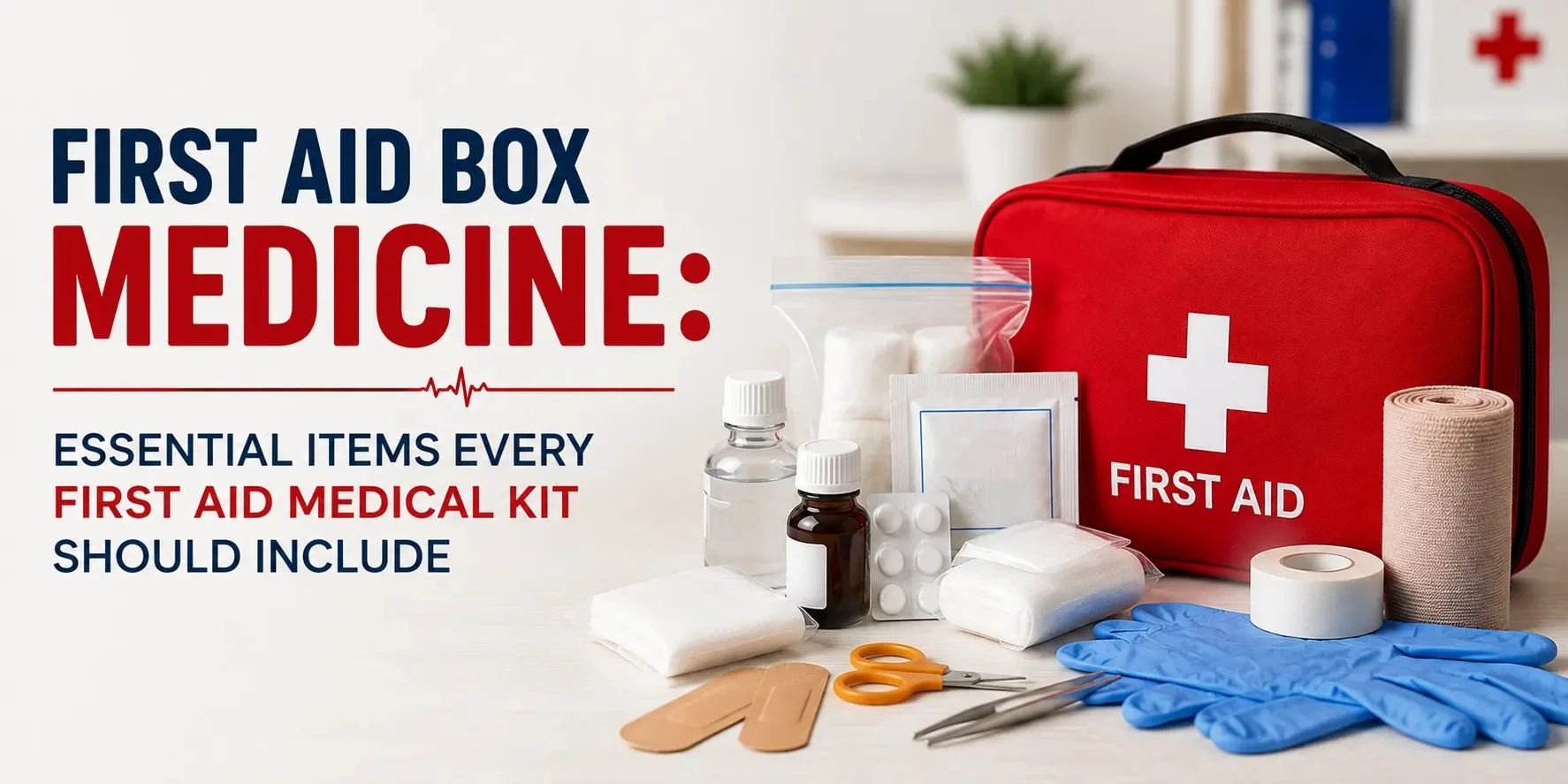
First Aid Box Medicine: Essential Items Every First Aid Medical Kit Should Include Usually, medical emergencies come without warning. It can be something you least expect, a small cut in the kitchen, a child falling while playing, an injury at work or an accident on the road. Serious injuries require professional medical care, but often the first few minutes after an accident determine the outcome. That is why, one of the most simple yet most effective ways to protect yourself, your family and the people around you is by having a well-stocked first-aid medical kit. What medicine is in a first aid box? First aid box medicine are the basic medicines and medical supplies in a first aid box to give immediate treatment in an emergency. These medicines are intended for short-term use and should not replace professional medical advice or treatment. The contents of a first aid kit may vary depending on where it will be used, but the goal remains the same: to provide quick, effective care until further medical attention is available. First Aid Kit Medicine – Every kit should include A well-stocked first aid kit should contain a mix of medicines and wound care items. Here are some of the most important things. Antiseptics Any wound should be properly cleaned before dressing. By applying antiseptic solutions or antiseptic wipes to the injured area, dirt and other contaminants can be washed away and bacteria reduced, lowering the risk of infection. Pain relief medication use Over-the-counter pain relievers can help with headaches, muscle pain, minor injuries and fever. They give temporary relief until further medical evaluation can be done. Tablets of Antihistamine Unexpected allergic reactions, insect bites and skin irritations can happen. Antihistamines reduce itching, swelling, redness and mild allergic symptoms. Burn Cream or Burn Gel First aid is necessary when one suffers from a minor burn from food preparation, hot surfaces, or electrical appliances. Burn gel eases the pain and protects the injured part. Oral Rehydration Salts (ORS) Vomiting, diarrhea, dehydration, and heat exhaustion may cause loss of body fluids in a short while. ORS can help restore fluid levels before seeking medical assistance. Adhesive Bandages Cuts, blisters, and abrasions are the injuries that most people treat using first aid. Adhesive bandages help protect the wound from infections as it heals. Sterile Gauze Pads Sterile gauze pads can be used for covering bigger injuries. They absorb blood as well as protecting the injuries from any kind of external infections. Medical Adhesive Tape This tape holds gauzes and dressings together without limiting mobility. This is a must-have item in a first aid kit. Antibiotic Ointment In case of a need and under the prescription of healthcare workers, topical antibiotics can prevent infections caused by bacteria in minor wounds. Prescription Medication (Where Required) Another item which can be kept in case of individual requirements includes emergency medicines like asthma sprays, allergy pills, etc. These should always be stored separately and checked for expiration dates. Essential Supplies Apart from First Aid Box Medicines Medicines are not sufficient to cure all types of emergencies. The first aid medical kit should contain additional supplies to assist in emergencies. These supplies are: Disposal medical gloves Sterile cotton swabs Crepe bandages Compression elastic bandages Surgical shears Splinter removal tweezers Digital thermometer Cold packs CPR mouth shield Safety pins Emergency blanket Sanitizer Face masks These items help to manage injuries safely without causing any contamination. Why Regular Gauze Is Not Always Sufficient Regular gauze has been one of the most common materials found in every first aid kit. It can be used for cleaning injuries, absorbing blood and protecting minor injuries. But cases of severe bleeding need quicker treatment. Deep cuts, accidents at workplaces, traffic injuries, injuries related to machinery or sporting injuries can result in heavy blood loss. In such scenarios, regular gauze may not be enough to stop the bleeding. Emergency medical care has developed advanced hemostatic dressings that are able to help control bleeding better than traditional dressings. Axiostat: Advanced Addition to First Aid Medical Kit Along with the development of emergency readiness, there have been advanced hemostatic dressings that have become part of comprehensive first aid kits. One of them is Axiostat, advanced hemostatic dressing. Unlike normal gauze, Axiostat’s mucoadhesive properties form a mechanical barrier at the wound site that supports natural clotting, due to its 100% chitosan composition, powered by PBT® When placed on an injured area, it adheres to the wounded area and facilitates natural blood clotting. Some of the benefits associated with Axiostat include: Helps control bleeding in emergencies. Easy to use even when you lack training Sterile and packaged in individual packages Encourages natural clotting Removal using saline or water without compromising the clot Appropriate for use in hospitals, ambulances, industrial safety packs, military use, emergency services, and trauma medicine When an organization works in high-risk areas like construction sites, industrial facilities, mining operations, warehouses, or emergency response services, the inclusion of bleeding stopping materials in a first aid medical pack would come in handy. Tips for Managing your First Aid Medical Pack Having a first aid kit in your organization is not enough; the kit needs to be well maintained and updated from time to time. Maintain your kit using these easy-to-follow tips: Expiry dates should be checked twice a year. Expired medication should be replaced as soon as possible. Supplies used during emergencies should be restocked each time. Dressings should be sealed until required. The first aid kit should be stored in a cool and dry place. Everyone should know where the first aid kit is stored. An ignored first aid kit will not help much during an emergency. Selecting The Appropriate First Aid Medical Kit A variety of situations does not require the same kind of first aid kit. A typical first aid kit at home might comprise of first aid box medicines, whereas first aid kits in the industry and among emergency medical professionals must comprise advanced trauma care equipment. While choosing … Read more

What Are the 5 Ways to Control Bleeding During an Emergency?

5 ways to control bleeding

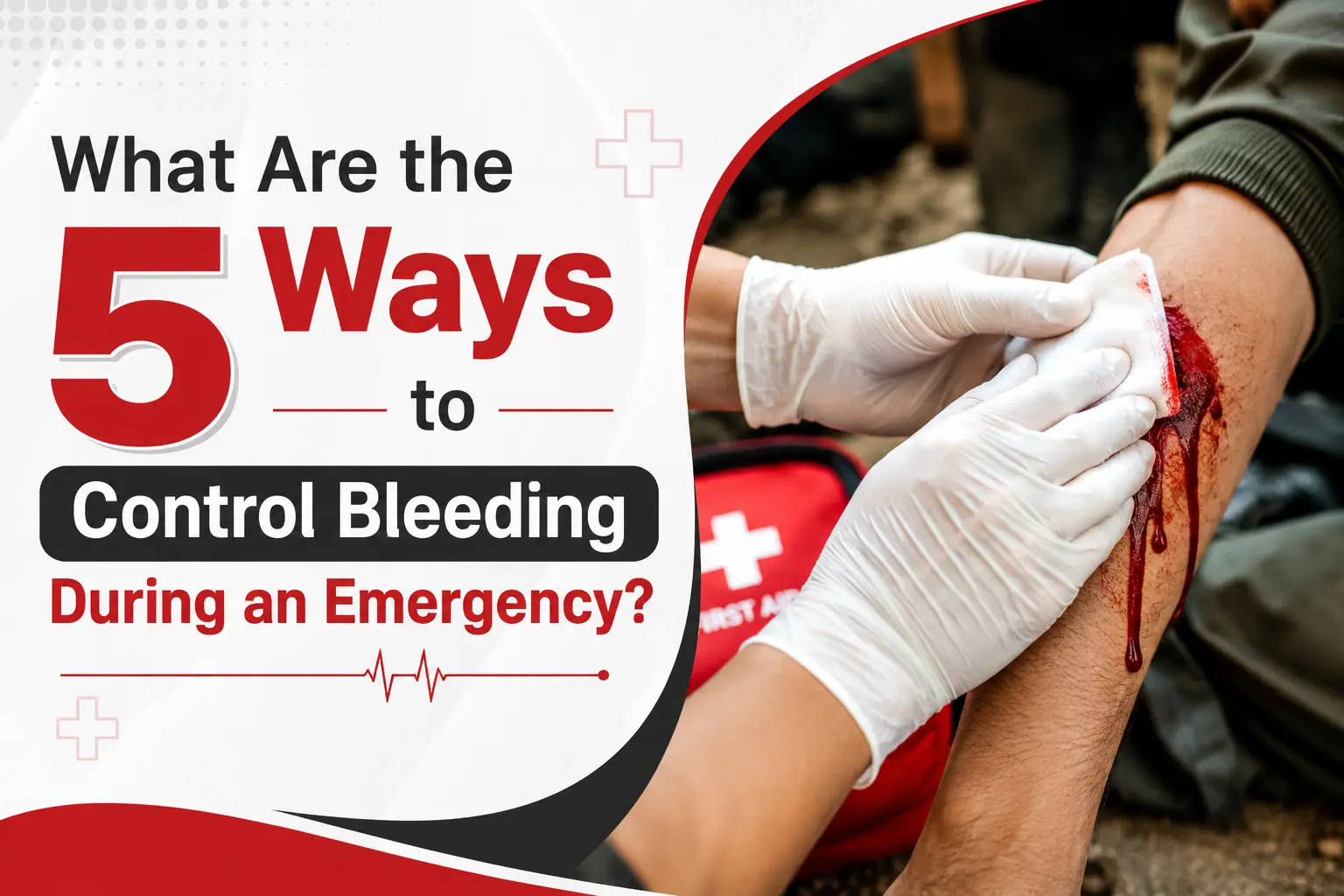
What Are the 5 Ways to Control Bleeding During an Emergency? Bleeding can occur at any time—when you are at home, travelling, working, or outdoors. Even though many wounds are small, serious bleeding can become life-threatening within minutes. You may be able to save a life by knowing the 5 ways to control bleeding. We believe everyone should know how to control bleeding and be able to use products designed for this purpose. Why Bleeding Control Matters Excessive blood loss is one of the leading causes of preventable deaths following traumatic injuries. The sooner the bleeding stops, the greater the chances of avoiding complications and stabilising the patient’s condition. Regardless of whether you are a parent, educator, construction worker, or emergency service provider, knowing the 5 ways to control bleeding is essential knowledge. 1. Apply Direct Pressure Immediately The first and most important step is applying firm pressure directly over the wound. Use: A clean cloth Sterile gauze Hemostatic dressing Keep steady pressure without constantly checking the wound. Direct pressure helps the body begin forming a clot naturally. 2. Use a Hemostatic Dressing When direct pressure alone is not enough, a hemostatic dressing is needed for better bleeding control. Unlike traditional gauze bandages, a hemostatic dressing promotes rapid clot formation. At Axiostat, our hemostatic dressings made from chitosan work with blood cells to help form a strong clot quickly. They are a valuable addition to emergency kits, workplaces, ambulances, and homes. 3. Pack Deep Wounds Correctly Some injuries involve deep cuts or puncture wounds. In these cases: Place the hemostatic gauze directly into the wound. Fill the wound cavity carefully. Continue applying firm pressure. Proper wound packing helps control bleeding from deeper injuries that surface dressings alone may not manage. 4. Apply a Tourniquet for Severe Limb Bleeding If bleeding from an arm or leg cannot be controlled with direct pressure and wound packing, a tourniquet may be necessary. Place it: Several inches above the wound Not over a joint Tight enough to stop the bleeding Tourniquets should only be used for life-threatening extremity bleeding. 5. Get Medical Help and Continue Monitoring Even after bleeding slows or stops, the injured person still needs medical evaluation if the wound is serious. Continue to: Watch for renewed bleeding. Keep the person warm. Monitor for signs of shock. Avoid removing the dressing unnecessarily. Bleeding control is the first step—not the final treatment. Why Traditional Gauze Isn’t Always Enough Many people believe ordinary gauze can handle every injury. While it’s useful for: Minor cuts Small scrapes Everyday wounds It simply absorbs blood. It doesn’t actively help blood clot. That’s why modern trauma care increasingly uses advanced hemostatic dressings. Where Should You Keep Bleeding Control Supplies? You never know when an emergency may happen. Keep bleeding control supplies in: Home first aid kits Cars Workplaces Schools Hiking bags Sports kits Construction sites Preparedness begins before the emergency. The Importance of Having the Right Products to Manage Bleeding Apart from knowing the 5 ways to control bleeding, it is equally crucial to have the necessary products for this procedure. While direct pressure on wounds may work, advanced solutions should be used when bleeding is too severe. Hemostatic dressings from Axiostat can help facilitate rapid blood clotting and bleeding management. Thus, it is vital to keep a product to manage severe bleeding at hand in your house, at work, in your car, and in your first-aid kit until help arrives. Be Prepared Before an Emergency Occurs Prepare yourself for controlling bleeding in advance. Considering that any emergency can happen anytime and anywhere, it is recommended to always be prepared in terms of proper education and necessary equipment. The Axiostat team is happy to present you with advanced bleeding control products, which are compact, efficient, and highly appreciated by medical staff and emergency services all around the globe. Conclusion Knowing the above 5 ways to control bleeding will certainly help prepare you well in times of emergencies. Simple first aid procedures are indeed valuable, but the presence of modern-day hemostatic devices does give you an extra edge whenever there is a case of bleeding. At Axiostat, our focus is on bringing about innovation in the field of bleeding management using advanced chitosan-based hemostatic dressings that help people respond confidently when every second counts. Axiostat is more than a hemostatic dressing—it’s a tool that saves lives. With global trust and proven results, it’s changing how we manage emergency bleeding control, one life at a time. Frequently Asked Questions What are the 5 ways to control bleeding?The five key ways include direct pressure, hemostatic dressing, wound packing, tourniquets, and medical help while keeping an eye on the patient. When should I use a hemostatic dressing?This is recommended when dealing with moderate and heavy bleeding, which can be difficult to handle using gauze. Can Axiostat products substitute for professional medical help?Not necessarily, since the dressings will only act to help you stop the bleeding before you get to the professionals. Why is it critical to control bleeding quickly?It will minimise blood loss and reduce the chances of going into shock. Related Insights All Posts Blog First Aid Medical Kit: What Every Emergency Kit… Bleeding Management How to Control Bleeding: Understanding Axiostat for Effective… Get in touch today! We are happy to provide you with assistance and support regarding any inquiries or questions you may have. [email protected] (+91) 88607 86067 Axio Biosolutions Private Limited, Ahmedabad, Gujarat, India

What Is the Right First Aid for Bleeding at Home?

first aid for bleeding

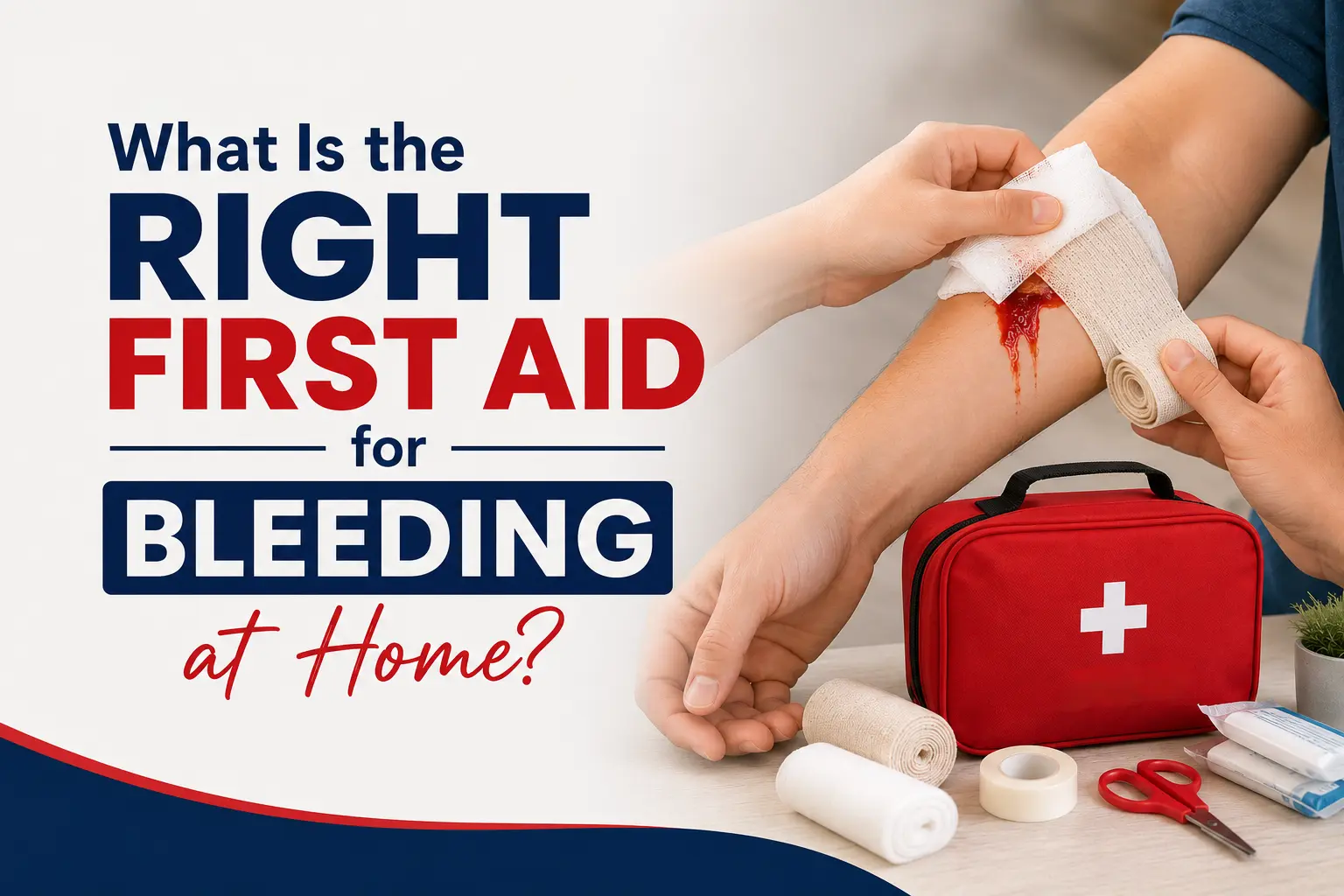
How Hemostatic Dressings Like Axiostat Are Changing First Aid for Bleeding Home injuries occur more often than one would think. A slip with a knife while in the kitchen, an accident in the yard, a shattered glass, or do-it-yourself projects may cause a bleeding injury. Bleeding from a cut is not usually serious, but certain cuts may result in heavy blood loss, especially when untreated. In an emergency bleeding situation at home, knowledge of appropriate first aid for bleeding can save the day. At Axiostat, we strongly believe that every home must be prepared with effective solutions for bleeding injuries. In this guide, we’ll explain how to manage bleeding at home, when regular bandages may not be enough, and why advanced hemostatic dressings are becoming an important part of modern first aid kits. Why Quick Action Matters Bleeding is always an emergency, and every moment counts. Minor cuts tend to stop bleeding by themselves, but major cuts may keep on bleeding continuously. The excessive loss of blood may cause dizziness, weakness, shock, and other complications. Giving proper first aid for bleeding will help you to:           Minimize the loss of blood           Guard the wound from dust and bacteria           Support the process of blood clotting           Maintain the stability of the victim until professional help arrives. Common Causes of Bleeding Injuries at Home Many everyday activities can result in unexpected injuries. Some common examples include: Kitchen knife cuts Broken glass injuries Cuts from gardening tools Falls around the house DIY and home repair accidents Power tool injuries Pet scratches and bites While many of these injuries are minor, some may require more than a standard adhesive bandage. How to Tell If Bleeding Is Serious Not every cut requires emergency treatment, but some wounds need immediate attention. Watch for signs like: Blood that continues flowing after several minutes Deep cuts exposing tissue Blood is soaking through multiple dressings Spurting blood Large wounds caused by sharp objects The injured person becomes pale, weak, or dizzy. These situations require immediate first aid for bleeding and professional medical evaluation. Step-by-Step First Aid for Bleeding at Home Stay Calm and Protect Yourself Before helping someone else, make sure the area is safe. If possible: Wash your hands. Wear disposable gloves. Keep the injured person calm. Remaining calm allows you to think clearly and provide better care. Identify the Source of Bleeding Take off or shift away any clothing to identify the injury site. The accurate location of the bleeding allows you to put on the bandage correctly. Apply Direct Pressure Put the clean bandage right onto the injury spot. Press hard and continuously. Do not remove the bandage every few seconds to check the bleeding; it will disrupt clot formation. Apply a Hemostatic Dressing for Severe Bleeding In cases of moderate and heavy bleeding, a hemostatic dressing may help control the bleeding more efficiently compared to regular gauze. We develop hemostatic dressings that use chitosan technology to speed up clot formation. Unlike simple blood absorption, they interact with the body’s physiological processes to control bleeding. Secure the Dressing Once the bleeding begins to slow, wrap the dressing with a bandage to keep it in place. This helps maintain steady pressure while the person receives further medical care if needed. Monitor the Person Continue observing the injured person. Watch for: Continued bleeding Weakness Dizziness Pale skin Difficulty staying awake If symptoms worsen, seek immediate medical attention. When Regular Bandages May Not Be Enough Most homes have adhesive bandages or cotton gauze available. These products work well for: Small cuts Minor scrapes Light bleeding However, regular bandages have limitations. They mainly absorb blood and protect the wound. They do not actively promote clotting. When bleeding is heavy, relying only on ordinary gauze may not provide enough bleeding control. This is where advanced hemostatic dressings offer an important advantage. Why We Developed Axiostat Our mission is to make bleeding control easier, faster, and more effective. Our products are designed for use across: Emergency medical services Hospitals Military medicine Industrial workplaces Ambulances Personal first aid kits By combining simple application with advanced clotting technology, we help improve bleeding control when every minute matters. Why Every Home First Aid Kit Should Include Axiostat Normally, households will always have medications, bandages, and antiseptics available at home in case any emergency occurs. However, few individuals have ever thought about severe bleeding until that moment. Incorporating our products into your home first aid kit will make you feel more prepared for any case of bleeding. Common Mistakes People Make During Home Bleeding Emergencies During stressful situations, it’s easy to make mistakes that slow bleeding control. Avoid these common errors: Removing the dressing repeatedly Using dirty towels or a cloth Applying weak or inconsistent pressure Waiting too long before seeking medical care Assuming all bleeding will stop on its own Knowing proper first aid for bleeding helps you avoid these mistakes and respond with confidence. Preparing Your Family for Bleeding Emergencies Being prepared doesn’t require medical training. Simple steps include: Learning basic bleeding control Keeping a complete first aid kit Including a hemostatic dressing like Axiostat Replacing expired supplies regularly Teaching family members where emergency supplies are stored Prepared families can respond more quickly when accidents happen. Conclusion Home accidents cannot be predicted, but preparation is something that is entirely up to you. Understanding the right first aid procedures for bleeding allows you to act fast, stop the bleeding, and assist the victim before any medical help arrives. Though conventional bandages can still be used for minor cuts, they are insufficient for severe cases of bleeding emergencies. We produce bleeding dressings that work with the body’s blood cells to help control bleeding much more efficiently Including Axiostat products in your first aid for bleeding means making one more step towards readiness for unforeseen emergencies, because when it comes to bleeding, time really counts. Frequently Asked Questions … Read more

How to Stop Bleeding When Traditional Bandages Fail

how to stop bleeding

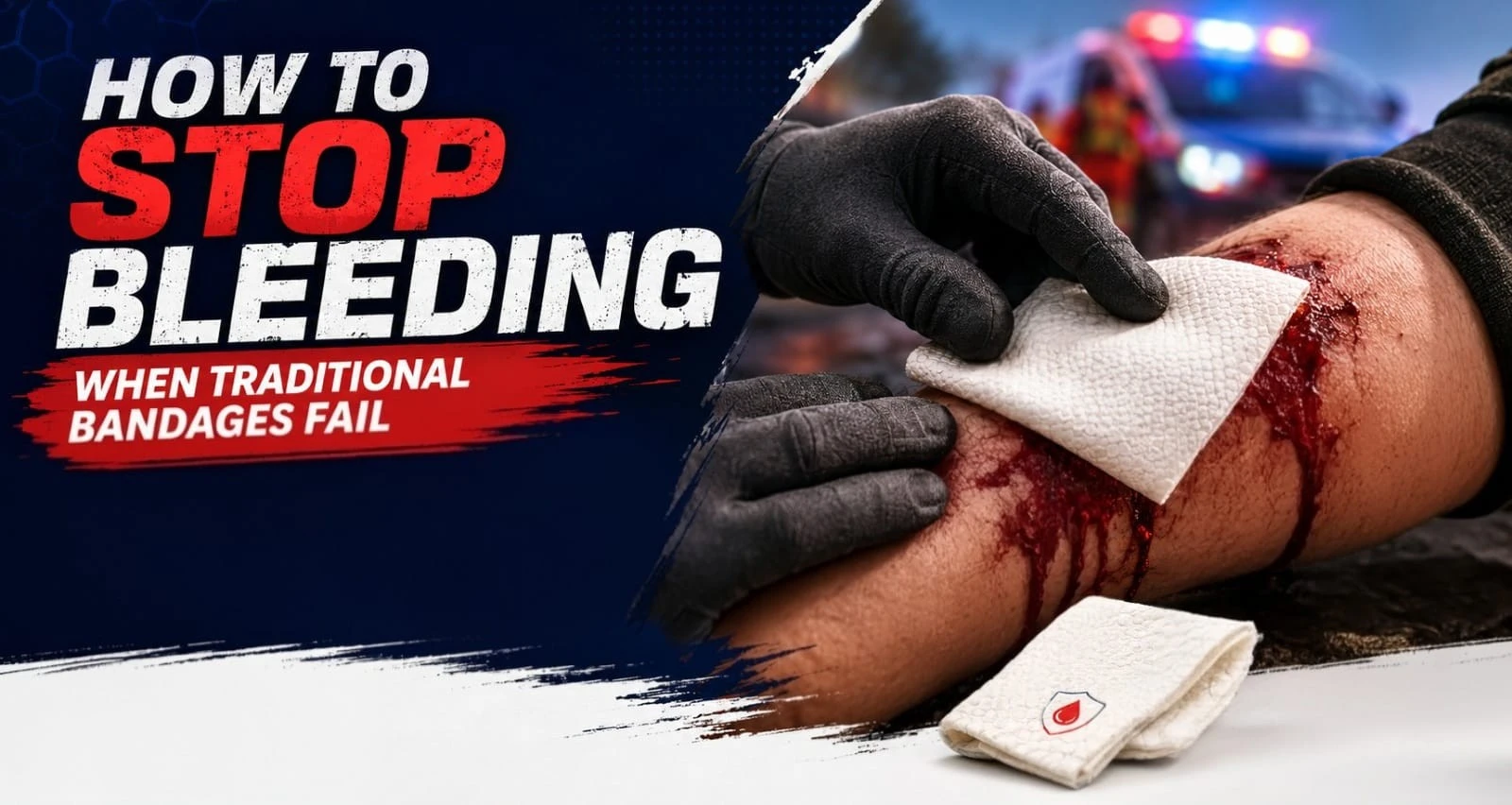
How to Control Bleeding When Traditional Bandages Fail In any injury, bleeding is one of the most critical problems. In most common injuries, a normal bandage or gauze can be used. They will cover the wound, absorb a little bit of blood, and protect the injured site until the situation stabilises. However, not all injuries are like that. There are cases when the wound bleeds so heavily or too fast that ordinary bandages cannot handle it anymore. Then comes the question: how to control bleeding when the usual first aid supplies are not enough. Axiostat specializes in products that are developed for the most difficult bleeding cases. We know that if bleeding continues, then people require more than just covering the wound. They need an active approach to managing their bleeding problem. Hemostatic dressings are the answer to such situations. Why Traditional Bandages Do Not Always Work Regular bandages are efficient in dealing with most of the small wounds. They form the basis of a first-aid kit at home, in the office and while traveling. Regular bandages can be used for small cuts, abrasions, and slight bleeding. However, their role is limited only to covering up the wound and absorbing the blood that flows. They cannot stimulate clotting process in the same way as a hemostatic dressing. Such a dressing is essential in scenarios like:             Dangerous cuts made by instruments and machines             Bleeding injuries at the workplace             Trauma sustained in road accidents             Bleeding caused by any outdoor activity like hiking, camping, or field research             In case of continuous oozing of blood through the dressing material In all these scenarios, a regular bandage will become saturated with blood rather soon and still will not be able to control bleeding. One will have to repeatedly change the gauze and apply pressure to control bleeding. At this stage, it becomes vital to know how to control bleeding. What Makes Severe Bleeding Different? Not all bleeding behaves the same way. A shallow cut on a finger is very different from a deep wound on the arm or leg. Serious bleeding can happen faster than many people expect. It can also become dangerous if it is not controlled quickly. A wound may need more than a regular bandage if: Blood is flowing steadily and does not slow down The cut is deep or wide Blood soaks through multiple layers of gauze The injury happened in a high-risk setting such as a construction site or roadside accident The person becomes weak, pale, or dizzy from blood loss In these situations, the goal is not just to cover the wound. The goal is to control blood loss as quickly as possible and help stabilize the person until medical care is available. How Hemostatic Dressings Help A hemostatic dressing differs from ordinary gauze in that it is designed to facilitate faster bleeding control. Instead of only absorbing blood, it works with the body’s natural response to help form a clot and seal the wound more effectively. Our hemostatic dressings are designed for rapid bleeding control in emergency and trauma situations. They use chitosan-based technology to help the dressing interact with blood cells and support clot formation at the wound site. This makes them a more practical option when traditional bandages fail to do the job. In simple terms, a hemostatic dressing helps by: Acting quickly at the bleeding site Supporting clot formation Creating a protective barrier over the wound Helping reduce ongoing blood loss Offering a better response in moderate to severe bleeding situations This is why knowing how to control bleeding is not just about applying pressure. It is also about using the right product for the right type of wound. Signs It Is Time to Move Beyond a Regular Bandage People often begin with whatever is closest to them, usually a normal bandage or plain gauze. That makes sense in the first few moments of an injury. But there are clear signs that the situation may require something more advanced. A regular bandage may not be enough if: The wound keeps bleeding after direct pressure The gauze becomes soaked very quickly The injury is deep and hard to cover properly The bleeding restarts when pressure is removed You are in a setting where medical help may take time to reach you When this happens, switching to a hemostatic dressing can give you a much better chance of controlling the situation. How to Control Bleeding with a Hemostatic Dressing If you are dealing with a more serious wound, it helps to know the basic steps for using a hemostatic dressing properly. The exact instructions may vary depending on the product and the wound, but the general approach is simple. Basic steps to control bleeding: Find the source of the bleeding Expose the wound so you can see where the blood is coming from. Place the hemostatic dressing directly on the wound If the wound is deep, gently pack the dressing into the wound area if the product is intended for that use. Apply firm pressure Press directly over the dressing to help it work effectively. Hold pressure for a few minutes Do not keep lifting the dressing to check too early. Give it time to support clot formation. Secure the dressing if bleeding is controlled Use a wrap or bandage to hold it in place until medical help is available. These steps are simple, but they can be very important in an emergency. Learning how to control bleeding before a crisis happens can help you act with more confidence when time matters. Where Axiostat Can Be Useful We design products for situations where bleeding control needs to happen fast and reliably. Our dressings can be useful in many real-world environments where serious injuries may occur. Common settings where hemostatic dressings may help: Construction and industrial worksites … Read more

How Long Does It Take a Hemostatic Dressing to Work

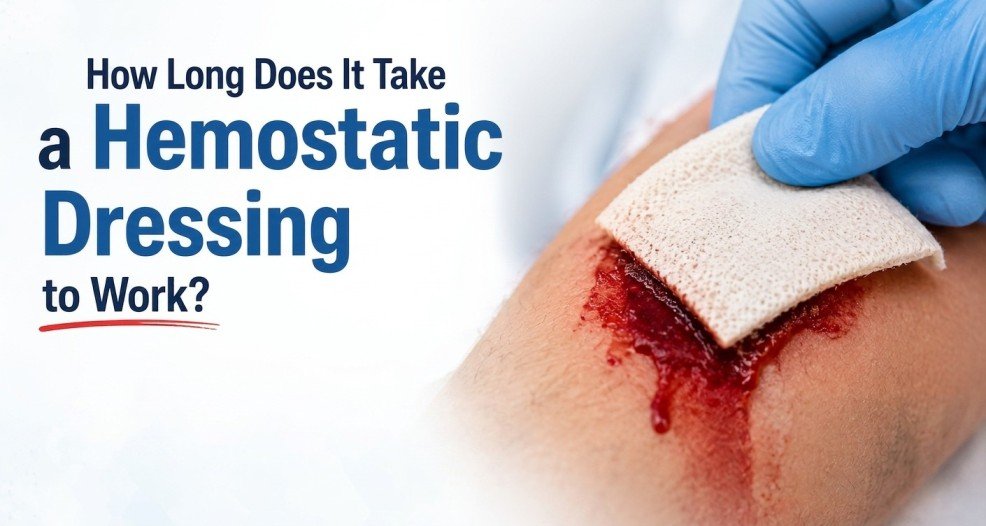
How Long Does It Take a Hemostatic Dressing to Work? In the case where a person experiences severe injuries resulting in profuse bleeding, time becomes critical. The more bleeding occurs, the higher the chances of suffering some problems as a result. For this reason, the use of hemostatic dressings is becoming vital in first aid cases, workplace kits, trauma kits, and emergency supplies. The frequently asked question is how much time it takes for a hemostatic dressing to work. Many factors influence the time taken for a hemostatic dressing to begin controlling the bleeding, but all things considered, the majority of modern hemostatic dressings will start acting within a couple of minutes. Axiostat is a simple and efficient solution for stopping severe bleeding. Factors That Affect Bleeding Control Time The severity of the injury The location of the wound The amount of blood loss The type of dressing being used. Proper application technique For smaller injuries, bleeding may be controlled very quickly. For deeper wounds or severe trauma, additional pressure and medical attention may still be necessary. The key advantage is that hemostatic dressings help speed up the body’s response when time is critical. What Helps a Hemostatic Dressing Work Faster? Several factors can influence how quickly a dressing controls bleeding. Proper Placement The dressing is supposed to be used on top of the source of bleeding. Wrapping up the wound with the dressing makes it work effectively. Firm Pressure Putting pressure on the dressing ensures that the dressing stays firmly on the wound and aids clot formation. Immediate Response Promptness plays a crucial role in addressing the bleeding. Being able to use the hemostatic dressing immediately will go a long way in emergencies. Why Hemostatic Dressings Work Quicker than Gauze Gauze dressings are essential in caring for wounds. However, the main purpose of regular gauze is to absorb the flow of blood and cover the wound. Hemostatic dressings, on the other hand, take it further by promoting blood clot formation. Regular Gauze           Used for absorption of blood flow           Covers the wound           Suitable for minor injuries           Does not assist in clot formation Hemostatic Dressing           Suppresses bleeding immediately           Promotes clot formation           Creates a barrier           Suitable for major injuries The Role of Chitosan in Hemostatic Dressings The majority of bleeding control devices in the market, which also include the product range of Axiostat, utilize the technology of chitosan. Chitosan is a biologically-derived substance that aids in attracting blood cells for the purpose of blood coagulation in the affected area, working without relying on the body’s normal blood coagulation mechanisms. Additionally, this substance forms a solid protective barrier around the wound. Some advantages of using chitosan-containing bandages include:           Effective bleeding control           High adhesive properties           Convenient usage           Biologically safe material           Convenient removal where applicable Such advancement in technology has made contemporary bleeding control devices much more efficient. When Should You Use a Hemostatic Dressing? A hemostatic dressing can be considered an appropriate solution in cases of profuse bleeding where a regular bandage would not be sufficient. The following list can serve as an indication of common situations:           Deep wounds           Medical cases at work           Injuries on construction sites           Injuries in outdoor conditions           Vehicle-related incidents           First aid in trauma cases These kinds of dressings prove to be indispensable; however, any severe injury requires immediate assistance from professionals. How Axiostat Enables Quick Bleeding Control We consider our products for bleeding control as a combination of simplicity and efficiency that enables fast reactions to emergencies. In addition to that, our solutions assist in quickly stopping bleeding. We pay special attention to research and development of biomaterial-based medical devices and systems used for improving bleeding control and wound care in emergency medicine, trauma medicine, hospitals, and military medicine. Conclusion So, how much time will it take for a hemostatic dressing to start working? In many instances, it can start working immediately to control the bleeding when used properly together with applying firm pressure. Although the time may differ according to the severity of injuries, hemostatic dressings are made to provide quicker results compared to ordinary dressings. If you would like to boost your emergency preparations, using hemostatic dressings can come in handy. With this type of dressing, you can control bleeding more effectively whenever it happens. Frequently Asked Questions (FAQs) How quickly does a hemostatic dressing work? The vast majority of hemostatic dressings are meant to start forming clots quickly once properly applied. Should I still apply pressure? Yes, pressure is an essential aspect of the procedure for controlling the bleeding and is needed for proper use of the dressing. Can I use a hemostatic dressing instead of medical aid? No, the hemostatic dressing will help control bleeding, but any injury needs qualified medical attention. Which is better, a hemostatic dressing or regular gauze? A hemostatic dressing will give you more help in controlling bleeding compared to regular gauze. Related Insights All Posts Blog How Long Does It Take a Hemostatic Dressing… How to Prepare for Injuries During Hiking How to Stop Severe Bleeding Before Paramedics Arrive? Get in touch today! We are happy to provide you with assistance and support regarding any inquiries or questions you may have. [email protected] (+91) 88607 86067 Axio Biosolutions Private Limited, Ahmedabad, Gujarat, India

How to Prepare for Injuries During Hiking

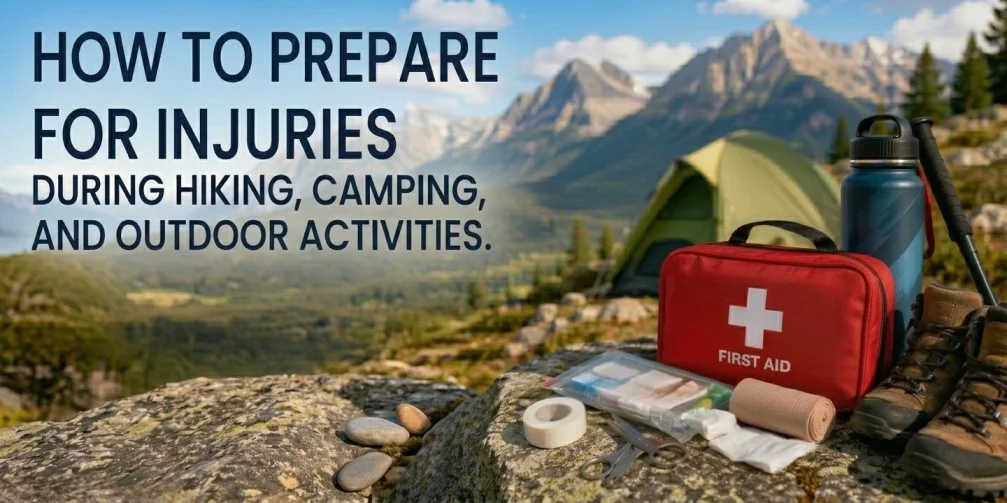
How to Prepare for Injuries During Hiking, Camping, and Outdoor Activities The pleasure of sitting down, enjoying the environment, keeping fit through hiking, taking part in family camping, or exploring unfamiliar areas – all outdoor experiences offer excitement in their own ways. However, there are always inherent risks involved in outdoor environments. You can, for example, fall over an uneven path during hiking; you can injure yourself cutting some meat in a camp; or you could end up getting hurt even taking a stroll. With Axiostat, we understand the importance of being ready for anything when engaging in outdoor activities. It is vital to know the kind of gear needed, especially if nobody is around to assist you when injuries occur. Why Injury Preparedness Matters Outdoors In contrast to accidents in cities or urban environments, outdoor accidents can be very remote from the aid required. Small injuries can turn into major problems if they are not dealt with immediately. When you are outdoors, you might find yourself facing:       Minor cuts and wounds       Skin abrasions       Sprains from falls       Burns from campfires or kitchen gear       Blood loss from wounds Planning gives you an edge when it comes to managing the situation. Pack a Well-Equipped First Aid Kit One of the easiest ways to prepare for outdoor injuries is to carry a first aid kit. Your outdoor first aid kit should include: Adhesive bandages Sterile gauze pads Antiseptic wipes Medical tape Tweezers Gloves Scissors Pain relief medication Emergency blanket Hemostatic dressing for severe bleeding When making a first aid kit, most people focus on minor cuts and abrasions; however, being prepared for major injuries that can cause excessive bleeding is equally necessary. The best thing about having a complete first aid kit is that you can better respond to injuries without developing complications. Learn the Basics of Bleeding Control Knowledge of how to act in case of an emergency situation cannot be compared in importance to the availability of appropriate supplies. The basics of bleeding control include: Restrain yourself and examine your wound carefully. Place direct pressure on the wound. Use a sterile dressing or gauze. Continue applying pressure until the bleeding stops. Get medical assistance if needed. In case of more complicated injuries, advanced bleeding control products such as hemostatic dressings can come in handy. Hemostatic dressings will enable you to stop bleeding rapidly and can become very helpful when travelling outdoors. Get Ready to Deal with Frequent Outdoor Wounds Not all injuries that occur outside necessarily involve massive blood loss. There are some wounds that one can handle easily with proper preparation. Built with Care for People and the Planet Axiostat is made by Axio Biosolutions, a company that values both innovation and ethics. Every product is made in ISO 13485 certified facilities. It uses biodegradable materials and is completely cruelty-free, supporting global efforts for a safer, cleaner world. Cuts and Abrasions Wash your wound and then use a clean bandage to wrap it so that you lower the chances of infection. Sprains and Strains Avoid further injuries by resting and reducing pressure from the wound. Having a compression bandage when going outdoors is quite useful. Burns Injuries that result from fire, campfires, hot cooking gear and machinery should be cooled using water and dressed appropriately. Blisters Blister formation can happen after long walks or trekking. Wear proper shoes and use blister plasters. Severe Cuts and Heavy Bleeding For injuries with significant bleeding, apply a hemostatic dressing to help control blood loss quickly and support clot formation until medical assistance is available.  Carry Emergency Supplies Beyond First Aid A first aid kit is important, but it should not be the only safety item you bring. Consider carrying: Extra drinking water Flashlight or headlamp Weather protection gear Communication device These items can help you stay safe if an injury delays your return or changes your plans. A Safer Outdoor Experience Starts with Preparation Enjoyment is expected after engaging in outdoor activities, but sometimes one needs to deal with injuries sustained during them. This essay provides you with useful information about how to act in case you have planned a hiking and camping trip over the weekend. You must know how to act because it makes one feel better. Proper use of safety gear, along with materials and knowledge of bleeding control, will help you feel safe when undertaking any outdoor activities. Frequently Asked Questions (FAQs) What items will I pack in my first aid kit when hiking? There need to be bandages, gauze, antiseptics, medical tapes, pain medications, gloves, and hemostatic dressings for any form of injury. Why is it necessary to learn how to control bleeding in the outdoors? The reason why it is vital is that there may be a lack of access to help once you have suffered injuries, hence the importance of controlling bleeding. Is there an application of hemostatic dressings when hiking or camping? Yes, since they are light, portable, and suitable for controlling bleeding cases during outdoor events. What are the most frequent injuries during hiking and camping? Common injuries include cuts, scrapes, blisters, sprains, burns, and falls   Related Insights All Posts Blog How to Prepare for Injuries During Hiking How to Stop Severe Bleeding Before Paramedics Arrive? Why Trauma Preparedness Is Growing Across India?  Get in touch today! We are happy to provide you with assistance and support regarding any inquiries or questions you may have. [email protected] (+91) 88607 86067 Axio Biosolutions Private Limited, Ahmedabad, Gujarat, India