What Are the 5 Ways to Control Bleeding During an Emergency?
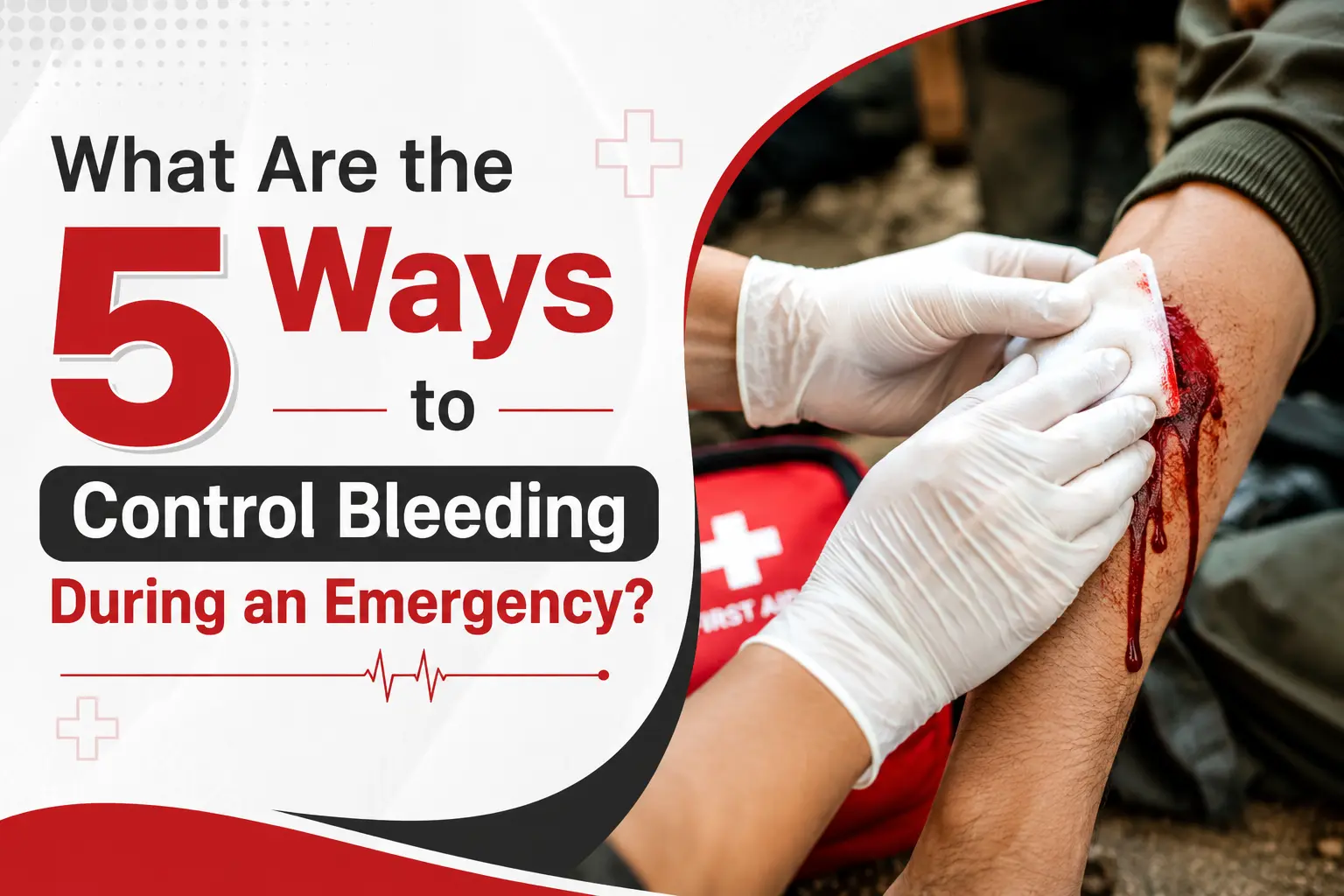
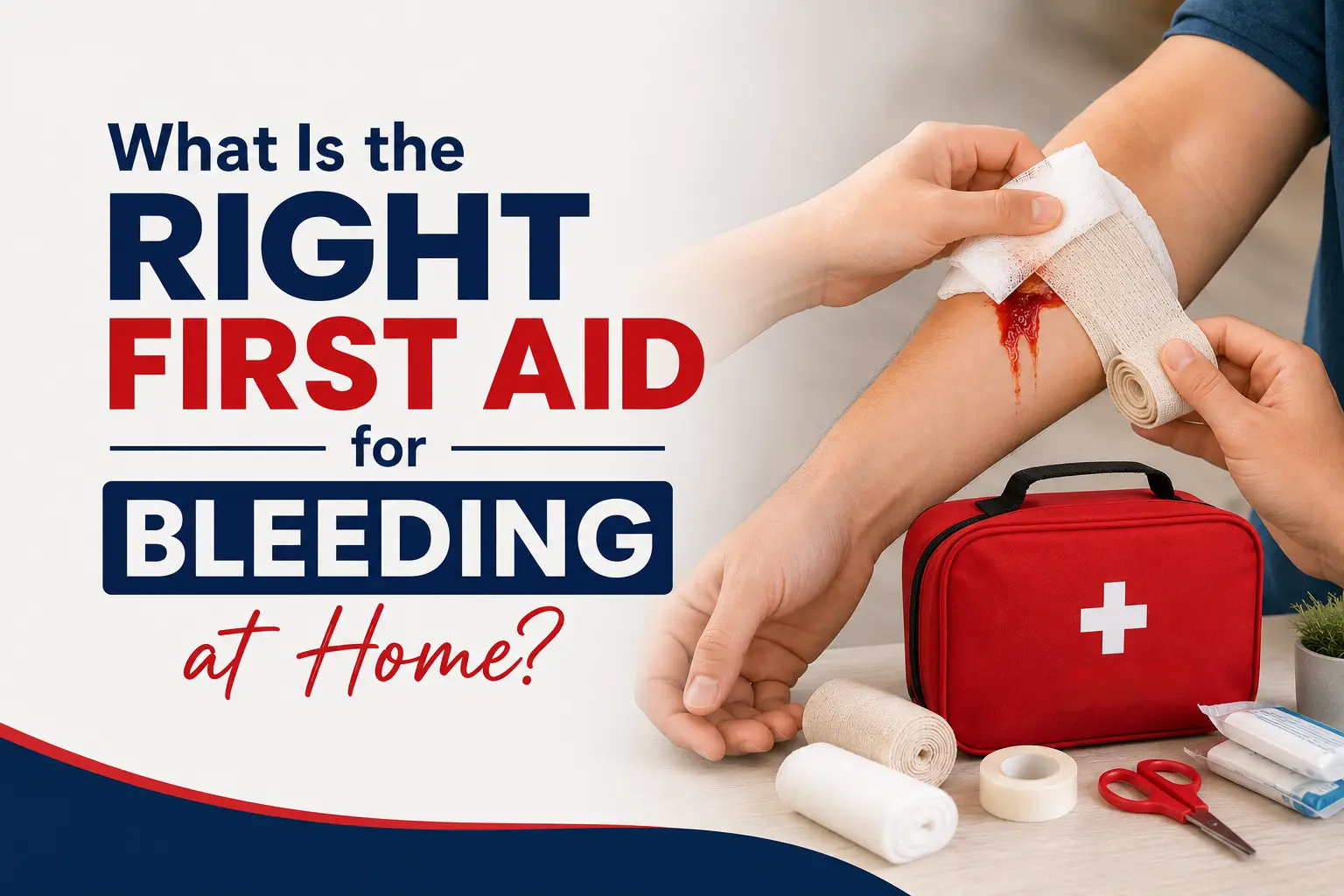
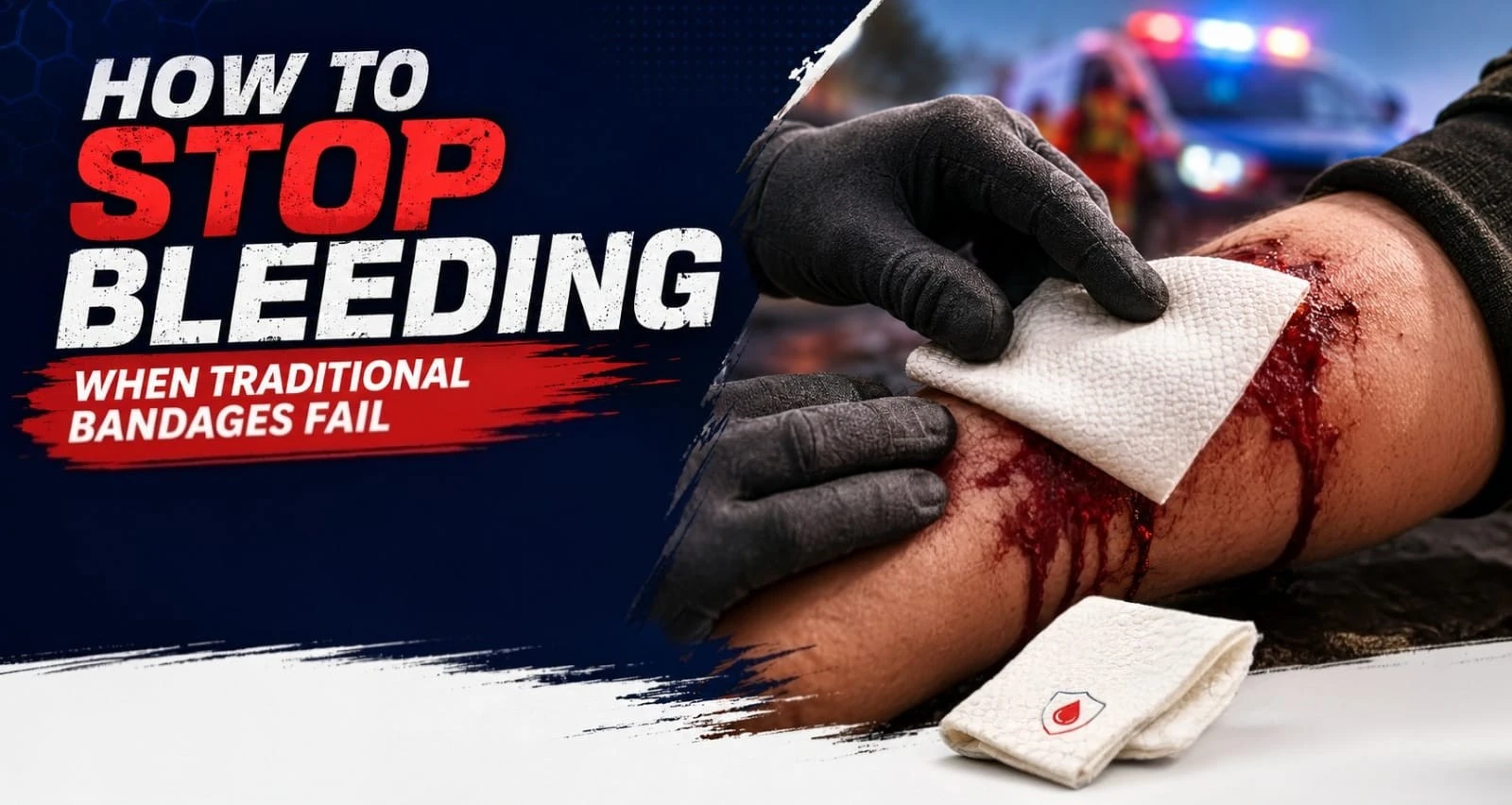
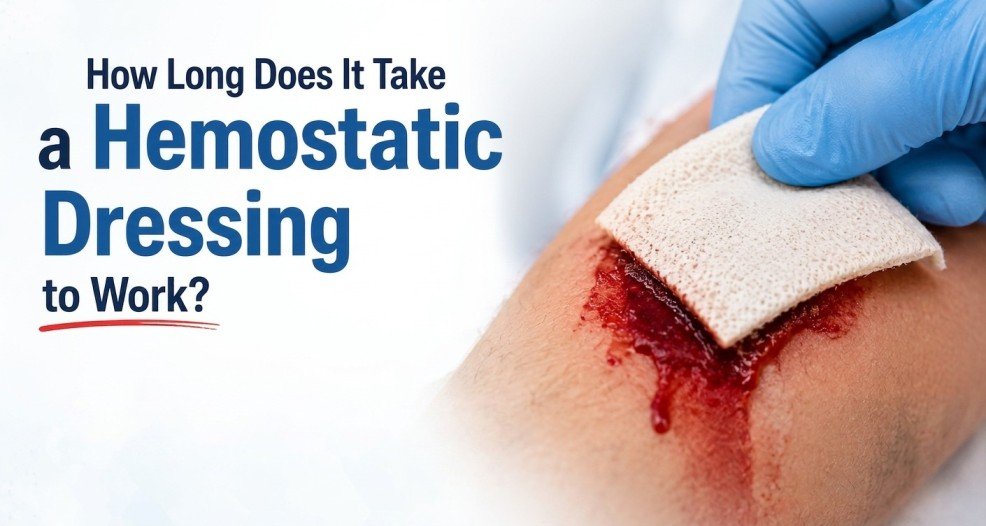
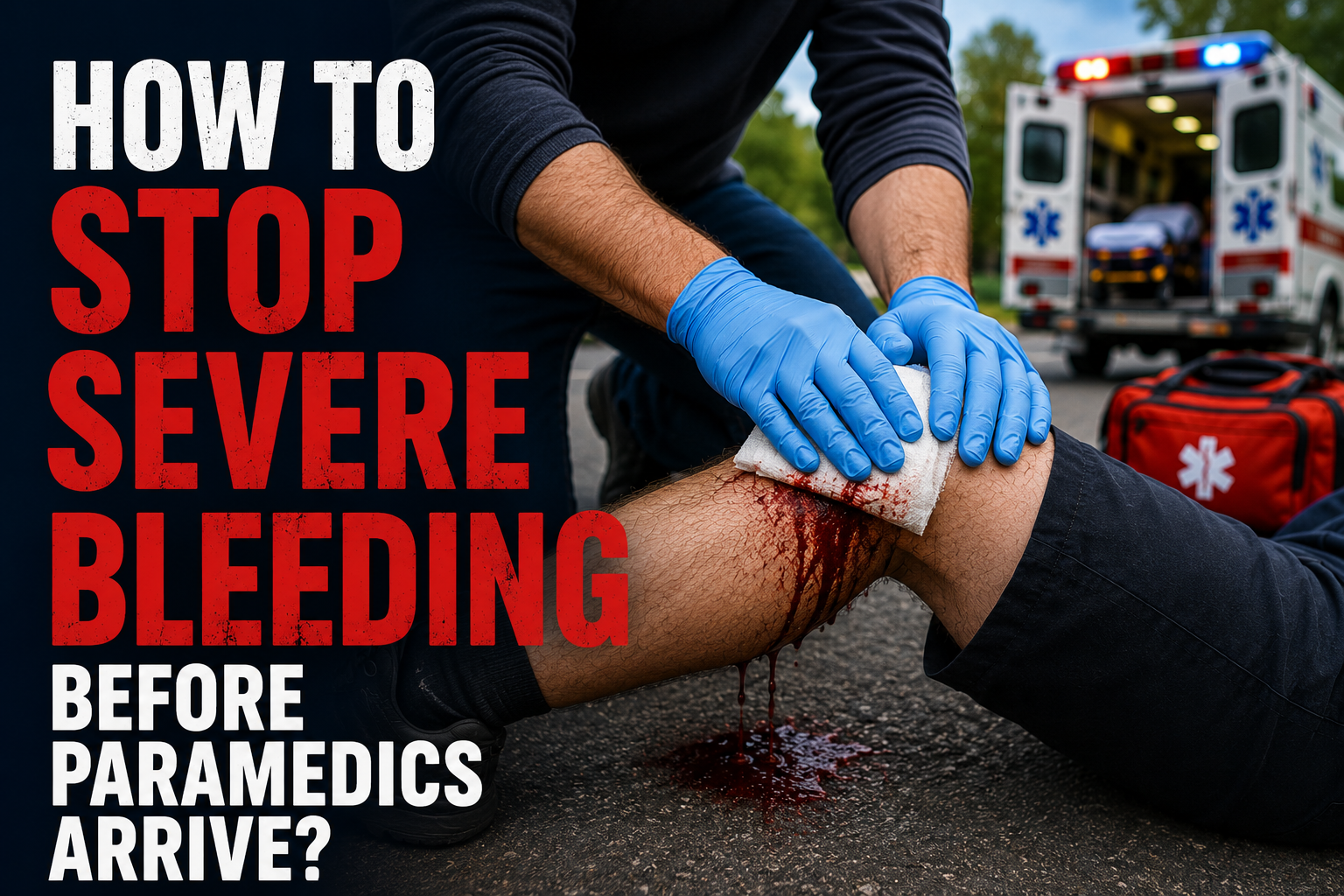
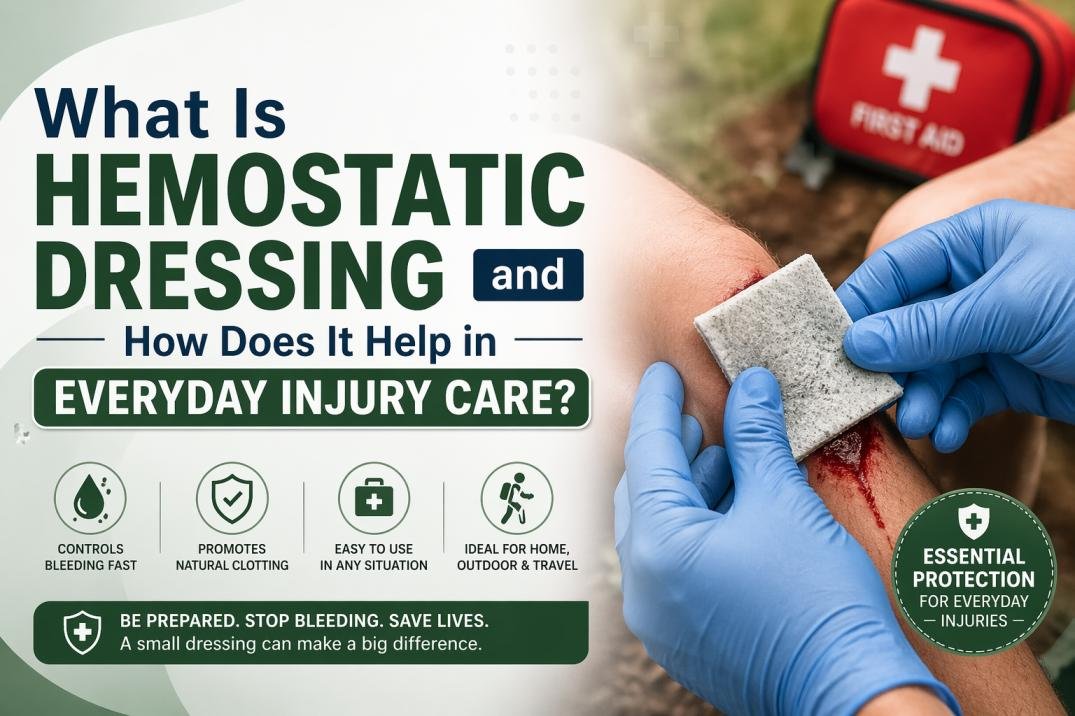
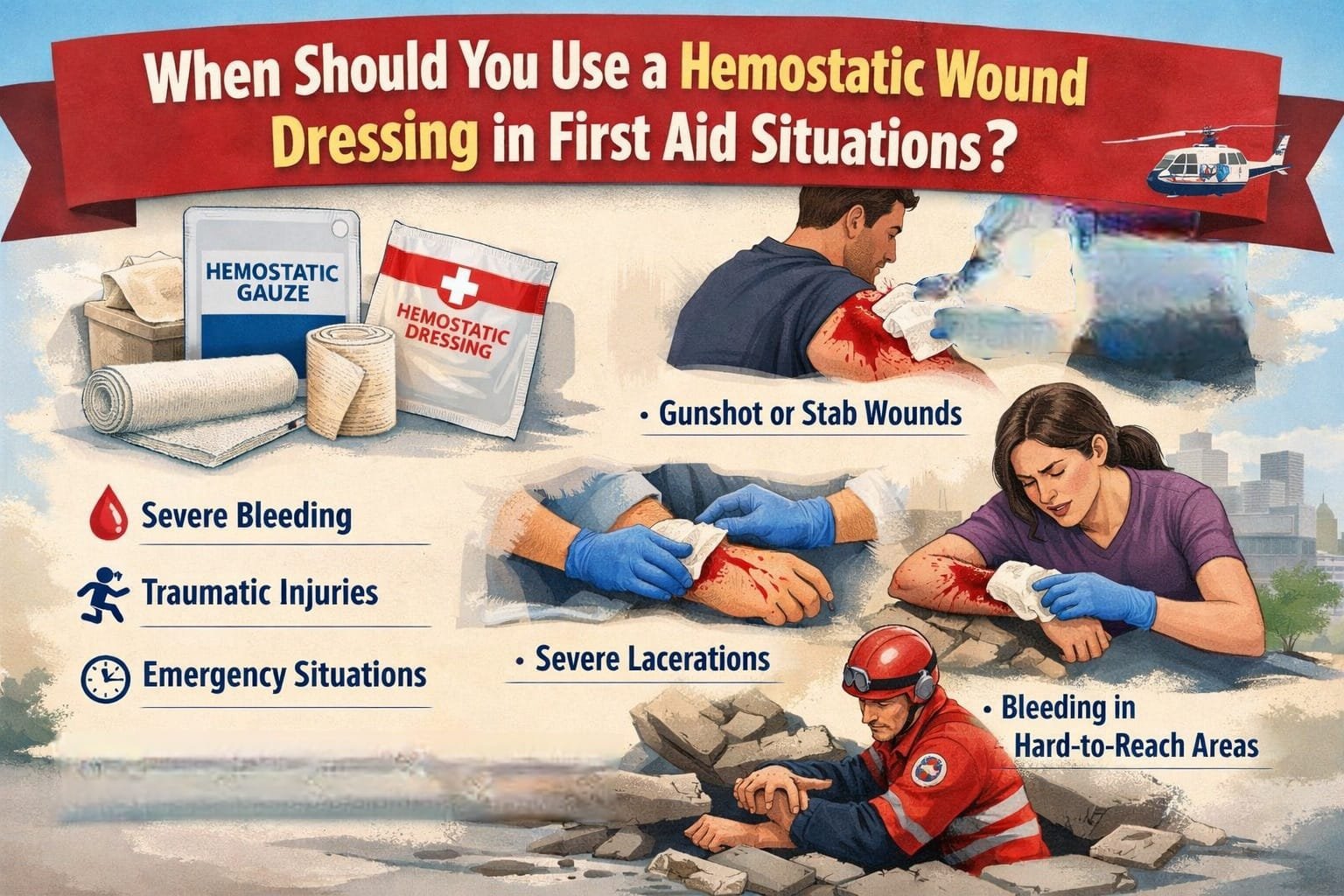
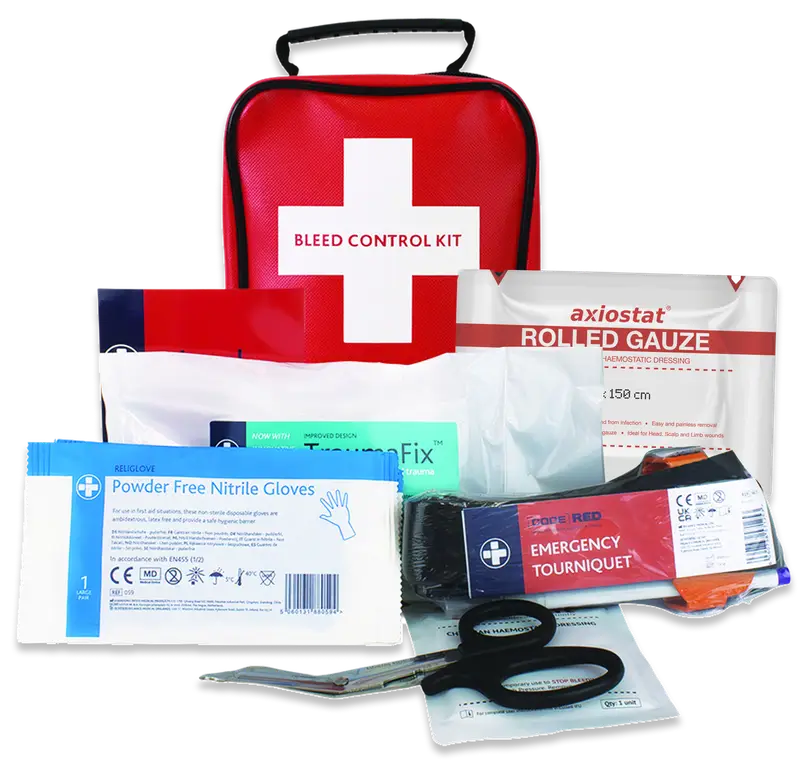
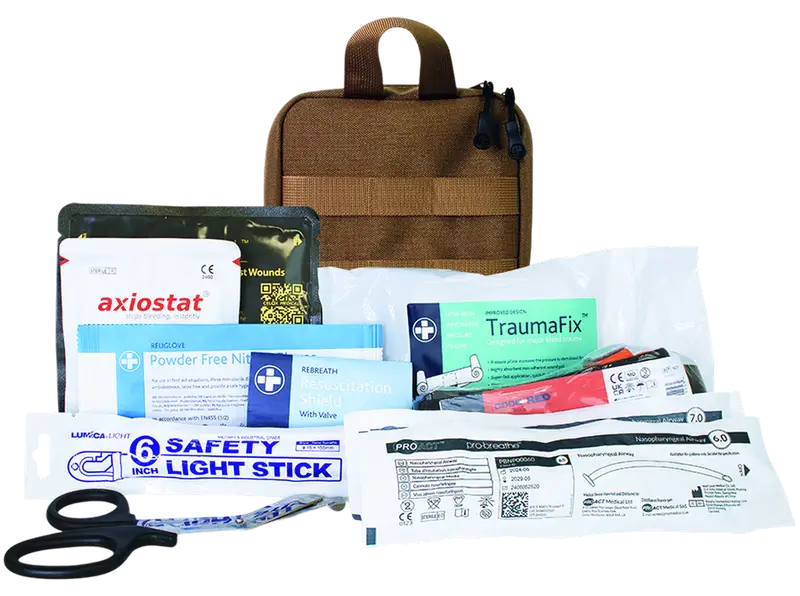
Bleeding Control: 5 Essential Steps to Manage Emergency Bleeding Bleeding control is the process of reducing or stopping blood loss following an injury. Effective bleeding control is essential in first aid and trauma management because severe blood loss can become life-threatening within minutes. Whether an injury occurs at home, at work, on the road, or during outdoor activities, knowing how to control bleeding can make a critical difference while emergency medical assistance is on the way. Important bleeding control techniques include applying direct pressure, packing suitable deep wounds, using appropriate hemostatic dressings, and applying a tourniquet for life-threatening limb bleeding when indicated. In this guide, we explain five essential actions for managing bleeding during an emergency, the role of specialized bleeding-control products, and how to prepare for unexpected injuries. What Is Bleeding Control in First Aid? Bleeding control refers to the first-aid techniques and medical products used to reduce or stop blood loss following an injury. The primary goal is to minimize blood loss and support the injured person until professional medical care is available. Minor cuts may be managed with simple pressure and wound care. However, severe external bleeding can require emergency intervention, including direct pressure, wound packing, or a tourniquet, depending on the injury. Specialized products such as hemostatic dressings may also help control bleeding when used appropriately. Understanding these methods is an important part of emergency preparedness for individuals, workplaces, healthcare settings, and first responders. Why Is Bleeding Control Important During Emergencies? Uncontrolled bleeding is a major cause of preventable death following traumatic injuries. When the body loses a significant amount of blood, vital organs may not receive enough oxygen to function properly. Severe blood loss can lead to hemorrhagic shock and other life-threatening complications. Effective emergency bleeding control can help: Reduce blood loss following an injury. Support the injured person while emergency help is arriving. Lower the risk of complications associated with severe hemorrhage. Improve readiness to respond to traumatic injuries. Recognizing severe bleeding and taking immediate action can be lifesaving. 5 Essential Steps for Bleeding Control During an Emergency The following five actions are important components of emergency bleeding management. They are not a rigid sequence: the appropriate technique depends on the location and severity of the injury, and several actions may need to happen simultaneously. 1. Recognize Severe Bleeding and Call Emergency Services The first priority is recognizing whether the bleeding is life-threatening. Warning signs may include: Blood flowing continuously or spurting from a wound. Blood pooling rapidly around the injured person. Clothing or dressings becoming heavily soaked with blood. A traumatic amputation or major injury. Signs of shock, such as pale skin, confusion, weakness, or reduced responsiveness. Call emergency services immediately when severe bleeding is suspected. Do not delay bleeding-control measures while waiting for help. Ensure the surrounding area is safe and use protective gloves if they are readily available. 2. Apply Firm, Direct Pressure to the Wound Direct pressure is one of the most important and effective methods for controlling external bleeding. Place sterile gauze, a clean dressing, or a clean cloth directly over the bleeding wound and apply firm, continuous pressure. Avoid repeatedly lifting the dressing to check whether bleeding has stopped, as this can disrupt clot formation. Continue applying pressure while awaiting medical assistance or until another appropriate bleeding-control measure is in place. For life-threatening bleeding from an arm or leg, a tourniquet may be indicated promptly rather than relying on prolonged direct pressure alone. 3. Use a Hemostatic Dressing When Appropriate A hemostatic dressing is a specialized wound dressing designed to support bleeding control. Unlike conventional gauze, which primarily provides a surface for pressure and blood absorption, hemostatic dressings contain materials that help support hemostasis. Different products use different technologies, including chitosan-based and kaolin-based materials. Hemostatic dressings may be useful for certain severe external bleeding injuries, particularly where direct pressure and wound packing are appropriate. Axiostat develops chitosan-based hemostatic products designed for bleeding management in emergency and trauma-care settings. Learn more about when to use a hemostatic wound dressing in first aid. Always follow the specific product’s approved instructions for use and applicable first-aid guidance. 4. Pack Suitable Deep Wounds to Help Control Bleeding For certain deep wounds, particularly in areas where a tourniquet cannot be applied, wound packing may be an important bleeding-control technique. Wound packing involves placing appropriate gauze into a suitable wound and applying sustained direct pressure to control external bleeding. Hemostatic gauze may be recommended in some emergency-response protocols. Because wound packing requires proper technique, individuals should receive appropriate first-aid or trauma-response training before attempting it. Do not pack wounds in the chest or abdomen. For additional information about selecting a suitable dressing, read our guide on choosing the right hemostatic gauze for trauma management. 5. Apply a Tourniquet for Life-Threatening Limb Bleeding When Indicated A commercial tourniquet can be lifesaving in cases of severe external bleeding from an arm or leg. It is especially important when bleeding is life-threatening or cannot be controlled adequately through direct pressure. A tourniquet should be applied according to recognized first-aid guidance and the manufacturer’s instructions. Once correctly applied, it should not be loosened or removed by an untrained responder. Tourniquets are intended for limb injuries and should not be used on the neck or torso. When severe limb bleeding warrants a tourniquet, apply it promptly rather than treating it as an option that must come after wound packing or hemostatic gauze. Emergency medical assessment remains essential even if the bleeding appears controlled. What Is the Difference Between Regular Gauze and Hemostatic Gauze? Both regular gauze and hemostatic gauze can play important roles in emergency wound management, but they work differently. Regular Gauze Conventional gauze is primarily designed to absorb blood, cover wounds, and support direct pressure. It is commonly used for minor injuries and as part of emergency bleeding-control techniques. Hemostatic Gauze Hemostatic gauze contains specialized materials intended to support the body’s bleeding-control process. Depending on the product, these materials may promote clot formation or support other … Read more